How to Commission a Custom Garden Sculpture That Complements Your Landscape
A custom garden sculpture is the finishing move of a well-designed landscape: the one element that gives a garden identity, draws the eye to a view, or turns a quiet corner into a destination, and unlike plants it holds its form through every season. Yet the same qualities that make garden sculpture rewarding also make it easy to get wrong. A piece chosen without regard for scale, material or sightlines can fight the planting instead of completing it. From my years of placing sculpture in private gardens, hotel grounds and designed landscapes, the commissions that succeed are the ones where the sculpture was treated as part of the landscape design from the beginning, not added as an afterthought.
This guide covers how to brief a custom garden sculpture, choose the right material, judge scale and placement, and work with a studio that delivers the piece and installs it properly.
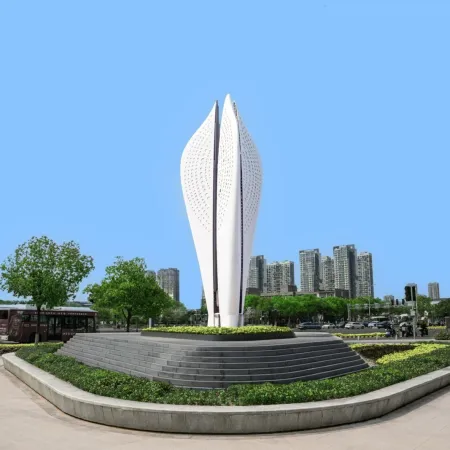
Our project archive shows garden and landscape commissions in their settings, the services overview explains our full delivery model, and the Peach Blossom gateway demonstrates how a sculptural form can anchor an outdoor landscape.
Start With the Garden, Not the Sculpture
The most common mistake in garden sculpture is starting from an image the client loves and forcing it into a space where it does not belong. A successful custom garden sculpture begins with questions about the garden itself: Where do people stand, sit and walk? What views does the garden offer, and which one deserves an anchor? What mood should the space carry, from formal and serene to playful and wild? How will the planting change through the year, and what will the sculpture look like against summer green, autumn colour and winter bareness? When the sculpture is designed for answers to these questions, it earns its place. A studio with landscape experience will ask them before showing you any form, and the design that emerges will feel inevitable, as if the garden had been waiting for it.
Scale and Placement: The Invisible Decisions
Scale is the decision that most often defeats garden sculpture. In a showroom a sculpture looks one size; in a large garden it can shrink to insignificance, while in a courtyard it can overwhelm. The right scale relates the piece to its viewing distance, the surrounding trees and the architecture behind it. Placement is equally important: a sculpture seen against dense planting reads differently from one framed by an opening; a piece beside a path invites a different relationship than one across a lawn. Good studios model the sculpture in situ during the design stage, using scaled visuals or on-site markers, so you can judge the size and position before committing to fabrication. We treat scale and placement as design decisions to be tested, not assumptions to be hoped for.
Choosing the Right Material for Garden Life
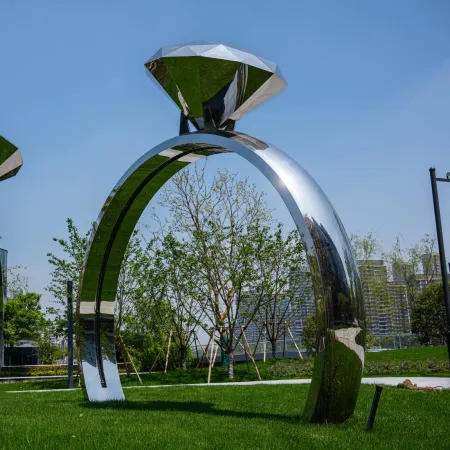
Garden sculpture lives outdoors year-round, so material choice must balance beauty with honest durability. Bronze weathers gracefully and suits formal and figurative work. Stainless steel brings a contemporary mirror or satin finish that plays with light among greenery. Weathering steel develops a rich rust tone that echoes autumn colour. Stone and cast stone carry mass and permanence for classical settings. Painted composite and fiberglass allow vivid colour and lighter forms for playful gardens. Each material has a maintenance profile: bronze needs periodic re-waxing, stainless can be cleaned to restore its finish, painted pieces may need recoating after many years. A responsible studio will be honest about what each choice demands in your climate, because the sculpture should bring pleasure, not a maintenance burden.
| Material | Garden Character | Consideration |
|---|---|---|
| Bronze | Classical, figurative, timeless | Periodic re-waxing of the patina |
| Stainless steel | Contemporary, reflective, abstract | Cleaning restores the finish |
| Weathering steel | Natural rust, sculptural, bold | Rust runoff near paving and pools |
| Composite and painted | Colourful, playful, lightweight | UV-stable finish is essential |
Working With a Studio on the Design
A custom garden sculpture deserves a design process with clear stages. It begins with a conversation about the garden, the client's taste and the role the piece should play, then moves to concept proposals, then to a refined design with scale, material and finish confirmed. For many commissions a physical maquette or a 3D visualisation helps the client judge the form before fabrication. The studio should be willing to discuss how the sculpture will look at different times of day, in different seasons, and from the windows and paths that frame it. Throughout the design stage, the client should feel heard: the best garden sculpture is a collaboration, not a studio imposing its style on a landscape, and the studios that listen well produce pieces that feel personal to the garden and the people who live with them.
Foundation and Installation in a Living Garden
Installing sculpture in an established garden requires care that a simple hardscape project does not. The foundation must be engineered for the piece and the ground conditions, but it must also be installed with minimal disturbance to trees, roots, irrigation and planting. The studio should plan the access route for equipment, protect the surfaces it crosses and restore the garden after the work is complete. A sculpture that arrives beautifully made but damages the garden during installation has failed its brief. Professional studios manage this by coordinating the foundation, delivery and erection with the landscape team, and by leaving the site exactly as it should be, with the new sculpture as the only change. When you commission a custom garden sculpture, ask how the studio protects the garden during installation; the answer tells you whether it understands the setting as well as the art.
Questions to Ask Before Commissioning
How will the piece read in winter when planting is bare?
What does the material demand in my climate?
How will installation protect established trees and roots?
Can we test the scale and position before fabrication?
Sculpture That Adds Water, Light and Sound to the Garden
Some of the most magical garden commissions go beyond a single static form to engage the senses through water, light or sound. A sculptural fountain can give a garden a voice, its sound masking traffic and drawing birds; a piece with integrated lighting becomes a lantern after dusk, extending the garden's life into the evening; a wind-activated element brings movement and a changing presence that rewards repeat visits. These sensory layers transform a garden from a place that is seen into a place that is felt, and they are increasingly popular with clients who want their outdoor space to work as hard at night as it does by day.
Sensory features add engineering and maintenance that a purely visual sculpture avoids, and they should be planned from the start. Water features require pumps, filtration and winterisation in cold climates; lighting needs weatherproof fittings and serviceable access; moving elements need bearings and mechanisms designed for outdoor life. A responsible studio will be honest about what each feature demands, because a fountain that cannot be winterised or a light that cannot be serviced becomes a burden rather than a delight. We design these systems with the client's maintenance capacity in mind, specifying robust components and providing clear guidance, so the garden sculpture continues to delight season after season without becoming a source of worry.
Frequently Asked Questions About Custom Garden Sculpture
What is the best material for a sculpture that stays outdoors year-round?
Bronze, stainless steel and weathering steel all perform well outdoors, each with a different visual character. Painted composite suits colourful and lightweight forms. The right choice balances the garden's style, your maintenance preference and the local climate.
How do I choose the right size for my garden?
Size should relate to viewing distance and the scale of surrounding elements. A studio can model the sculpture in situ or place on-site markers so you judge the actual presence before committing. Smaller gardens often suit a piece scaled to a specific path or seating area.
Can you design a sculpture around a theme or personal meaning?
Yes. The most rewarding garden commissions are often deeply personal, honouring a family story, a shared interest or a love of a particular form. The design process translates that meaning into an artwork that speaks to the people who know the story.
Will the sculpture need much maintenance?
Each material has a modest maintenance profile, from occasional cleaning to periodic re-waxing of bronze. Your studio should provide a clear care guide so you know exactly what is needed and how often, and should choose the finish system appropriate to your climate.
Can the sculpture include water or lighting features?
Yes. Fountains, water channels and integrated lighting can transform a garden sculpture, especially at night. These systems require additional engineering and servicing, so they should be designed and specified carefully with clear guidance for maintenance.
A custom garden sculpture succeeds when it is designed for the garden as much as for the client: scaled to its views, chosen in a material that suits the climate, and installed with respect for the living landscape around it. Our studio has designed and delivered custom garden sculpture and landscape commissions since 2003, working across twenty-three countries with a design process that tests scale, material and placement before fabrication begins. We bring the same care to a private courtyard and a large resort garden, because every setting deserves a piece that feels inevitable.
Tell us about your garden, the feeling you want it to carry and the view you want to anchor, and we will show you how a custom garden sculpture can complete the space you have designed.