How Public Art Light Installation Commands the Night
A public art light installation works in a medium that disappears with the dawn and returns with the dusk, and that daily resurrection gives it a power unlike any permanent material. The works that command the night transform the hours after dark into a stage, drawing people out and giving a place a presence that daylight never sees.
This guide explains what public art light installation can achieve, how light works are conceived and engineered, and what clients should understand before commissioning art that lives in the dark.
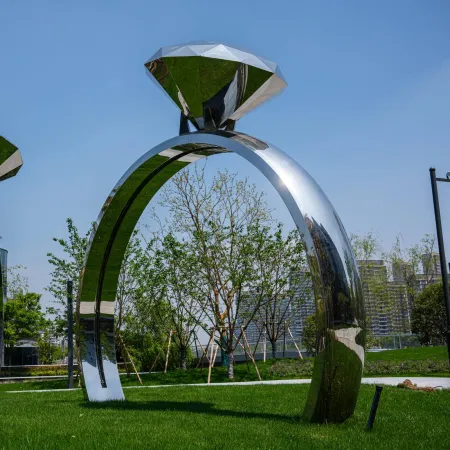
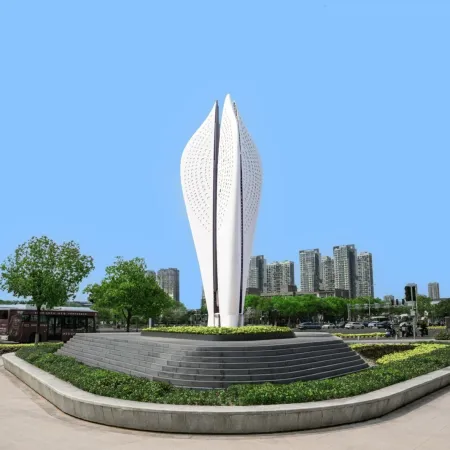
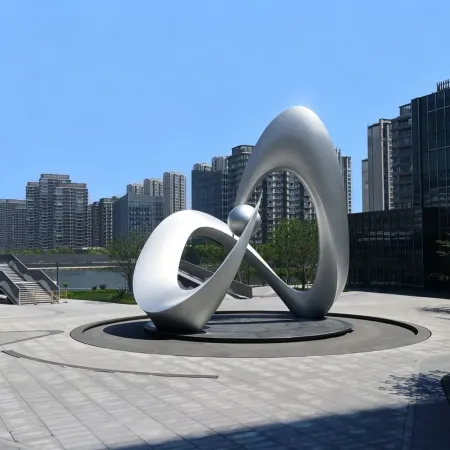
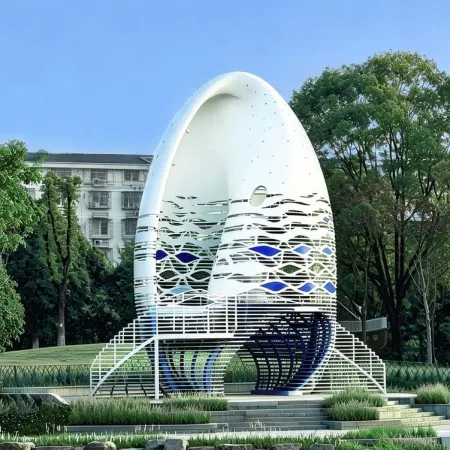
See light and form composed together at Artistic Light Columns, The Radiant Galaxy and Bubble Fish.
What Light Alone Can Do
A public art light installation works with qualities that solid sculpture cannot touch, and understanding those qualities is the first step to commissioning one. Light can change, and its changes can be timed: a work can breathe, cycle through colour, respond to the presence of passers or tell a story across the evening, creating a performance that repeats with variations night after night. Light can also be immaterial, filling a space with radiance that has no surface, drawing people into an atmosphere rather than around an object, and it can make the familiar strange, transforming a known building, tree or street into something never seen before.
The practical power of light is equally distinctive. A light installation is visible from far greater distances than a sculpture of similar budget, because radiance travels through the dark in a way that reflected light cannot; it can be experienced by crowds simultaneously, since it does not need to be approached to be enjoyed; and it can be changed, updated or removed with a flexibility that no permanent material allows. For cities seeking to animate a district, for events seeking to create a moment and for developers seeking to give a place a night identity, public art light installation offers a reach and a mutability that sculpture alone cannot match.
Light as a Material, Designed Deliberately
The finest public art light installation projects treat light as a material to be shaped with the same deliberation as steel or stone, rather than as an effect to be added to something else. The design should begin with the question of what the light should do in the space, how it should meet the darkness, the architecture and the people, and the form, whether physical or immaterial, should be developed to carry that intention. Colour, intensity, direction, movement and timing are the vocabulary of the medium, and a studio that works in light knows how to compose with them as a painter composes with pigment.
The discipline of light design is also a discipline of restraint, because the most magical light works are often those that do least. A single colour chosen with precision, a movement slow enough to be felt rather than seen, a composition that leaves most of the night dark so that the light can speak, these are the marks of a confident designer, while the work that throws every effect at the sky achieves spectacle without meaning. The client should look for a studio whose light works reward the long look, whose installations have a presence that outlasts the first novelty, and whose designers understand that in light, as in all art, what is left out is as important as what is shown.
The Engineering of Public Light
Public art light installation is engineering as much as art, because light that must live outdoors among the public demands systems built to a public standard. The electrical installation must be designed and executed to the codes for public outdoor exposure, with the cabling protected, the connections sealed and the access for maintenance planned; the fixtures must be chosen for their environment, whether that means marine-grade resistance by the sea or robust construction in a busy plaza; and the control system must be reliable, because a light work that cannot be trusted to perform will not be kept running by the teams who inherit it.
The engineering conversation should also cover the practical life of the work. Ask what the installation will cost to run, because light consumes energy and the budget must carry the years as well as the making; ask how the fixtures will be maintained and replaced, because lamps and electronics have finite lives; and ask how the system can be serviced by the local teams who will inherit it, because a work that depends on proprietary systems and distant specialists can become an orphan. The public art light installation that endures is the one whose engineering was designed for the decades of nights it will serve, and that design begins with honest answers to these questions.
| Design question | Why it matters | What it decides |
|---|---|---|
| Purpose | The light must do something in the place | The whole form of the work |
| Darkness | Light needs darkness to speak | Placement within the night scene |
| Reliability | A broken light work is a dead promise | Fixtures, controls and access |
| Running cost | Energy bills arrive every month | Efficient and controllable systems |
| Maintenance | Light works need care through life | Servicing by the local team |
Permanent, Temporary and Everything Between
Public art light installation spans a spectrum from permanent installations built to last decades to temporary works that transform a place for a season, and the choice between them shapes the design and the budget. Permanent light works, integrated into a building, a bridge or a landscape, become part of the place's identity, but they demand the full engineering of public outdoor systems and the commitment of permanent maintenance. Temporary works, created for a festival, a season or an event, can be bolder and more experimental, since their life is short, and they give cities a way to test ideas and animate places without the permanence of a fixed commission.
Many of the strongest night strategies combine both. A permanent installation gives a district a constant identity after dark, while temporary programmes keep it feeling alive, drawing visitors for a season and testing works that may later become permanent; and the two together create a nightlife that neither could achieve alone. The client should consider what its place needs: a permanent signature, a seasonal event or a programme that uses both, and should choose a studio that can work across the spectrum. The light works that transform a district's nights are those whose permanence and temporality are composed together with intent.
Light and the Life of the Night
A public art light installation does not exist in a vacuum of darkness; it enters the complex life of the night, and its design must consider the whole scene. The work will be seen against the lighting of streets, buildings and signs, and it must hold its own within that field of light rather than disappearing into it or fighting it; it will be experienced by people moving through the night, and it should compose with the paths, the gathering places and the rhythms of evening life; and it must respect the neighbours, because light that is glorious to one audience can be intrusive to another, and the design should consider where the light falls and whom it disturbs.
The night also offers opportunities that the day cannot. A light work can be seen by far more people than a daytime sculpture, since the night is when the city gathers after work; it can extend the hours of a district's life, giving the evening economy a reason for people to stay; and it can make a place feel safe and welcoming, since well-designed light draws people and the presence of people makes places safer. The client who commissions public art light installation is investing in the whole night economy of a place, and the work that is designed with the night's full life in view will serve that economy for years.
What Light Gives a Place
A presence that returns with every dusk
Reach that travels through the dark
A stage for the night's gatherings
An identity that extends the day
Commissioning a Work in Light
Commissioning a public art light installation begins with a studio that understands both the art and the engineering of light, because the medium rewards those who have lived with its realities. Look for a studio with installed light works that have survived their nights, and ask about the fixtures, the controls and the maintenance of those works, because the reliability of light art is revealed in its long evenings rather than its opening night. The brief should describe the experience the client wants the night to offer, the character of the place after dark and the life the work should serve, and should leave the medium's possibilities to the studio's imagination.
The commission should also plan for the work's life across the years of nights it will serve. The budget should carry the energy and the maintenance as well as the making; the control of the work should be handed to the local team with training and documentation; and the design should anticipate the evolution of the place, since a light work can be adapted as the district changes in a way that sculpture cannot. Our studio has delivered public art light installation across more than twenty countries since 2003, and the works that still command their nights are those whose art was matched by engineering, whose magic was designed for maintenance and whose owners understood that a work of light is a promise renewed with every dusk.
Frequently Asked Questions About Public Art Light Installation
How much does a light installation cost to run?
Modern light systems are efficient, but energy is a real ongoing cost. The design should favour efficient fixtures and smart control, and the budget should carry the running years.
Can a light work be permanent outdoors?
Yes, when engineered to the standards for public outdoor exposure, with weatherproof fixtures, protected cabling and a maintenance plan. Permanent light works become part of a place's night identity.
What makes a light work reliable?
Fixtures chosen for the environment, robust control systems and maintenance that local teams can perform. Reliability is the result of engineering discipline, not luck.
Should light be added to an existing sculpture?
Only with care and good design. The finest light works are conceived with light as a material from the start, while poorly added lighting can flatten a sculpture rather than enhance it.
How do light works affect neighbours?
Light spill and glare must be designed with respect for surrounding buildings and residents. The design should consider where the light falls and control it through aiming, shielding and scheduling.
A public art light installation is a promise that the night will be different, a work that disappears with the dawn and returns with the dusk to command its place after dark. Commission it with a studio that has mastered both the art and the engineering of light, design it with restraint and purpose, engineer it for reliability and maintenance, and budget for the years of evenings it will serve. The light works that define their cities at night are those whose magic was built to endure, and a public art light installation conceived with that care will renew its gift to your place with every setting sun.
Choose a public art light installation designed for your night, and your place will be transformed when the sun goes down.