How Outdoor Public Art Installation Is Engineered for the Elements
Outdoor public art installation is a contract with the weather, because a work that stands in the open air must survive sun, rain, frost, wind and the passage of years without losing the qualities that made it worth commissioning. The works that endure are those whose materials, structure and finishes were chosen for outdoor life from the very first sketch.
This guide explains how outdoor public art installation is engineered for the elements, which materials and finishes survive real climates, and what clients should understand before commissioning work that will live entirely outdoors.
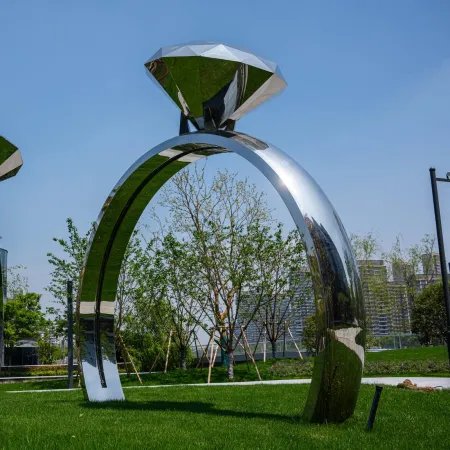
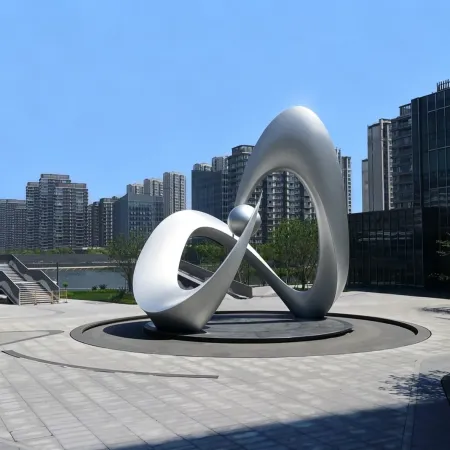
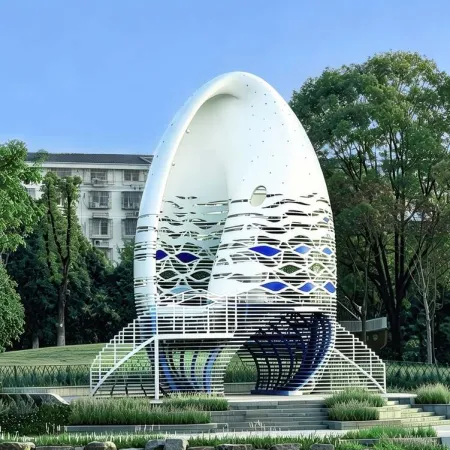
See works built for outdoor life at Wisdom Tree, Butterfly Dance and Zhong Gong Water Control.
The Climate Is a Co-Designer
Every outdoor public art installation lives in a specific climate, and that climate should be treated as a co-designer whose demands are non-negotiable. A coastal site brings salt and humidity that attack metals and finishes; a cold climate brings freezing and thawing that find every pocket of trapped water; a hot, sunny climate brings ultraviolet light and thermal expansion that fade colours and stress joints; and an urban site brings pollution and the wear of dense public life. The studio must know the climate of the site before it chooses a material, because the same sculpture that thrives by a lake may fail by the sea.
The client should hear the climate conversation early and clearly. A responsible studio will ask where the work will stand, what the local weather brings and how the site is maintained, and it will adjust its recommendations accordingly, explaining why one grade of stainless steel is chosen over another, why a particular finish will not survive the site or why the design must shed water rather than trap it. If a studio quotes the same materials for every site without asking about the climate, it is designing for a photograph rather than for the work's real life, and the outdoor installation will pay for that omission with its years.
Choosing Materials That Endure
The material palette for outdoor public art installation is narrower than for indoor work, and the choice within it is decisive. Stainless steel leads the field for its corrosion resistance and its range of finishes, but the grade matters: the standard grades serve inland sites well, while coastal and de-iced sites demand grades with higher resistance to chloride attack. Weathering steel offers a rust patina that stabilises and protects the metal, but its runoff must be managed near paving and water; bronze is noble outdoors, developing a patina that many clients love, though its colour changes with the years; and painted steel depends entirely on the quality of its coating system.
The client should understand the trade-offs honestly. A mirror-polished stainless work is stunning when new and forgiving when maintained, but it shows every mark in busy public sites; a painted work offers full colour but will need recoating within a predictable cycle; a bronze work changes colour as it weathers, which delights some owners and surprises others. The studio should present these trade-offs plainly and recommend the material that matches the client's appetite for maintenance and their vision for how the work should age. The right material is not the most expensive or the most fashionable; it is the one whose behaviour the client can live with happily for decades.
Structure, Wind and the Public Ground
An outdoor public art installation must be engineered not only to stand but to stand against the wind, and the structure must be calculated for the exposure of its actual site. Tall and open-form works catch the wind and must be designed for the loads that result; works on exposed plazas and waterfronts face forces that sheltered sites never meet; and the foundation must be sized for the real ground, carrying the work's weight and resisting the overturning that wind can cause. These calculations belong to qualified engineers, and the reports should be shared with the client and the site's insurers, because a public work that fails in a storm is not an aesthetic accident but an engineering failure.
The public ground also makes demands that indoor work never meets. The work must tolerate the contact of a busy public, from leaning and touching to the occasional harder impact, and the design should absorb that life without damage. Drainage must be designed so that water never pools where it can freeze and split a joint; access for maintenance must be planned so that the work can be cleaned and inspected through its life; and the fixings and connections must be protected against the corrosion that attacks every unprotected junction. The studio that designs for the public ground as well as the public eye is the studio whose outdoor works stay sound for decades.
| Climatic demand | How the design answers | Material response |
|---|---|---|
| Coastal salt | Grade selection and sealed joints | Higher-resistance stainless grades |
| Freeze and thaw | Drainage that sheds trapped water | Frost-tolerant stones and sealants |
| Strong sun | UV-stable finishes and thermal joints | Stable pigments and expansion detail |
| Storm wind | Structural calculation and foundations | Engineered cores and anchoring |
| Public wear | Robust surfaces and cleanable detail | Durable and repairable finishes |
Finishes That Keep Their Promise
The finish of an outdoor public art installation is its skin, and the skin must be chosen for the life the work will lead. A protective coating on painted steel must be a complete system, from the preparation of the surface to the final topcoat, applied under controlled conditions and specified for outdoor durability, because a paint job is only as good as its weakest layer. A patina on bronze or a passivation on stainless steel must be chosen for the climate and the look the client wants to keep, and the studio should explain how the finish will age so that the client is not surprised when the work changes with the weather.
Maintenance is the partner of every finish, and the client should know the care the work will need before commissioning it. Some finishes ask almost nothing for years; others need a cleaning regime, a recoating cycle or a periodic inspection to stay at their best, and the honest studio presents this schedule with the quotation. The design should make that care possible, with surfaces that can be reached, details that can be cleaned and components that can be replaced, because a finish that cannot be maintained is a finish that will fail. An outdoor work that is specified with its maintenance is a work that will still look as its designer intended in its twentieth year.
Lighting, Night and the Outdoor Stage
An outdoor public art installation lives in the dark as much as in the light, and lighting should be designed as part of the work rather than added as an afterthought. Good outdoor lighting reveals the form against the night, creates a presence that extends the work's hours of influence and turns the sculpture into a beacon for the district after dusk, while poor lighting flattens the form, casts harsh shadows or leaves the work invisible in the hours when it could serve the night. The lighting plan should be developed with the design, considering the viewpoints, the surroundings and the maintenance of the fixtures.
The practical engineering of outdoor lighting deserves the same care as the aesthetic. The electrical installation must meet the standards for public outdoor exposure, with the cabling protected, the connections weatherproof and the access for maintenance planned, and the energy use and running cost should be considered in the choice of the system. The client should ask how the lighting will be controlled, who will maintain it and what it will cost to run, because a beautifully lit work whose lights fail and stay failed is a work diminished every night. The outdoor stage is unforgiving, and the works that command it are those whose every element, including the light, was engineered to endure.
Engineering Outdoor Works to Last
Materials chosen for the real climate
Structure calculated for wind and storm
Finishes matched to their maintenance
Lighting that commands the night
Commissioning a Work for Outdoor Life
Commissioning an outdoor public art installation begins with a studio that asks about the site before it talks about the art, because the site's climate, exposure and public life should shape everything that follows. The client should expect questions about the local weather, the ground conditions, the maintenance regime and the way the space is used, and should be cautious of a studio that moves too quickly to pretty pictures without understanding the place. The brief should describe the site's realities as well as the client's ambitions, because an outdoor work is designed for a dialogue between the two.
The client should also plan for the work's whole life, from the engineering reports that prove its safety to the maintenance plan that preserves its beauty. Ask for the structural documentation, the specification of the materials and finishes, the cleaning and inspection schedule and the warranty that stands behind the work, and choose a studio that will remain answerable as the work weathers its first years. Our studio has delivered outdoor public art installation across more than twenty countries since 2003, and the works that still stand proud are those whose every element was chosen for outdoor life and whose owners understood that an outdoor commission is a partnership with the elements that never ends.
Frequently Asked Questions About Outdoor Public Art Installation
What materials survive outdoor life best?
Stainless steel of an appropriate grade, weathering steel, bronze and selected stones all endure outdoors when specified for the climate. The choice must follow the site, not fashion.
How is an outdoor work kept safe in storms?
Structural calculation for wind loads, foundations sized for overturning and connections engineered for the extremes. The engineering reports protect the public and the insurers.
Will an outdoor sculpture change with age?
Every outdoor material changes: bronze patinates, steel may develop a patina, painted surfaces fade slowly. The studio should show you how the work will age so the change is expected, not a surprise.
What maintenance does an outdoor work need?
Cleaning, inspection and periodic care that vary with the material and climate. The studio should provide a maintenance schedule, and the design should make the care possible.
Should outdoor works be lit at night?
Good lighting extends a work's life into the night and makes it a beacon for the district. The lighting should be designed with the work and engineered to outdoor standards.
Outdoor public art installation is a long conversation between art and the elements, and the works that win it are those whose every material, joint and finish was chosen for outdoor life. Commission a studio that asks about your climate before it sketches your sculpture, demand the engineering that proves the work safe and the specification that predicts its aging, and commit to the maintenance that keeps the work at its best. The outdoor works that still command their plazas after decades are not the lucky ones; they are the engineered ones, and the elements respect the engineering that was done for them.
Choose an outdoor public art installation engineered for your elements, and the weather will be its partner rather than its enemy.