Why Structural Design for Outdoor Sculpture Is the Hidden Art of Public Safety
Structural design for outdoor sculpture is the discipline that lets art stand in the wind, carry its own weight and serve the public safely for decades, and it is entirely invisible when done well. Every sculpture that rises above the ground is a structure, subject to the same forces as a bridge or a tower, and the engineering that answers those forces is what separates public art from public hazard.
This guide explains how structural design for outdoor sculpture works, the loads and calculations involved, and why clients should treat engineering as an essential part of the art itself.
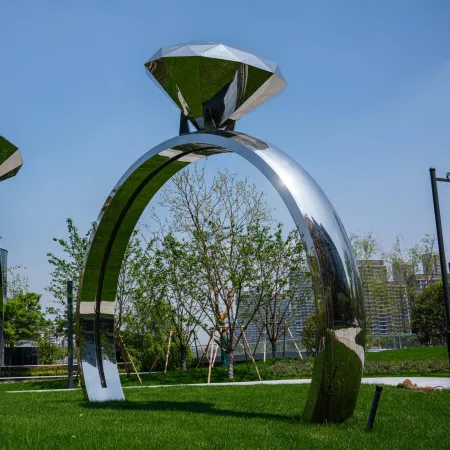
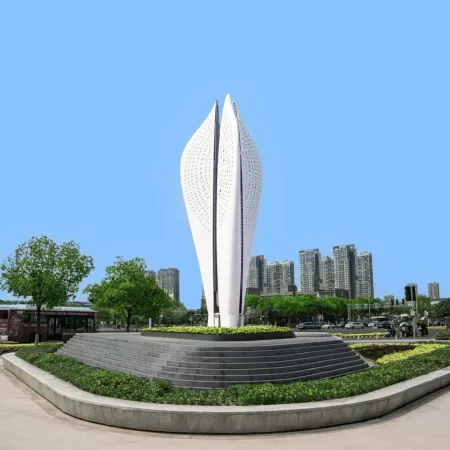
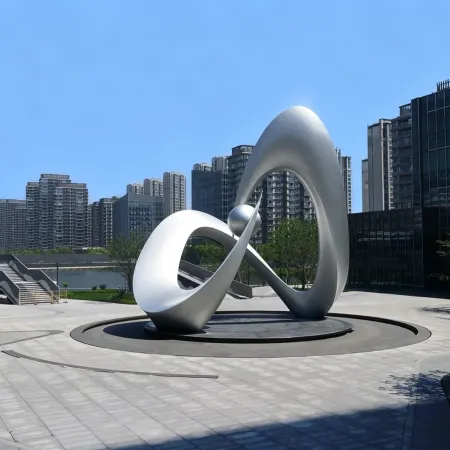
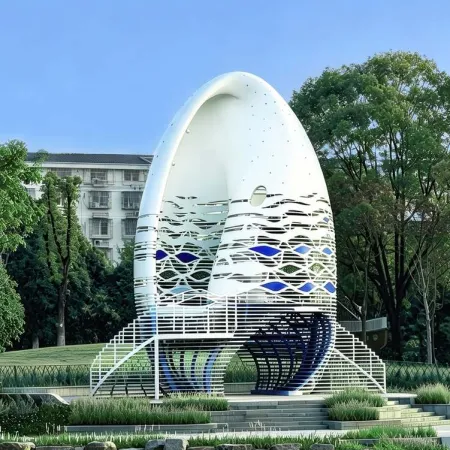
See the hidden structure of Wind Sail, the engineered span of Fishing Net Canopy and the stable grace of Honeycomb Pavilion.
Every Sculpture Is a Structure
The public rarely thinks of sculpture as engineering, but structural design for outdoor sculpture begins with a simple truth: anything that stands in the open air is a structure. A form several metres high catches wind across its surface, carries its own weight through its body and transmits both to the ground, and if any part of that load path is weak, the sculpture can fail, slowly through fatigue or suddenly in a storm. The same laws that govern buildings and bridges govern art, and the art that ignores them does so at its peril.
The challenge of sculpture is that it must obey these laws while appearing to ignore them, floating forms, cantilevered wings, slender stems and daring spans all test the limits of structure, and the engineer's art is to make the impossible safe. This is why the best outdoor sculpture is a collaboration between artist and engineer from the first sketch, with the artist pushing the form and the engineer finding the hidden ways to carry it. When the collaboration works, the public sees only the poetry, and the engineering disappears into the confidence of the pose.
The Loads Every Outdoor Work Must Carry
Structural design for outdoor sculpture begins with identifying the loads the work will meet, and the first is wind. Wind pressure on a sculpture grows with the square of its speed and with the area of the surfaces it strikes, so a tall solid form in an exposed site can face enormous forces, and the engineering must consider the worst storm the site can meet, not the average breeze. The shape of the work matters, since streamlined forms shed wind while flat plates catch it, and the engineer may shape the structure to reduce the load as well as to carry it.
The other loads are equally real. The sculpture must carry its own dead weight, through every section and connection, without creeping or fatiguing over decades; it must resist the forces of public use, people leaning, children climbing and crowds gathering; and in some regions it must survive seismic loads and the weight of snow and ice. The engineer calculates each of these for the specific site, applies the safety factors that codes require and designs the internal structure, the wall thicknesses, the connections and the foundation to carry the worst combination with margin to spare.
| Load | Where it comes from | How it is carried |
|---|---|---|
| Wind | Storms and site exposure | Internal frame and foundations |
| Dead weight | The sculpture's own mass | Shell, frame and connections |
| Public use | Leaning, climbing, crowds | Robust local strength |
| Snow and ice | Winter accumulation | Surfaces shed or carry the load |
| Seismic | Earthquake regions | Ductile connections and base |
The Foundation: Connecting Art to Earth
Structural design for outdoor sculpture always ends in the ground, because the foundation is what carries every load to the earth and holds the work against overturning. The foundation must be sized for the weight of the sculpture, the wind loads of the site and the real bearing capacity of the soil, which is why a ground investigation is essential for any significant work, and it must be detailed so the sculpture can be fixed to it securely and, where needed, removed for maintenance. In urban sites the foundation must also respect the structures below, car parks, services, tunnels and drainage, which often requires coordination with the surrounding engineers.
The connection between sculpture and foundation is where hidden failures begin. Holding-down bolts must be of the specified grade and embedded to the specified depth; the baseplate must distribute the loads without crushing the concrete; and the detail must allow the thermal movement that the engineering requires while keeping the work stable. Water must be kept from the fixings, and access for inspection and maintenance should be preserved. When the foundation and the fixings are designed with the same care as the visible form, the sculpture stands secure against everything the site can throw at it.
Materials, Fatigue and the Long Decades
The materials of a sculpture's structure must serve not only the loads of today but the decades ahead, and structural design for outdoor sculpture therefore considers fatigue, corrosion and the slow attack of time. Repeated loading from wind can fatigue metal at stress concentrations, so details must avoid sharp corners and sudden changes in section; corrosion can thin a structure invisibly from within, so drainage, sealing and the right alloys are structural matters as much as cosmetic ones; and the connections must be accessible for the inspections that catch problems while they are still small.
The design should also plan for the work's whole life. A maintenance and inspection regime should be documented so that the owner knows what to check and when, and the structural records should be kept for future engineers, because a sculpture that will stand for decades deserves to be understood for decades. When the materials are chosen for the long term and the details are designed for inspection, structural design for outdoor sculpture delivers not only safety today but the certainty that the work will still be safe, and still standing, for the generations who inherit it.
Engineering as Part of the Art
Clients sometimes treat engineering as a burden to be added after the art is finished, but the commissions that succeed treat structural design for outdoor sculpture as part of the art from the beginning. When the engineer works with the artist from the first sketch, the structure can enable the form, hidden armatures that make daring poses possible, foundations that allow a work to float over a plaza, connections that let sections be assembled invisibly, and the art is liberated rather than constrained. The studio should bring its engineers into the design conversation early and should be able to show how engineering has enabled its most ambitious works.
For the client, engineering is also a matter of due diligence and protection. Ask to see the structural calculations for previous works, confirm who the engineers are and how they are involved, and require the calculations and drawings for your own commission as part of the contract. A studio that engineers its work openly is protecting both the public and the client, and its documentation is the evidence that the sculpture will stand. When art and engineering are one discipline, structural design for outdoor sculpture delivers the truest form of public safety, the safety that no one ever has to think about.
- Start engineering early: structure should enable the form
- Design for the worst storm: not the average breeze
- Honour the ground: foundations follow the real soil
- Document for decades: records carry the work forward
Structure That Sets Art Free
Loads calculated for the real site
Foundations worthy of the ground
Details designed for fatigue and time
Safety that no one has to think about
Frequently Asked Questions About Structural Design for Outdoor Sculpture
Does every outdoor sculpture need structural engineering?
Any work that stands in the open air is a structure and should be engineered for its loads. Small, low, robust works may need little analysis, but height, exposure and public use all demand proper engineering.
How is wind load calculated for a sculpture?
Engineers calculate the wind pressure for the site's exposure, apply it to the surfaces of the form and analyse the resulting forces on the structure and foundation, using code-based methods and often digital analysis for complex shapes.
What documents should we receive from the engineer?
Structural calculations, foundation design, fabrication drawings for the structure and an installation specification. These should be part of the contract and kept as the record for future inspection and maintenance.
Can engineering limit the artistic design?
When engineering starts early it enables the design rather than limiting it, finding hidden structures that make ambitious forms possible. The best work comes from artists and engineers collaborating from the first sketch.
Why do some sculptures fail in storms?
Failures usually trace to missing engineering: loads underestimated, structures under-designed, foundations inadequate or details prone to fatigue and corrosion. Proper structural design prevents these failures before they happen.
Structural design for outdoor sculpture is the hidden art that lets public art be daring, durable and safe, and it deserves a place at the heart of every commission. When the loads are calculated, the foundations are honoured and the details are designed for the decades, the sculpture stands with a confidence that needs no explanation, and the engineering disappears into the art it made possible.
Bring your ambitious form to our structural design for outdoor sculpture engineers and make it safe to soar.