How Memorial Large Scale Sculpture Gives Grief a Monumental Voice
Some losses are too large for a garden statue, and memorial large scale sculpture exists to give those losses a form that matches their weight in the public mind. When a nation mourns, when a city loses its people, when history demands to be remembered at the scale of crowds and skyline, the memorial must grow until it commands the landscape and becomes part of how a place is recognised. After more than two decades designing and installing large commemorative works across twenty-three countries, I have learned that monumentality is not simply size, it is proportion, presence and the courage to claim space for memory.
This guide explains when a memorial should be large, what scale really means, and how such works are engineered and delivered.
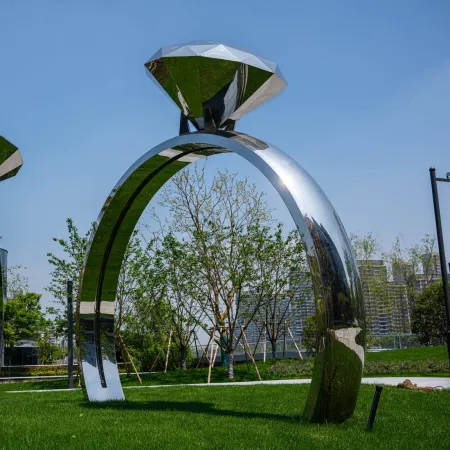
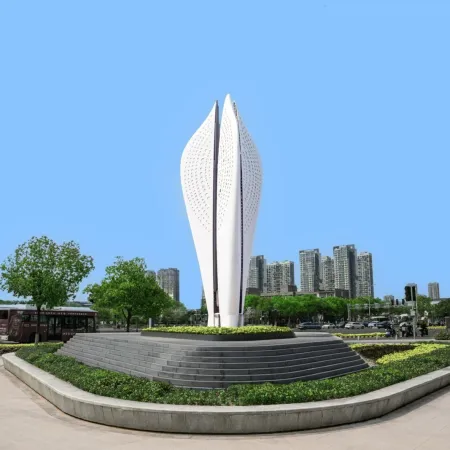
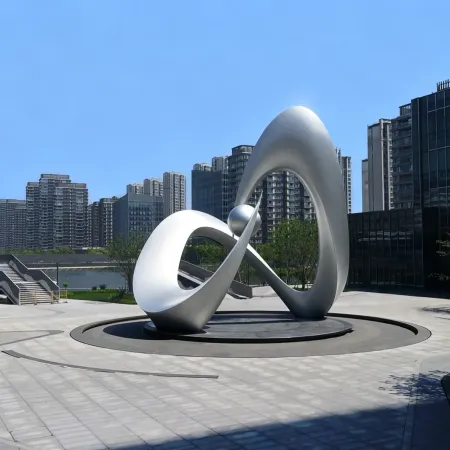
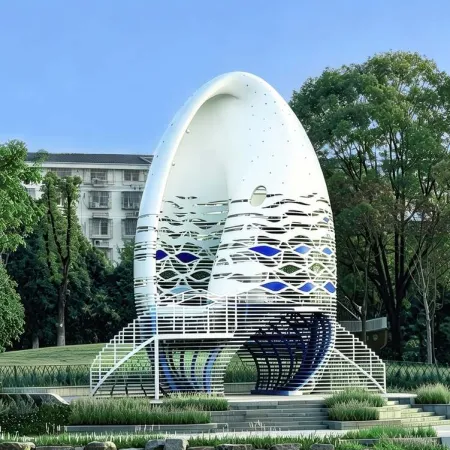
Our large sculpture services carry monumental commemorations from concept to site, the Zhong Gong Water Control monument shows civic commemoration at city scale, and the Heart of Changfeng demonstrates how a large landmark becomes a place symbol.
When Memory Demands Monumental Scale
Scale in memorial sculpture is a moral decision before it is an aesthetic one, because the size of the work says something about the size of the loss. A disaster that took hundreds of lives, a war that shaped a nation, a figure whose legacy spans a century, these demand a memorial that the whole community can gather within, that can be seen from the approaches to the site and that holds its own against the buildings and landscape around it. When the scale is right, the work does not overwhelm the grief, it dignifies it.
Yet memorial large scale sculpture must earn its size through meaning rather than ambition. A large work that has nothing large to say becomes mere grandiosity, and the public senses the emptiness at once, while a large work that carries a true collective memory becomes a landmark that the community protects as its own. The decision to go large should come from the story itself, never from the desire to impress, and the scale should be tested against the question of what the memorial must do for the people who will use it.
Designing for the Gathering, the Gaze and the Skyline
A monumental memorial must work at three distances at once, and each demands a different discipline from the designer. From the far distance the work must read as a silhouette against the sky, a form that identifies the place and draws people towards it. From the middle distance it must relate to the scale of the site, its approaches, its planting and its buildings. And at the intimate distance it must still reward the visitor with detail, inscription and texture, because a memorial that only works from far away fails the person standing at its base in grief.
The design must also make room for ceremony. Large memorials host gatherings on anniversaries, and the space around the work, the forecourt, the sightlines for speakers, the routes for processions and the places for wreaths and flowers, is part of the memorial itself. We design the sculpture and its surrounding space as one composition, working with landscape and civil designers so that the annual rituals of remembrance have a stage worthy of the occasion.
| Viewing Distance | What the Visitor Sees | Design Demand |
|---|---|---|
| Skyline distance | Silhouette and presence | Strong, readable outer form |
| Middle distance | Composition in its site | Dialogue with landscape and scale |
| Intimate distance | Detail, inscription, texture | Craft that rewards closeness |
The Engineering of Monumentality
A memorial large scale sculpture is a feat of engineering as much as of art, because it must stand safely for centuries in the open air, against wind loads that would fell a tree and seismic forces that would crack a building. The internal structure, whether a steel armature within a bronze shell or a self-supporting stainless form, must be calculated by qualified engineers; the foundation must be designed for the local soil and climate; and the assembly must be planned so that sections can be transported, lifted and joined without compromising the finished surface.
The engineering must also plan for the life of the work, because a public monument is maintained in place. Access for cleaning and repair, drainage that sheds water before it can harm the structure, joints that tolerate thermal movement without cracking, all of these are designed in from the start. The studio that delivers monumental memorials takes the same care with the invisible structure as with the visible form, because the sculpture's safety is the commission's first responsibility.
Materials for the Monumental Memorial
Monumental memorials choose their materials for endurance at scale. Stainless steel allows the immense polished and mirror forms of contemporary commemoration, resisting corrosion and holding a surface that reflects the sky and the crowds; weathering steel brings an elegiac rust-brown that ages with the landscape and suits memorials of loss; bronze, at monumental scale, is often used for figures and reliefs within a larger architectural composition; and stone remains the language of the most traditional civic monuments.
The choice of material at large scale is also a choice of maintenance philosophy. A mirror stainless work in a coastal city demands a different care regime from a weathering steel form that is designed to oxidise, and the commissioning body must understand that commitment before the work is built. We specify materials with their full life-cycle cost and care in view, so the memorial that stands for centuries is also a memorial the community can afford to maintain with honour.
Delivering a Monumental Commission
Delivering memorial large scale sculpture is a project of many years and many disciplines, and it succeeds only when one studio holds the whole chain together. The process moves from the gathering of the story and the concept, through design competition or direct commission, into full engineering, fabrication in sections, surface finishing, transport to the site, and installation on a foundation prepared to the drawings. Each stage must be documented and approved, and the communication with the commissioning body must be continuous.
Since 2003 our studio has designed and delivered monumental commemorative sculpture across twenty-three countries, integrating art, engineering, fabrication and installation under one roof with our own workshops. We understand the weight of the trust such a commission carries, and we would be honoured to help your community, institution or city give its memory the monumental voice it deserves.
- Scale must be earned: monumentality follows the weight of the loss
- Design at three distances: skyline, site and the visitor at the base
- Engineer for centuries: wind, seismic and maintenance are design facts
- Hold the whole chain: one studio from concept to installation
Monumental Scale Serves Collective Memory
A presence that commands the landscape for memory
Space designed for gathering and annual ceremony
Detail that still rewards the visitor at the base
Engineering that keeps the work safe for centuries
Lighting the Monumental Memorial After Dark
A memorial large scale sculpture that disappears at night has failed half its purpose, because remembrance does not end at sunset and many of the most solemn visits happen in the evening hours. The lighting of a monumental memorial must be designed as part of the work itself, with fixtures that lift the form from the darkness, reveal the names and the textures and create a presence that the night city can hold. The lighting should be restrained, dignifying the memorial rather than turning it into a spectacle, and it should be engineered for decades of outdoor service with access for maintenance.
The lighting design must respect the memorial's own character and the character of the place around it. A memorial in a quiet garden may ask for nothing more than a soft wash that keeps the names readable, while a civic monument at the heart of a square may carry its light with more confidence. We work with lighting designers on every monumental memorial, specifying the fixtures, the angles and the control system so that the work speaks as clearly by night as by day, and so that the light itself becomes part of how the community remembers.
Frequently Asked Questions About Memorial Large Scale Sculpture
When should a memorial be built at large scale?
When the loss is collective and public, a war, a disaster, a community tragedy, or when the figure commemorated shaped a nation or a century. Scale should follow the weight of the memory, not the ambition of the design.
How do monumental memorials remain intimate for individual visitors?
Through composition that works at every distance. The great memorials give the individual a place at the base, with names to read, surfaces to touch and space for private grief within the public statement.
What are the main engineering challenges of a monumental work?
Wind loads, seismic forces, foundations in local soils, transport of sections and thermal movement of large surfaces. Qualified structural engineering is designed in from the first concept, never added afterwards.
Which materials suit monumental memorials best?
Stainless steel for contemporary mirror forms, weathering steel for elegiac landscape works, bronze for figures within larger compositions and stone for traditional civic monuments. Each carries its own maintenance commitment.
How long does a monumental memorial project take?
A project of this scale typically spans one to three years from concept and approvals through engineering, fabrication, transport and installation. The schedule should honour the significance of the commission.
Memorial large scale sculpture exists because some memories are simply too big for anything smaller, and when it is conceived with truth, engineered with rigour and delivered with care, it becomes part of the landscape of a people's grief and pride. Commission the scale your memory deserves, and build it to carry that weight for centuries.
Let our studio help you conceive and deliver the memorial large scale sculpture your community will gather around for generations.