Why Public Art Consulting for Commercial Complexes Builds Value
Public art consulting for commercial complex projects exists because a shopping centre, mixed-use district or business park is not a neutral container for art, it is an economic engine that runs on footfall, dwell time and desire, and art that ignores that reality will be politely ignored in return. In a commercial setting, art must earn its place twice, once as culture and once as commerce.
This guide explains what public art consulting for commercial complex development must balance, how art supports the commercial life of a destination and how to commission work that serves tenants, visitors and owners alike.
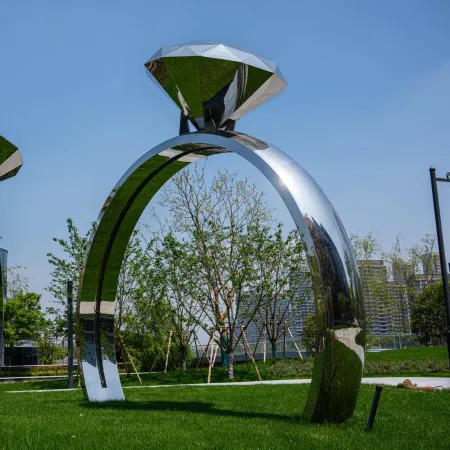
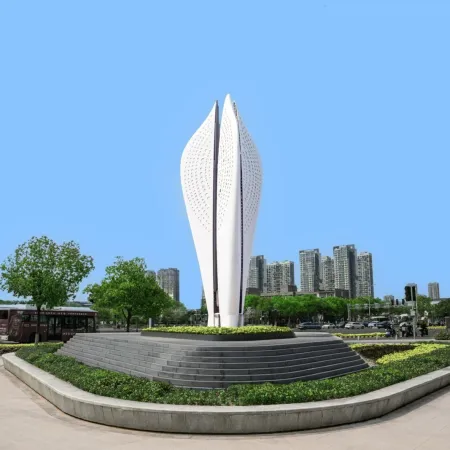
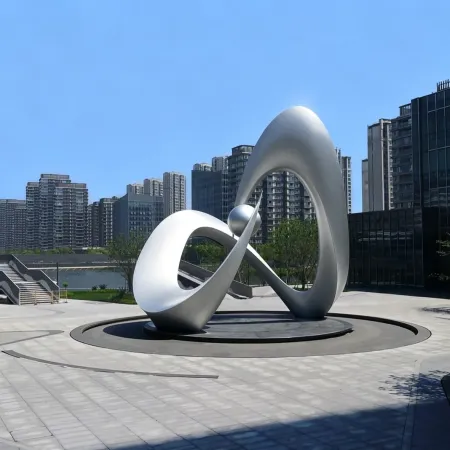
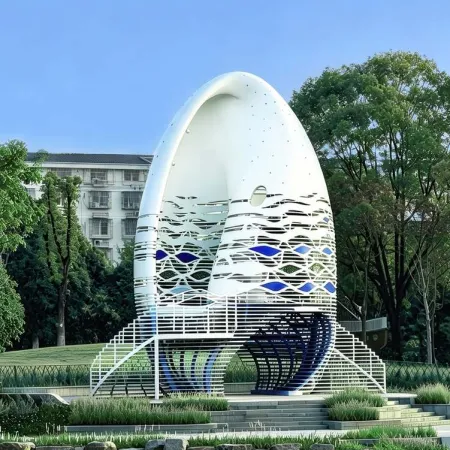
See art working within commercial destinations in The Diamond Rings, Rainbow Windmills and Butterfly Dance.
The Commercial Case for Art
Public art consulting for commercial complex projects begins with an honest conversation about value, because the business case for art must be as strong as the cultural case if the work is to survive the next budget review. Art in a commercial destination draws visitors and gives them a reason to stay, extends their dwell time and their spending, creates the photographs and social posts that market the destination for free, and gives the complex an identity that competing venues cannot copy. Measured this way, art is not a cost centre; it is infrastructure for attention.
The consultant's job is to design for that return without cheapening the art. A work conceived purely as a photo opportunity may draw crowds for a season and then date, while a work of genuine quality keeps drawing, photographing and returning visitors for decades, and the commercial complex that commissions seriously is investing in an asset that appreciates with time. The strongest commercial art is ambitious enough to be respected and welcoming enough to be loved, and public art consulting for commercial complex schemes exists to find that balance rather than leaving it to chance.
Art and the Architecture of Desire
Commercial architecture is engineered to move people through a sequence of spaces, and public art consulting for commercial complex projects should work with that choreography rather than against it. The consultant studies how visitors arrive, where they linger, which routes carry them past the shops and restaurants, and where a pause would become a purchase; art placed at these moments can become the landmark that orients visitors, the reward that draws them deeper or the reason they choose this destination over the one across town. Placement is not decoration; it is strategy.
The art must also hold its own against a demanding visual environment, the signage, the displays, the crowds and the architecture itself, and a work that whispers will be lost entirely. Commercial settings favour work with presence, a scale that commands the atrium, a form that reads through the bustle, a material that catches the light, and an identity strong enough that visitors say meet me by the sculpture rather than meet me at the escalator. Yet presence must not become aggression, and the consultant judges the point where the work commands attention without exhausting the space that hosts it.
| Commercial goal | How art serves it | Design implication |
|---|---|---|
| Draw visitors | A reason to choose this destination | A landmark identity worth crossing town for |
| Extend dwell time | Moments that reward lingering | Seating, viewing and gathering woven in |
| Create shareable moments | Photographs that market the place | Composition that rewards the camera |
| Build identity | A character competitors cannot copy | Original commissions over generic decor |
| Lift the brand | Quality that signals quality | Craft and materials chosen seriously |
Designing for Tenants, Visitors and Owners
A commercial complex is a community of interests, and public art consulting for commercial complex projects must serve them all if the work is to last. Tenants want art that raises the tone and draws their customers without blocking their trade; visitors want art that delights without obstructing; owners want art that appreciates in value and reputation without burdening the operating budget. The consultant maps these interests early, because a work that pleases the owner but annoys the tenants will be removed at the first lease renewal, while a work that serves all three becomes untouchable.
The practical questions follow from that map. Maintenance in a commercial setting must be swift and unobtrusive, because a closed gallery or a scaffolded work disrupts trade, so materials and finishes are chosen for easy care and repairs are planned for quiet hours. Safety and insurance demand that the work meet the standards of a space crowded daily by families, and access for cleaning and relamping must be designed in from the start. Public art consulting for commercial complex delivery that anticipates these realities gives the owner art that works as hard as the building around it.
Art as a Destination Within the Destination
The most successful commercial art creates a destination within the destination, a place people come to see even when they do not come to shop, and public art consulting for commercial complex projects should aim at that gravity. A work of real ambition becomes the complex's signature, the image on its website, the backdrop of its campaigns, the answer to the question of where the complex is, and that gravity draws visitors who then discover the shops, the restaurants and the life around the art. Culture-led footfall is the most valuable footfall a commercial destination can earn.
Building that gravity requires courage as well as craft. The safest commission, a decorative piece that offends no one, will also attract no one, while the work that makes a destination famous carries a degree of risk that committees find uncomfortable. Our studio has helped owners take that step since 2003, delivering works across more than twenty countries that anchor their surroundings, and we know that the owners who commission with conviction are the owners whose destinations develop a following. The consultant's role is to make ambition safe, testing the bold idea until it is both daring and deliverable, so the complex gains a landmark rather than a liability.
- Build the business case: art must earn its budget twice
- Work the choreography: placement guides the visitor journey
- Serve every interest: tenants, visitors and owners all matter
- Aim for gravity: a destination within the destination
Art That Pays Its Way
A business case as strong as the cultural one
Placement that guides the visitor journey
Design that serves tenants, visitors and owners
Ambition that makes the destination famous
Art That Gives a Complex a Life Across the Year
Public art consulting for commercial complex projects should also plan the rhythm of the year, because a destination must stay alive through every season and every occasion. The permanent works anchor the identity, but the complex keeps its freshness through the temporary and the seasonal: the installation that arrives for the winter festival, the programme that animates the summer evenings, the artist interventions that refresh the spaces between the major works. A consultant who plans this calendar gives the complex a reason to be visited in every month, and each visit builds the habit that makes the destination part of its visitors' lives.
The calendar also gives the complex a way to respond to the moment, to mark a milestone, to welcome a new phase or to celebrate the community around it, and that responsiveness keeps the destination feeling alive rather than fixed. The permanent collection provides the continuity and the identity, while the changing programme provides the novelty and the news, and the two together give the complex a cultural life that a static collection could never achieve. Public art consulting for commercial complex development that composes this rhythm treats the destination as a living place rather than a finished product, and that is the difference between a complex people visit and a complex people return to.
Frequently Asked Questions About Public Art Consulting for Commercial Complexes
Does art really pay for itself in a commercial complex?
When commissioned well, art pays through footfall, dwell time, social exposure and identity that competitors cannot copy. The consultant designs the work to earn that return rather than hoping it arrives.
Where should art go in a complex?
Wherever it can shape the visitor journey: arrival points, atriums, route junctions and spaces where a pause becomes a purchase. Placement is studied from the visitor's path, not the floor plan.
How do tenants react to major art?
Well-consulted art raises the tone and draws customers, so tenants usually welcome it. The key is designing the work so it never obstructs trade and consulting tenants early on placement and access.
Is safe or spectacular art better for commerce?
The safest work attracts no one and the reckless work endangers the brand. The consultant tests ambitious ideas until they are both daring and deliverable, giving the complex a landmark without a liability.
Who maintains art in a commercial setting?
The owner, under a maintenance schedule agreed at commissioning. Commercial settings favour easy-care materials and repairs planned for quiet hours so the work never disrupts trade.
Public art consulting for commercial complex projects gives owners art that works as an asset rather than an ornament, drawing visitors, extending their stay and giving the destination an identity that rivals cannot copy. When the business case and the cultural case are both honoured, the art earns its place in the budget and in the life of the complex for decades.
Discover what public art consulting for commercial complex development can do for your destination.