Why Landscape Public Art Installation Belongs to Its Environment
A landscape public art installation is a work that shares its life with trees, water, planting and weather, and the finest examples feel less like objects placed in a landscape than like presences that the landscape itself has produced. Getting to that point is a discipline of listening, siting and designing with the environment rather than against it.
This guide explains how landscape public art installation is conceived for natural settings, how the environment shapes the design and the materials, and what clients should consider when commissioning art for gardens, parks, waterfronts and rural sites.
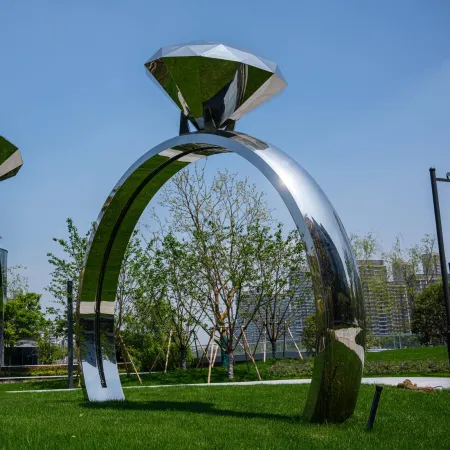
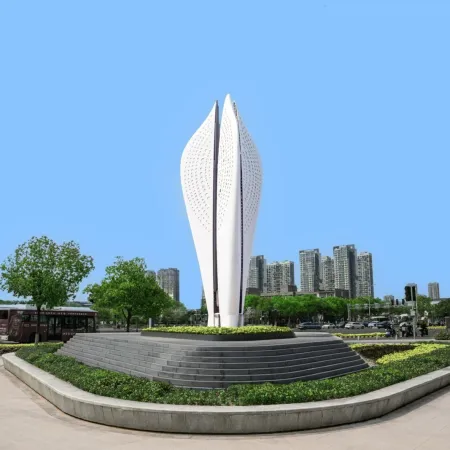
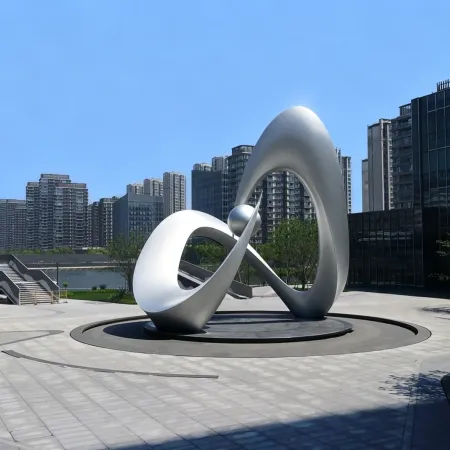
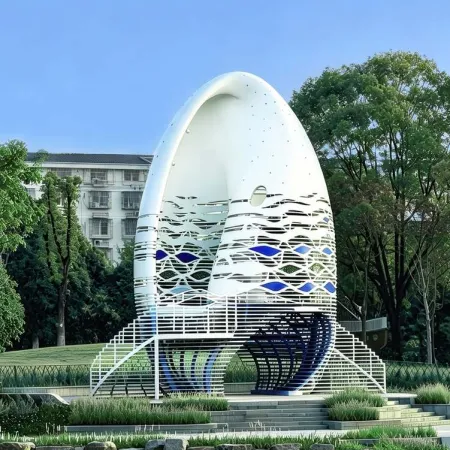
See works in landscape settings at Zhang Cangshui, Cloth Dragon and Weaving Shadows of Fishing Waves.
The Landscape as Co-Author
A landscape public art installation is never finished in the workshop, because the landscape completes it with every season. A work placed among trees is framed differently in spring leaf and winter branch; a work beside water is doubled by its reflection or veiled by mist; a work on open ground is read against the sky at dawn and turned to silhouette at dusk. The studio that designs for landscape thinks in these changes, composing the work with the growth of the planting, the movement of the light and the weather of the site, so that the sculpture and its setting perform together through the whole calendar.
This partnership demands a different kind of design humility. A work that fights its landscape, shouting for attention against a mature tree or a sweeping view, will always lose; the strongest landscape works enter into dialogue, echoing a natural form, answering a vista, or providing the human note that makes the landscape legible. The studio should spend time on the site before drawing, watching how the light falls, how the paths carry people and how the seasons change the scene, because the design that grows from that watching will belong to the place in a way that no studio-bound concept ever can.
Siting: the Most Important Design Decision
In landscape public art installation, the choice of where the work stands is often more important than the choice of what it looks like, because the site composes the work as surely as the sculptor does. The studio should study the landscape's own structure, its viewpoints, its borrowed views, its natural clearings and its circulation, and should place the work where it will be discovered with delight rather than encountered by accident. A work glimpsed through a gap in the trees, closing a vista at the end of a path, or waiting around a bend rewards the walker in a way that a work planted beside a car park never can.
Siting also means respecting what the landscape already does. The work should not compete with a fine tree, block a view that the garden was designed to hold, or intrude on the habitats that make the site alive, and the installation should work with the landscape's drainage, its root systems and its maintenance regime. The foundations must be laid without damaging the ground around them, the access for installation must respect the planting, and the finished work must leave the landscape as healthy as it found it. The best landscape commissions are those where the ecologist, the landscape architect and the artist work as one team from the start.
Materials That Age With the Seasons
Materials for a landscape public art installation must be chosen for a life spent outdoors among living things, and the palette differs from urban work in important ways. Weathering steel, whose rust patina deepens with the years, belongs naturally to landscape, echoing the bark and the earth; stone weathers with a slowness that suits permanent settings; bronze develops a patina that harmonises with foliage; and stainless steel carries a cool brilliance that can read beautifully against planting when its reflections are controlled. The choice should consider not only appearance but how each material will interact with the moisture, the soil and the maintenance of a garden or park.
The studio should also be honest about the maintenance each material will need in a landscape setting, where fallen leaves, sap, bird life and irrigation can all leave their mark. Some finishes that thrive in an urban plaza struggle in a garden, and some materials that look magnificent in a showroom become dull or stained within a season when placed among trees. The design should anticipate the landscape's own housekeeping, specifying finishes that can be cleaned by the garden's usual crew and materials whose aging is part of their beauty rather than their decline. A landscape work should grow more at home with every year, and the material choice is what makes that possible.
| Material | How it behaves in landscape | Best suited to |
|---|---|---|
| Weathering steel | Rust patina deepens with the years | Naturalistic and rural settings |
| Stone | Weathers slowly and with dignity | Formal and permanent gardens |
| Bronze | Patina harmonises with foliage | Classical and planted settings |
| Stainless steel | Brilliant mirror against greenery | Contemporary and water settings |
Water, Ecology and the Living Site
Many of the most memorable landscape public art installation projects involve water, and water brings its own discipline. A work set in a lake or pond must be engineered for its aquatic life, with foundations that protect the water body, materials that will not harm its ecology and finishes that tolerate constant moisture; a work beside a fountain must live with spray; and a work on a riverbank must survive flooding. The studio should work with the site's hydrology rather than against it, designing for the water levels that will come and the maintenance that water demands, because a work that fights its water will lose over time.
Ecology belongs in the same conversation. A landscape installation should enrich the living site rather than diminish it, and the design should consider how the work will sit among the site's wildlife, its planting and its soil. Works can be designed to provide shade, shelter or perches; installation can be scheduled to avoid the nesting season; and the ground disturbance can be minimised and restored so that the site remains as healthy after the work as before. The most successful landscape commissions treat the ecology as a client of the project, and the studios that do this earn the gratitude of the landscape architects and ecologists who will care for the site for years.
The Journey of Discovery
Landscape public art installation is experienced through movement, and the finest landscape collections are composed as journeys rather than as individual stops. A work that closes a vista draws the walker toward it; a work glimpsed between trees invites a detour; a work that appears only from a particular bench rewards those who know where to stand, and the route between the works becomes part of the art. The studio should design with the landscape's paths and pauses, placing works where the human body naturally wants to go and creating reasons to wander deeper into the site than visitors would otherwise travel.
This journey thinking also shapes the scale and the voice of each work. A sequence of landscape works should have a rhythm, some bold and distant, some intimate and close, so that the visitor moves between experiences rather than past a series of similar objects. The interpretation of the works, whether through signage, a trail map or the stories shared by guides, should deepen the journey without interrupting it, and the seating and resting places should be composed with the views that the works command. A landscape installation that guides its visitors through a sequence of discoveries turns a walk into an experience that visitors carry home and return to share.
Designing With the Land
Let the seasons and the light compose the work
Choose materials that age with the site
Respect the water, the soil and the wildlife
Turn the walk into a journey of discovery
Commissioning a Work for Your Landscape
Commissioning a landscape public art installation begins with choosing a studio that will spend time on your site, because landscape art cannot be designed well from photographs alone. Ask how the studio will study the site, who will visit and when, and how the design will respond to the seasons and the light that photographs cannot convey, and look for a team that can work alongside your landscape architect and ecologist as a partner rather than a supplier. The brief should describe the experience you want visitors to have, the character of the place and the constraints of the site, and should leave the form to the studio's response to what it finds there.
The commission should also plan for the life of the work within the life of the landscape. The planting around the work will grow and change, and the design should anticipate how the work will be framed in ten and twenty years; the maintenance of both the work and its setting should be coordinated; and the access for future care should be preserved as the site matures. Our studio has delivered landscape public art installation across more than twenty countries, and the works that have aged most gracefully are those whose designers listened to the land, whose materials were chosen for their seasons and whose owners understood that a landscape work is a partner with the living site around it.
Frequently Asked Questions About Landscape Public Art Installation
What materials suit a natural landscape?
Weathering steel, stone, bronze and controlled stainless steel all age well among planting. The choice should consider the climate, the maintenance regime and how the material will harmonise with the site.
How is a landscape work sited well?
Through time on the ground: studying the viewpoints, the light, the paths and the seasons, and placing the work where it is discovered with delight and composes with the existing landscape.
Will the work harm the site's ecology?
Not if the ecology is part of the brief. Foundations can be laid with minimal disturbance, installation can respect the seasons and materials can be chosen that are safe for water and wildlife.
Should the art match the landscape style?
It should enter a dialogue with the landscape rather than copy it. The strongest works echo natural forms or provide the human note that makes the landscape legible, without imitating what is already there.
How is a landscape work maintained?
With the garden's own regime: cleaning that fits the site's housekeeping, finishes whose aging is part of the design, and coordination between the care of the work and the care of the planting.
A landscape public art installation is a partnership between art and environment, and the works that succeed are those whose creators listened to the land. Commission a studio that will walk your site in every season, give it the freedom to grow the design from what it finds, choose materials that will age with the planting and plan the work as part of the living landscape's life. The sculpture that belongs to its environment will be completed by every sunrise, every season and every visitor's walk, and it will reward the place that welcomed it with decades of quiet, deepening presence.
Choose a landscape public art installation designed with your land, and the work will grow more beautiful with every season.