Why Commercial Stainless Steel Sculpture Is the Modern Material of Choice
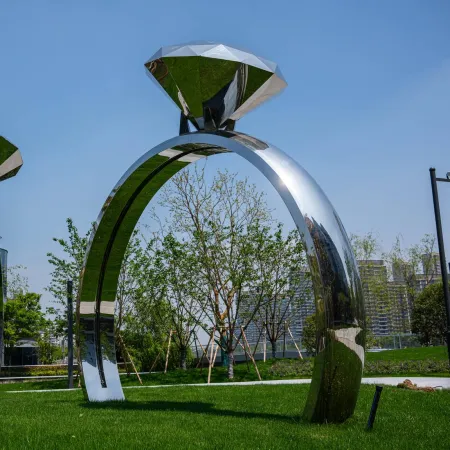
Commercial stainless steel sculpture has become the signature material of contemporary development for a simple reason: it does what modern commerce demands. It reflects light and sky, so it photographs dramatically in any weather. It endures outdoor life with minimal care, protecting the investment. And its finish can range from mirror brilliance to quiet satin, suiting everything from a luxury hotel lobby to a civic plaza. For brands that want a work to read as premium, precise and permanent, commercial stainless steel sculpture is the material that delivers all three. Yifeng Sculpture Studio has fabricated commercial stainless steel sculpture for clients in more than twenty countries since 2003.
This guide covers the finish options, the engineering of stainless forms, and how to specify a work that stays beautiful for decades.
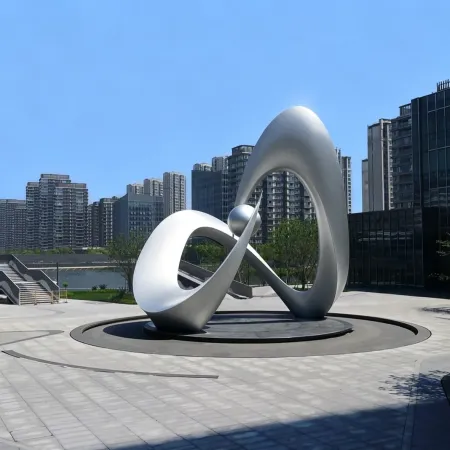
Our project archive shows stainless works in commercial settings, the services overview explains our fabrication capability, and the Homing and Nesting demonstrates stainless forms with a light-catching finish.
Why Stainless Leads in the Commercial Portfolio
Stainless steel earns its place in the commercial portfolio through a combination no rival matches. It is the most photogenic of materials — a mirror-polished work reflects the sky, the architecture and the people passing, creating an image that changes with every hour and every season, which makes it endlessly shareable. It is among the most durable — correct grades withstand decades outdoors with nothing more than periodic washing. It reads as premium and precise, associating the brand with quality and permanence. And it suits both landmark scale and intimate detail, from monumental ribbons to delicate interior forms. For commercial clients who want a work that photographs like an investment and endures like infrastructure, stainless is the default answer — and the default exists for good reason.
The Finishes: Choosing the Skin of the Work
The finish is the sculpture's personality, and stainless offers a range wider than most clients realize. Mirror polish delivers the full reflective drama — the work becomes a living mirror of its surroundings, spectacular for landmarks and photo moments but demanding periodic cleaning in city air. Satin and brushed finishes soften the reflection for interiors, corporate settings and spaces where a calmer presence suits the brand. Bead-blasted and textured finishes diffuse light completely, hiding dust and fingerprints while giving the form a matte, contemporary presence. Each finish can also be combined within one work — a mirror face toward the plaza, a satin interior — to control both the visual effect and the maintenance. The finish should be chosen with the site, the brand and the care budget in view, and approved on physical samples.
Stainless Finishes Compared
- Mirror polish: full reflection, maximum drama; clean periodically in urban air
- Satin / brushed: soft contemporary glow; moderate care, hides light marking
- Bead blast: matte diffusion; forgiving of dust, touch and smog
- Combined finishes: mirror and satin zones for controlled effect and care
Engineering the Seamless Form
Stainless sculpture is judged by its surfaces, and its surfaces are decided by its engineering. A mirror finish shows every imperfection, so the underlying fabrication must be near-perfect: welds ground and blended until invisible, joints detailed so they disappear in the reflection, and the whole form built to tolerances that a polished surface exposes without mercy. Structural engineering is equally demanding — a stainless ribbon that appears to float must carry its wind and weight loads invisibly, with internal structure that never disturbs the skin. And grade selection matters: the stainless specified for a coastal plaza differs from that for an inland lobby, and the difference is invisible until corrosion appears. The studio that engineers stainless forms with this discipline delivers work that looks effortless because the effort is hidden.
Grade Selection: The Invisible Decision
Not all stainless is equal, and the grade specified determines how long the work stays beautiful. The common 304 grade serves most interior and inland outdoor settings well. For coastal environments, salt-laden atmospheres and sites near roads where de-icing salts are used, higher-alloy grades resist the pitting and staining that standard grades can suffer. The specification should also consider the finish's interaction with the environment — a mirror finish in a marine location needs more robust grade selection than a bead-blasted one in a sheltered courtyard. A commercial sculpture supplier should ask where the work will live and specify the grade accordingly, because regrading a sculpture after corrosion appears is an expensive lesson. The grade is invisible in the beauty shot and decisive in year fifteen.
| Environment | Typical Grade | Why It Is Chosen |
|---|---|---|
| Indoor | Standard 304 | Cost-effective, fully adequate indoors |
| Inland outdoor | Standard 304 | Resists normal outdoor exposure |
| Coastal | Higher-alloy marine grade | Resists salt pitting and staining |
| Roadside / de-icing | Chloride-resistant grade | Withstands salt spray and chemicals |
Caring for the Stainless Landmark
Stainless steel's care reputation is better than its reality in one respect: no outdoor material is maintenance-free. A mirror-polished work in a city needs periodic washing to keep its reflection bright; even satin and blasted finishes benefit from an annual wash where grime and pollution accumulate. The care is simple and infrequent — clean water and a mild detergent, never abrasive pads or harsh acids — but it must happen on a schedule. The studio should hand over a care manual specifying the cleaning method, the inspection points for fixings and welds, and the touch-up approach for any surface damage. A stainless work that is washed twice a year and inspected annually still looks like opening day in year twenty-five, and the modest care cost is the cheapest protection a commercial asset can buy.
Combining Stainless With Other Materials
Some of the most striking commercial works combine stainless with other materials — polished ribbons over stone bases, stainless forms with painted steel elements, or stainless integrated with water and light. These combinations add richness, but they demand engineering care: dissimilar metals must be isolated to prevent galvanic corrosion, junctions must be detailed so each material can be maintained, and the contrasting finishes must be protected during fabrication and installation. A studio experienced in mixed-material work knows how to make the junction disappear or delight, as the design intends. For commercial clients, combinations also offer budget flexibility — a full stainless work at landmark scale is a significant investment, while a stainless signature element over a less costly base can deliver the premium look within a more modest budget.
What Our Studio Delivers in Stainless
Finish development on physical samples before production
Seamless fabrication and mirror-grade weld blending
Grade selection matched to the real environment
Installation, care manual and long-term aftercare
For commercial clients deciding between materials, the choice of stainless is often also a choice about maintenance philosophy. A painted work will eventually need repainting; a bronze work needs its wax cycle; a stainless work with a satin or blasted finish asks almost nothing of its owners beyond an occasional wash, and even a mirror finish is simply cleaned more often, never recoated. That low ongoing burden is one of stainless's quiet commercial strengths — the total cost of owning the sculpture over two decades is often lower than alternatives whose first cost was less. When the brand values permanence and the facilities team values simplicity, commercial stainless steel sculpture delivers on both accounts from the day it is installed.
Frequently Asked Questions About Commercial Stainless Steel Sculpture
Will stainless steel sculpture rust?
Stainless is corrosion-resistant, not corrosion-proof. With the correct grade for the environment, clean detailing and isolation from dissimilar metals, a stainless work stays free of rust for decades. The specification, not the material alone, determines the outcome.
How do we keep mirror-polished sculpture clean?
With the right sequence and agents: rinse to remove grit, wash with a mild cleaner and clean water, then dry to prevent spots. The care manual specifies what protects the finish — never abrasive pads or harsh acids on polished surfaces.
Is stainless suitable for coastal locations?
Yes, when the grade is chosen for the marine atmosphere. Higher-alloy grades resist the salt pitting that standard grades can suffer near the sea. A specialist studio specifies the grade from the site's real exposure before fabrication.
How much does stainless sculpture cost compared with other materials?
Stainless sits above painted steel and below bronze in typical cost, with the finish and complexity as the main variables. A transparent quote against a written scope, with the material and finish specified, lets you compare fairly with other options.
How long does a stainless commission take?
A medium work typically runs four to ten weeks from approved design to delivery, longer for large or mirror-grade pieces where the finishing stages set the pace. Rushing the polish is how mirror finishes fail — a serious studio protects the schedule realistically.
Commercial stainless steel sculpture is the material that lets a brand say premium, precise and permanent in a language every visitor reads instantly — light, reflection and flawless surface. Since 2003 our studio has fabricated commercial stainless steel sculpture for clients in more than twenty countries, from mirror landmarks to satin interiors, each engineered to hold its beauty with modest care for decades. If your project deserves the modern material, bring us the site and the concept — the commercial stainless steel sculpture we build together will be finished on approved samples, engineered invisibly and specified to shine in its real environment for fifty years.
Begin by sharing the space and the feeling you want — mirror drama or satin calm — and we will show you finish samples and a concept that delivers it. That first exchange has opened every commercial stainless steel sculpture in our archive, and it is the fastest way to see what the material could do for your space.