What an Urban Public Art Design Agency Coordinates Behind the Landmarks
An urban public art design agency is the conductor of a city's art programme, the organisation that turns a scatter of possible commissions into a coherent strategy and a series of delivered landmarks. Behind every celebrated urban work stands a chain of decisions, permissions and relationships, and the agency is the organisation that manages that chain so the artist and the city can do their best work.
This guide explains what an urban public art design agency actually does, the value it adds between the city and the artist, and how to choose an agency that will serve the public interest and the art equally.
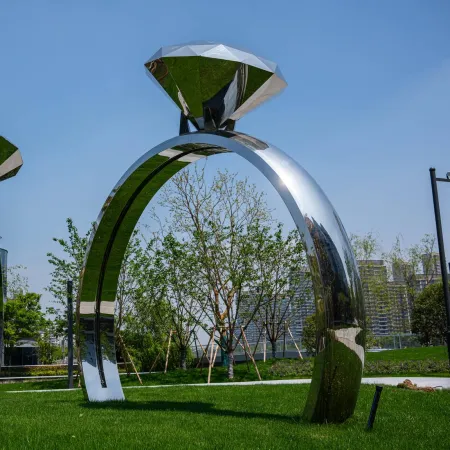
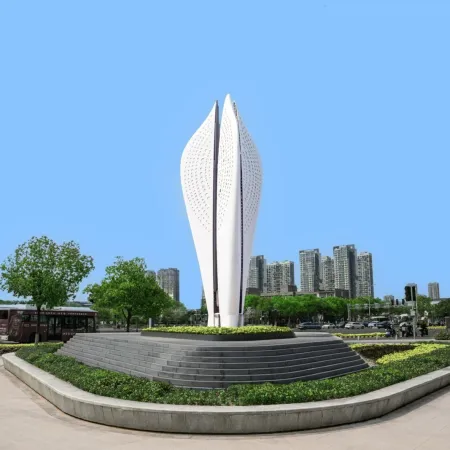
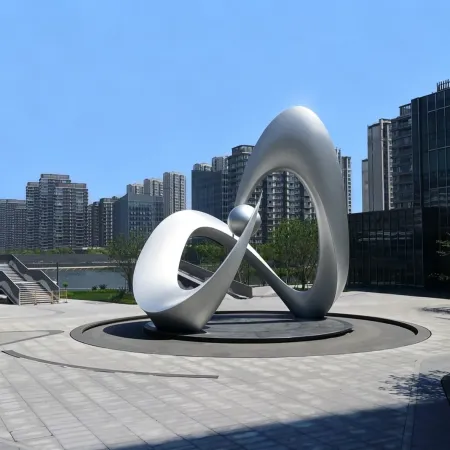
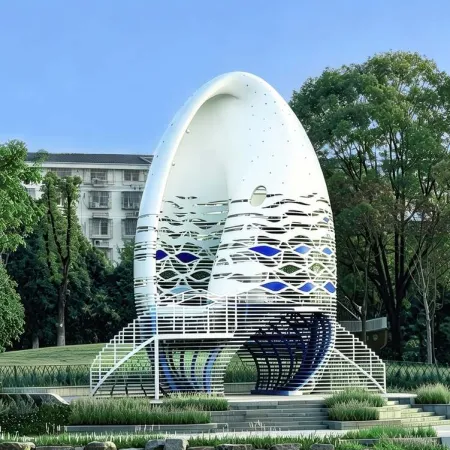
See the results of coordinated urban programmes in Eye of the Phoenix, The Radiant Galaxy and Zhong Gong Water Control.
The Agency as the Architect of the Programme
An urban public art design agency is first an architect of programmes, because a city benefits from its art most when the works add up to something larger than themselves. The agency studies the city or the district, its communities, its routes, its history and its ambitions, and it writes the strategy that turns individual commissions into a collection: the themes that should recur, the sites where art will matter most, the balance of landmark and intimate works, the mix of permanent and temporary and the sequence in which commissions should unfold. This masterplan is the map that keeps a decade of commissioning coherent, and it is the agency's first and most important product.
The programme thinking also protects the city from the failure modes of uncoordinated art, the landmark that blocks a future opportunity, the district that gets everything while another gets nothing, the styles that fight each other across a single street and the budget scattered into forgettable pieces. A good agency makes the whole greater than the sum of its commissions, sequencing the works so that each prepares the ground for the next and distributing the benefit so that every community shares in the identity. The city that commissions through an agency is not buying works one by one; it is building a collection with intention.
| Agency function | What it delivers | Without it |
|---|---|---|
| Strategy | A coherent vision for the art | A scatter of unconnected works |
| Selection | The right artist for each site | Fame or friendship deciding |
| Permissions | The approvals that let art happen | Projects stopped at the last gate |
| Delivery | Works completed and documented | Works that drift and never finish |
Selection: Matching Artists to Places and Commissions
One of the agency's most delicate duties is the selection of artists, because the match between an artist and a commission decides the quality of the work more than any other single factor. An urban public art design agency builds a deep knowledge of artists, their strengths, their materials, their temperaments and their track records, and it matches that knowledge to the needs of each site and brief, proposing artists whose language fits the place, whose capacity fits the scale and whose process can survive the public journey. The agency also manages the competition process when one is used, writing the brief, running the jury and protecting the integrity of the choice.
The selection should balance excellence with opportunity, because an agency serves both the city and the artistic community. Established names bring certainty and draw audiences, but emerging artists bring freshness and need the chance to grow; local artists bring knowledge of the place, while international voices bring new perspectives; and the agency that commissions a mix serves the city's present and its future at once. The agency should also manage the expectations of the artists it does not select, treating every applicant with respect, because the artistic community watches how an agency behaves and its reputation among artists is the currency of its future selections.
The Permissions Maze and the Agency's Craft
Urban art lives in a maze of permissions, and navigating that maze is one of the quiet skills of an urban public art design agency. A work proposed for a street, a square or a park may need the approval of planning, of highways, of parks, of heritage, of the owners of the land and the buildings around it, of the utilities whose services lie beneath and of the communities who will live with it, and each approval is a potential veto that must be anticipated rather than discovered. The agency knows the maze of its own city, sequences the applications so that the riskiest comes first, and prepares the case for each work so that the approvals are won on evidence rather than by luck.
The permissions process is also where public trust is built or spent, because the way a city approves its art teaches its citizens whether their voice matters. The agency should design the engagement that accompanies each application, presenting the proposals honestly, listening to the responses and explaining the decisions, so that the public sees its concerns considered even when they cannot all be met. A work that passes through the maze with genuine engagement arrives already understood; a work that was pushed through by force of will arrives as a grievance, and the agency that understands this difference serves the art by serving the process with integrity.
Delivery, Contracts and Keeping the Programme Alive
The agency's work does not end when the artist is selected, because an urban public art design agency also carries the delivery of each commission from contract to installed work. The agency negotiates agreements that protect both the artist and the city, covering copyright, milestones, payments, changes, insurance and maintenance; it manages the schedule and the budget through the long months of design and fabrication; it coordinates the engineers, the fabricators and the installers around the artist; and it documents each stage so that the work arrives with the records it will need for its whole life. The artist brings the vision, and the agency brings the system that lets the vision survive contact with reality.
A living programme also needs care after the unveilings, and the agency should plan for the maintenance, the interpretation and the evaluation of the works it has brought into the world. The collection needs a maintenance system so that the works are cleaned, inspected and repaired on a rhythm; it needs interpretation so that residents and visitors understand what the works mean and who made them; and it needs evaluation so that the city learns what worked and what did not, feeding that learning into the next round of commissions. The agency that thinks in programmes thinks in decades, and the city that keeps its agency working across those decades builds a collection that grows in meaning with every year.
What a Coordinating Agency Adds
A strategy that makes the works add up
Artists matched to places with care
The permissions maze navigated with skill
Delivery and aftercare kept alive
Choosing an Agency: Independence and Integrity
Choosing an urban public art design agency is a choice of values as much as of expertise, because the agency holds the public trust and the artistic community's faith in its hands. The client should look for an agency that is genuinely independent, selecting artists on merit rather than steering commissions to its own stable; that is transparent about its fees and its interests, so the city knows what the agency gains from each decision; that has real curatorial and artistic knowledge, not only administrative competence; and that can show a record of programmes delivered, works maintained and artists who prospered under its care. The agency's reputation among artists is the most honest measure of its integrity.
The relationship between a city and its agency should also be structured for the long term, because the value of an agency compounds with continuity. A city that changes agency with every election loses the institutional memory that makes programmes coherent; an agency that serves a city for years learns its communities, its sites and its artists, and that knowledge is precisely what turns a series of commissions into a collection. Our studio has worked with cities and developers across more than twenty countries since 2003, and the programmes that created the strongest identities were those where the relationship outlasted individual projects, so that every new work could build on everything that had come before.
Frequently Asked Questions About an Urban Public Art Design Agency
What is the difference between an agency and a studio?
A studio creates its own art; an agency curates and delivers a programme of art by many artists. Some organisations combine both, but the agency's core value is coordination, selection and delivery.
How does an agency choose which artists to commission?
Through knowledge of artists matched to each site and brief, supported by open competitions where they are used. A trustworthy agency selects on merit with a balanced jury and transparent criteria.
Why do urban art projects need so many permissions?
Because public land, public safety, heritage, utilities and community all have a legitimate stake. An experienced agency sequences these approvals and builds the case that wins them on evidence.
Can an agency also make art itself?
Yes, but independence matters. If the agency commissions its own work, the client should be sure the selection process is genuinely open and that the agency's fees do not bias its choices.
How do we measure the success of an art programme?
Through adoption, usage and care as much as through aesthetics: do communities protect the works, do visitors seek them out and does the city maintain them. Evaluation feeds the next round of commissioning.
An urban public art design agency is the quiet infrastructure behind the landmarks, the organisation that turns a city's hopes for art into a programme, the programme into commissions and the commissions into a collection the city keeps and loves. Choose an agency of independence and integrity, one that selects on merit, navigates the permissions with skill and stays with the programme through delivery and aftercare, and the city will gain an identity built work by work over years. The landmarks that define great cities are rarely the work of a single genius alone; they are the work of the many hands that an agency brings together, and the vision that holds them all in common.
Trust an urban public art design agency that can coordinate the whole journey, and your city's art will add up to an identity.