Why a Public Art Installation Studio Beats a Broker for Complex Work
A public art installation studio is a place where artists, engineers and makers work under one roof, and that combination gives it a power that no broker or coordinator can match. For complex public commissions, where the idea and the making must inform each other at every step, the integrated studio is the model that delivers.
This guide explains what a public art installation studio offers, why the integration of design and making matters for public work, and how to recognise a studio that can truly carry a complex commission.
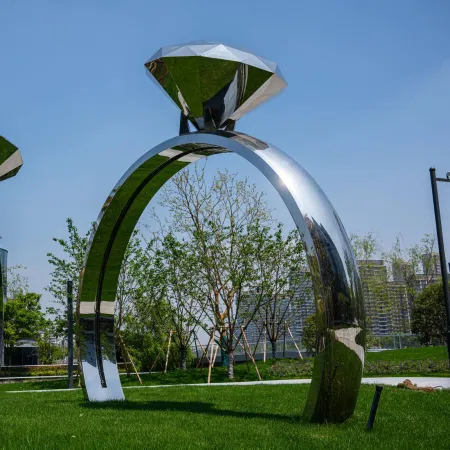
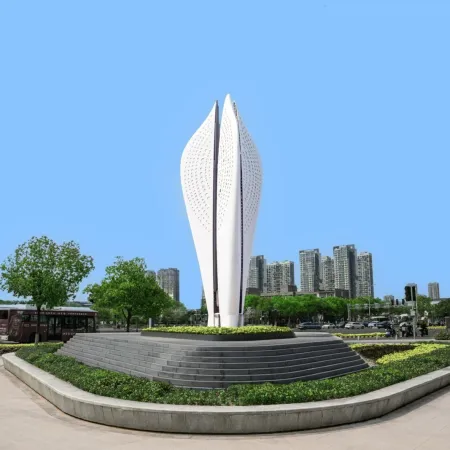
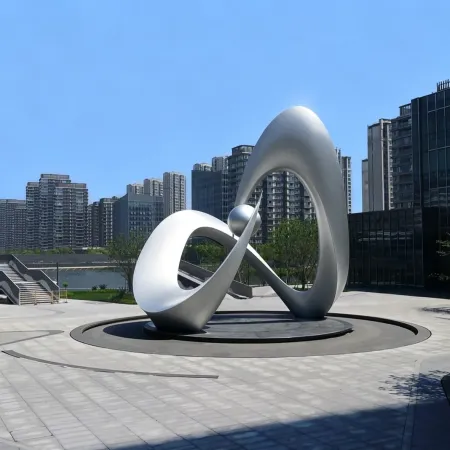
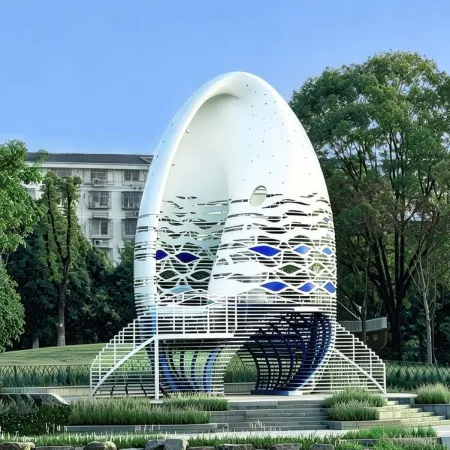
See the work of an integrated studio at Honeycomb Pavilion, Butterfly Dance and Artistic Light Columns.
The Power of the Integrated Studio
A public art installation studio brings the creative and the technical into one room, and that integration changes the quality of everything that emerges. When the artists who conceive a work sit beside the engineers who must make it stand and the makers who will fabricate it, the design is born realistic: the artist learns what the materials can do while the idea is still fluid, the engineer contributes to the form rather than correcting it afterwards, and the maker's craft informs the detailing from the first sketch. Public art is a meeting of vision and physics, and the studio where that meeting happens continuously produces works that a fragmented chain of suppliers cannot match.
The integration also protects the client from the classic failure of public art projects, the blame that flows between separate parties when something goes wrong. In a chain of designer, engineer, fabricator and installer, each link can point to the next when a problem appears, and the client is left to arbitrate between experts who disagree. In an integrated studio, the problem is solved internally by the people who share responsibility for the whole, and the client receives a solution rather than a dispute. For complex public commissions, where the problems are new and the stakes are high, that single point of accountability is the deepest value a studio offers.
Artists Who Understand Making
The artists of a public art installation studio are different from studio artists in a narrower sense, because they design with the knowledge of how things are made. They understand that a form which looks fluid in a sketch must be achievable in steel or bronze, that a surface which glows in a rendering depends on a finish that can be fabricated and maintained, and that a scale which excites on paper must survive the reality of wind and foundation. This knowledge does not constrain their imagination; it focuses it, so that the ideas they propose are ideas that can be realised at full quality rather than dreams that will be compromised in the making.
The client benefits from this in the honesty of the proposals. A studio whose artists know making will tell you early what a concept will demand in engineering and budget, because they have learned to see the whole journey of a work from their side of the table, and the proposals they present are therefore realistic in a way that a pure design studio's can never be. When the client approves a concept from a public art installation studio, they are approving something that has already been tested against the realities of making by people who have made similar works before, and that pre-testing is worth a fortune in avoided surprises.
The Workshop as Part of the Studio
A public art installation studio is defined by its workshop, because the workshop is where the studio's ideas are proved and where its quality is made real. The studio should own the means of making, with the fabrication capacity that public sculpture demands, and the artists should work beside the makers so that the dialogue between design and craft continues through the whole process. When a problem appears in fabrication, the artist is there to solve it with the maker; when the maker sees an opportunity in the material, the artist is there to seize it; and the work that emerges carries the intelligence of both.
The workshop also gives the client something invaluable: the ability to watch the work being made and to visit the place where it is coming to life. The client of a studio can stand in the workshop while the structure of their sculpture is being assembled, can see the finish being applied and can meet the people whose hands are making the work, and that contact builds a confidence that no progress report can replace. The public art installation studio that opens its workshop to its clients is treating them as partners in the making, and that partnership carries the work from concept to completion with a shared sense of pride.
| Studio advantage | What it means for the work | How the client benefits |
|---|---|---|
| Integration | Design and making inform each other | Realistic proposals and fewer surprises |
| Ownership | One team answers for the whole | Solutions instead of disputes |
| Craft | Artists work beside the makers | Detail carried to the highest standard |
| Transparency | The workshop is open to the client | Confidence built by watching the work |
Complex Commissions and the Studio's Depth
Complex public commissions, the kinetic works, the large-scale landmarks, the works that integrate light, movement or interaction, are where a public art installation studio proves its worth. These projects demand that art and engineering develop together from the earliest stage, because the mechanism that moves a kinetic form shapes its appearance, the structure that carries a large landmark determines its possible forms, and the technology that animates an interactive work must be imagined with the work's whole life in view. A studio where these disciplines live together can develop such works as a whole; a chain of separate specialists must hand the work between them, and each handover costs something of the integration.
The client of a complex commission should look for evidence that the studio has delivered works of comparable complexity, and should examine not only the finished works but the engineering and the maintenance that lie behind them. Ask how the studio's kinetic works have performed in their years of public life, how its large works have weathered their sites and how its interactive works are maintained, because a studio that has lived with complex works knows their true demands. The depth of a studio is measured in the works it has carried through complexity and kept alive afterwards, and that depth is exactly what a complex commission needs.
Choosing Between Studio and Coordinator
Clients sometimes choose a coordinator or broker over a public art installation studio, believing they are buying access to many artists or the best prices from many workshops, but the trade-off is rarely worth it. A coordinator adds a layer between the client and the people doing the work, a layer that must be paid, that filters communication and that has no hands in the making; and the prices it obtains from workshops are often matched by a studio that buys its own materials and runs its own floor. For a public commission, where the quality of the integration between design and making decides the quality of the result, the studio's directness is worth more than the coordinator's menu.
The client should also consider the longevity of the relationship. A public work will need its maker after installation, for maintenance, for advice and sometimes for repair, and a studio that made the work with its own hands is a maker that will still be there, with the records and the knowledge to serve it. A coordinator, by contrast, may have moved on to other projects, and the workshop that actually made the work may have no relationship with the client at all. For a work that will stand for decades, the choice between a studio that owns the whole and a coordinator who arranged it is a choice about who will be there when the work needs care.
The Studio Difference
Artists, engineers and makers under one roof
Design born realistic, not compromised later
One team accountable for the whole work
A maker who remains after installation
How a Studio Develops Your Commission
Working with a public art installation studio follows a rhythm that reflects its integrated nature, and the client should understand that rhythm from the start. The journey opens with listening and site study, moves into concept development where the artists propose and the engineers test, and continues into design development where the chosen idea is refined with full knowledge of its making. From there the work passes through engineering, fabrication and installation, with the client invited into the process at the milestones where their eyes add value, and the same team that conceived the work carries it to its site and beyond.
The client should engage with the studio as a partner through this journey, sharing the place and its stories generously, deciding clearly at each gate and visiting the workshop when the work is in making. Our studio has served as a public art installation studio across more than twenty countries since 2003, and the commissions that have given our clients the most pride are those where the partnership was real: where the client's understanding of their place met our understanding of making, and where the work that emerged carried the best of both. That is the promise of the integrated studio, and it is a promise that a fragmented chain of suppliers cannot keep.
Frequently Asked Questions About a Public Art Installation Studio
How is a studio different from a broker?
A studio owns its design and making under one roof, so the people who conceive the work also make it. A broker coordinates other people's work and adds a layer between you and the makers.
Why does integration matter for public art?
Public art must satisfy both vision and physics. When artists and engineers work together from the start, the design is realistic and the making is informed, and the client gets one accountable team.
Should the studio own a workshop?
Ideally yes. An owned workshop keeps the dialogue between design and craft alive through the making, and lets the client watch the work come to life where it is being built.
What kinds of work suit a studio best?
Complex commissions where art and engineering must develop together, such as kinetic, interactive, large-scale and light-integrated works, benefit most from the integrated studio model.
Who maintains the work after installation?
The studio that made it, with the records and knowledge to advise, maintain and repair. A studio remains the maker of its works for their whole public life.
A public art installation studio is the model that carries complex public commissions from vision to reality with the least lost in between, because it keeps the artists, the engineers and the makers in one room and one account. Choose a studio whose artists understand making, whose workshop is open to you and whose delivered works have weathered their public lives, and you will gain a partner who answers for the whole. The public works that endure are those made by people who held the vision and the craft together, and a public art installation studio that does that will deliver a work your place will live with in pride for generations.
Choose a public art installation studio that holds vision and craft together, and your commission will be carried by the people who made it.