How Memorial War Sculpture Carries the Weight of What War Costs
Memorial war sculpture carries the heaviest responsibility in all of public art, because it must hold the memory of the fallen, the grief of families and the gratitude of nations without ever glamorising the thing that caused them. War memorials are built by the living for the living, to honour those who did not come home and to remind those who did of what was paid, and every design decision carries a moral weight that no other commission knows. After more than two decades creating commemorative works across twenty-three countries, I approach every war memorial with the same first question: what does this community need this work to say, and what must it never say?
This guide explores how war memorials are conceived, designed and built with the truth and restraint their subject demands.
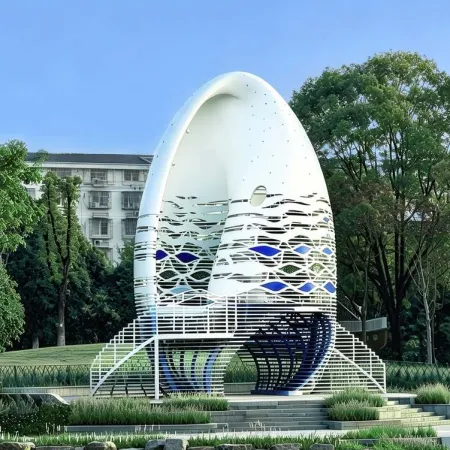
Our commemorative sculpture services carry war memorials from community consultation to unveiling, the Zhang Cangshui portrait shows our approach to a figure of resistance and sacrifice, and the Eye of the Phoenix speaks of renewal rising from trial.
Honour Without Glamour: The First Discipline
The first discipline of memorial war sculpture is restraint, because war memorials must honour the fallen without glamorising war itself. The heroic figure raising a sword, the triumphant general on a rearing horse, belongs to an age that understood war differently, and many communities today want their memorials to speak a more honest language, one that acknowledges courage and sacrifice while never pretending that war is glorious. The designer must find the tone that honours those who served without betraying what they endured.
The discipline of restraint extends to the design process itself. A war memorial should not be rushed, should not be seized by fashion and should not serve the ambition of any single artist, because it belongs to the whole community and to the dead it remembers. The strongest war memorials are often the quietest, the wall of names, the bowed figure, the empty chair, the simple geometry that lets grief speak without decoration, and the designer must have the humility to know when less is more.
The Names: A Community's Roll of Honour
At the heart of most memorial war sculpture stands the roll of names, and the names are the most sacred element the designer will ever handle. Each name is a life, a family, a story that the memorial must hold legible for centuries, and the design of the name wall, its height, its letterforms, its spacing and its material, determines whether the fallen remain individuals or dissolve into a texture. The great name walls make each name findable, touchable and readable, so that a family can stand before their own and be seen.
The verification of the names is a formal obligation that no war memorial can waive. The roll must be established from the official records, checked by the community that holds the memory, and approved letter by letter before a single name is cut or cast, because an error on a war memorial is a public wound that never fully heals. We treat the names on every war memorial as a vow, verified, re-verified and finally set with the certainty that each one is correct.
| Design Approach | What It Expresses | When It Serves Best |
|---|---|---|
| Wall of names | The scale of loss made legible | Communities with many fallen |
| Figurative figure | The human truth of service | Single lives and human dignity |
| Abstract gesture | Grief beyond any single image | Loss that words cannot carry |
| Combined memorial | Names, figure and gesture together | Complex community histories |
Listening to the Veterans, the Families and the Community
A memorial war sculpture belongs to the people who carry the memory of the war, and it must be designed through their voices rather than imposed upon them. The veterans who served, the families of the fallen, the historians who keep the record and the community that will live with the work must all have a genuine part in shaping what it says, and the designer's role is to listen, to synthesise and to give their collective memory a form worthy of it.
The consultation is not a formality but a source of truth. It is in these conversations that the designer learns what the memorial must never do, which symbols carry unintended pain, which words ring false to those who were there, which gestures honour rather than patronise, and that knowledge shapes every line of the work. We treat the community as co-authors of every war memorial we make, because a work they have helped to shape is a work they will protect and pass on.
Materials for the Memory of War
The materials of memorial war sculpture are chosen for permanence, dignity and the ability to carry names and figures without sentimentality. Stone, especially granite, has carried the names of the fallen for centuries and will carry them for centuries more; bronze gives the human figure the dignity of tradition and the detail of real likeness; stainless steel speaks in the contemporary language of many modern war memorials; and weathering steel brings an elegiac tone that resonates with loss and time. Each material must be specified for the site and the climate it will endure.
The craft of the making must match the gravity of the subject. The letters of the names must be cut or cast with absolute clarity, the figure modelled with anatomical truth and emotional restraint, the surfaces finished to carry light and weather with dignity. We fabricate war memorials with the full chain under one roof, because a work that carries a community's roll of honour deserves craft that never delegates the names or the faces to careless hands.
Designing the Place of Remembrance
The place around a memorial war sculpture is part of its meaning, and the design of the work must include the ground it stands on. The annual service needs a forecourt where wreaths can be laid and a community can gather; the individual visitor needs a quiet place to stand before a name; and the approaches should prepare the visitor, slowing the pace and lifting the gaze before the memorial is revealed. We design the memorial and its setting as one composition, working with landscape designers so that remembrance has a worthy stage.
The site itself may carry meaning that the designer must honour. A memorial placed where a community lost its people, where a unit was formed or where the town has always gathered to remember, draws power from the ground beneath it, and the design should respond to that history rather than ignore it. Since 2003 our studio has designed and installed memorial war sculpture across twenty-three countries, and every site has taught us something about how a community wishes to remember its own.
- Honour without glamour: courage and sacrifice, never the glory of war
- Treat the names as sacred: every letter is a life, verified and vowed
- Design with the community: veterans and families are co-authors
- Compose the whole place: the ground of remembrance belongs to the work
A War Memorial Holds What Must Not Be Forgotten
Names that keep the fallen individual and legible
Honour that never glamorises the cost of war
A place for ceremony and for private grief
A vow the community renews each generation
The Annual Service and the Design of Ritual Space
The life of a memorial war sculpture is measured in annual services, and the design of the work must give those rituals a worthy stage. The space before the memorial must hold the gathered community, with a clear focus for the wreath laying, sightlines for the speakers and room for the standard bearers and the guard of honour, and the memorial itself must be composed so that the ceremony can move around and before it without obstruction. A war memorial that cannot host its own service has failed the community that gathers each year.
The ritual space should also leave room for the ceremonies that the community will invent in the future, because remembrance is a living tradition that changes with each generation. We design the memorial and its forecourt together, consulting the veterans and the families about how their services are conducted, so that the work supports the rituals of today and the rituals that have not yet been imagined, and so that every anniversary finds the memorial ready to receive the community's honour.
Frequently Asked Questions About Memorial War Sculpture
How does a war memorial honour service without glorifying war?
Through restraint in the design language, focusing on courage, sacrifice and loss rather than triumph. The quietest memorials often carry the heaviest truth, and the community guides that tone.
How are the names on a war memorial verified?
The roll is established from official records, checked by the community that holds the memory and approved letter by letter before any name is cut or cast. Every name is treated as a vow.
Should a war memorial be figurative or abstract?
Both languages serve different truths. Figures honour individual human dignity; abstract gestures carry loss too large for any single image; many of the strongest memorials combine names, figures and form together.
What materials carry the names of the fallen best?
Granite and stone have carried names for centuries with clarity and permanence; bronze suits figures and reliefs; stainless and weathering steel bring contemporary languages. The site and climate guide the choice.
How should the community be involved in a war memorial?
As co-authors. Veterans, families, historians and neighbours shape the concept, the names, the words and the place, and their approval at every stage makes the memorial truly theirs to protect.
Memorial war sculpture carries the weight of what war costs, and it carries that weight well only when it honours without glamour, verifies every name and listens to the community that holds the memory. Build with restraint, truth and partnership, and your memorial will serve the living and the fallen for generations.
Let our studio help your community create the memorial war sculpture that its fallen and its families deserve.