How to Verify a Metal Sculpture Fabricator Before You Trust One
Choosing a metal sculpture fabricator is the single most consequential decision in a sculptural commission, because the fabricator is the one who turns your approved design into physical reality and every quality that survives into the finished work passes through their hands. The right fabricator makes a good design great and rescues a difficult one, while the wrong fabricator can betray both the art and the budget. Having run a metal sculpture fabricator for more than two decades and delivered work across twenty-three countries, I know exactly what separates the workshops worth trusting from those worth avoiding.
This guide gives designers, artists and commissioning clients a practical checklist for vetting a metal sculpture fabricator.
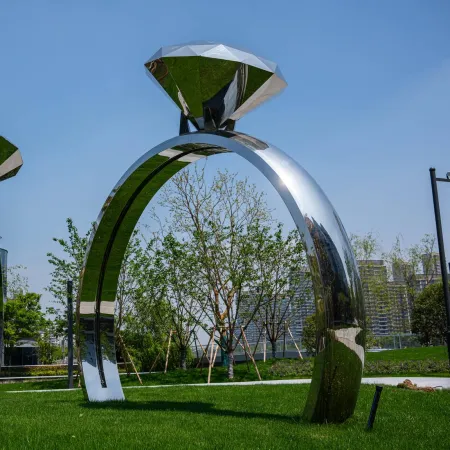
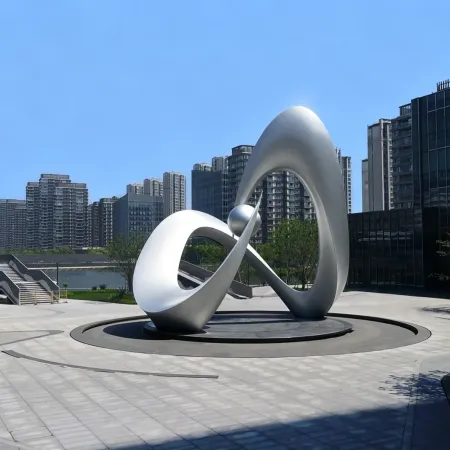
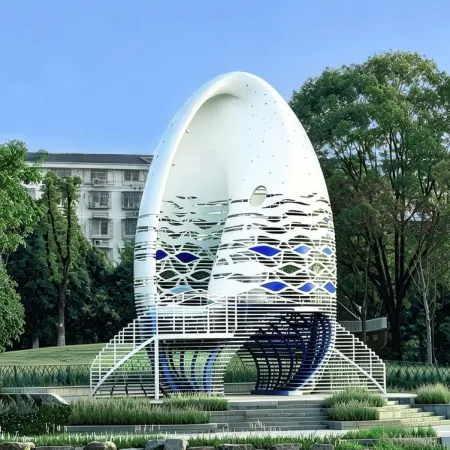
Judge the craft behind The Radiant Galaxy, see precision forming in Artistic Light Columns and study the large-scale cut and welded work of Butterfly Dance.
What a Metal Sculpture Fabricator Must Own
The first test of a metal sculpture fabricator is physical, because capability lives in the plant. A genuine fabricator owns fabrication bays large enough for the work, plate rolling and forming equipment for curved forms, CNC cutting for precision profiles and the welding and finishing stations where the sculpture is completed. When you visit or take a live tour, you should see the machinery in use, not polished for show, and you should see works in progress at every stage of the process.
The workforce is the second half of the physical test. Ask how many welders, fitters and finishers work directly for the fabricator, what their experience is with sculpture rather than structural steel, and who will personally manage your project. Fabrication is craft, and craft lives in specific people, so the fabricator who cannot name the people who will build your work is asking you to trust an abstraction. Trust the workshop you can see and the craftsmen you can name.
Engineering, Tolerances and the Craftsman's Standard
A metal sculpture fabricator is an engineer as much as an artist, because a sculpture that stands in the public realm is a structure with a duty to safety. The fabricator should provide or work with structural engineering that verifies the design, specifying steel grades, connections and foundations appropriate to the site and the loads. Ask to see the engineering documentation from a comparable project and you will learn quickly whether the fabricator builds to a standard or by guesswork.
Tolerances are where sculpture differs from ordinary steelwork, because a building frame can hide a few millimetres while a polished curve cannot. A sculpture fabricator must hold tolerances that keep curves true and surfaces fair across metres of steel, and that discipline shows in the workshop's approach to jigs, templates and measurement. Ask how the fabricator verifies geometry during the build, and whether the finished form is checked against the 3D model before finishing begins.
| Capability | What to inspect | Question to ask |
|---|---|---|
| Forming capacity | Rollers, presses and CNC cutting | Can you form this curve in-house? |
| Welding craft | Direct welders and their experience | Who welds sculpture versus structure? |
| Finishing rooms | Polishing and coating environments | Where is the mirror finish achieved? |
| Quality systems | Checks at each fabrication stage | How is geometry verified mid-build? |
Finishing: The Fabricator's True Signature
The finish is the fabricator's signature, because it is the part of the work that the public touches, photographs and remembers. A mirror-polished stainless surface must be refined through progressively finer stages until reflections run true, a painted surface must be prepared and coated in controlled conditions, and a weathering steel surface must be handled so its patina develops evenly. Ask to see finished work from the workshop, ideally in person, and look at the quality of seams, the fairness of curves and the consistency of the surface.
Finishing also reveals how the fabricator thinks about the work after it leaves the shop. A responsible metal sculpture fabricator protects the finish for transport, provides care guidance for the owner and specifies materials with maintenance in mind. When you see a workshop that treats the finished surface with respect, protecting it, handling it carefully and planning for its journey, you are seeing a fabricator who understands that the work is not finished until it is installed and looking its best.
- Inspect the plant: machinery in use and works in progress
- Name the craftsmen: people, not abstractions, build your work
- Demand engineering: structure is verified, never guessed
- Judge the finish: seams and surfaces reveal the true standard
The Fabricator as Partner From Design to Site
The best relationships with a metal sculpture fabricator begin early, when the design can still benefit from the fabricator's knowledge of what steel can do. Fabricators who are consulted during design save their clients money and disappointment, because they flag buildability issues before they become expensive, recommend materials and finishes that will survive the site, and plan section sizes around transport and erection from the start. Early engagement turns the fabricator into a partner rather than a vendor.
That partnership should continue through installation, because the fabricator who built the sections is the best guide to joining them true on site. Many fabricators provide installation drawings, supervise local contractors or erect the work with their own crews, and the client who secures that continuity avoids the classic failure where a sculpture is damaged during erection by people who did not build it. Ask every candidate how installation is handled, and treat the answer as part of their capability.
When Your Project Needs a Dedicated Fabricator
Artists and designers often need a metal sculpture fabricator to build work they have designed themselves, and the fabricator's role then is to serve the design with complete fidelity while contributing honest engineering advice. The best fabrication relationships in this model are built on mutual respect, the artist trusts the fabricator's craft, and the fabricator honours the artist's intent, so the finished work belongs fully to its creator. Clients commissioning through such relationships should verify that the fabricator has real experience realising other artists' designs.
For commissioning clients without an in-house designer, a studio that unites fabrication with in-house design offers the same craft with the added security of a single accountable team. Yifeng Sculpture operates in exactly this way, with academy-trained artists and engineers working beside the fabrication crews in our own workshops since 2003. Whether we develop the concept or fabricate a design you bring, the work is built by the same hands and held to the same standard.
- Engage early: fabricators save cost when consulted at design
- Extend to the site: installation continuity protects the work
- Honour the design: artists' concepts built with full fidelity
- Unite when needed: one team when design and build combine
Fabricator Verification at a Glance
Workshops seen live, works in progress
Direct craftsmen who can be named
Engineering records that can be read
Finishes judged in the finished work
The Questions That End the Vetting
Close the vetting of any metal sculpture fabricator with questions about accountability. Ask what happens if the finish is rejected, who pays if a section is damaged in transit, and how the fabricator handles a problem discovered after installation. The answers separate fabricators who own their work from those who disappear when the invoice is paid, and they should be reflected in the contract before any deposit changes hands.
A serious fabricator will welcome these questions and answer them in writing, because its reputation is built on exactly the accountability the questions test. When the workshop, the craftsmen, the engineering, the finish and the accountability all check out, you have found a metal sculpture fabricator you can trust with your work. When any one of them fails the test, keep looking, because the right fabricator is out there, and your sculpture deserves them.
Frequently Asked Questions About Choosing a Metal Sculpture Fabricator
What separates a sculpture fabricator from a steel workshop?
Sculpture fabrication demands tighter tolerances, finer finishing and a respect for artistic intent that structural steelwork does not require. The plant may look similar, but the craft, the standards and the experience are different.
Do we need a fabricator with its own workshops?
For serious work, yes. Owned workshops mean direct control over quality, schedule and corrections, and they are the evidence that the fabricator actually builds rather than resells other shops' output.
Can a fabricator build a design from another artist?
Yes, and many do so with complete fidelity. The fabricator should have experience realising other artists' designs, raise buildability concerns honestly and protect the design's exclusivity in writing.
How do we verify quality before the work ships?
Through approval gates during fabrication, live or recorded walkthroughs of the finished work, and third-party inspection where the project justifies it. A confident fabricator agrees to verification at every stage.
What if we need fabrication and installation together?
Many fabricators provide full installation support, from drawings for local contractors to erection by their own crews. Confirm the installation scope and accountability in the contract before fabrication begins.
A metal sculpture fabricator is the guardian of your design's journey into steel, and the choice deserves the same rigour as the design itself. Inspect the plant, name the craftsmen, read the engineering and judge the finish, and the fabricator you choose will honour your work.
Tour our workshops and let our metal sculpture fabricator quote your project with confidence.