What Custom Public Art Design Really Involves From Brief to Unveiling
Custom public art design is the process of turning a site, a community and an ambition into a single work of art that belongs to one place alone, and it is both more demanding and more rewarding than choosing from a catalogue. A custom work carries the risk of creation, the possibility that the idea will not work, and the reward of a piece that could exist nowhere else, and understanding the journey is what lets a client share the risk intelligently and enjoy the reward fully.
This guide walks through the stages of custom public art design, the decisions a client will face at each stage and the habits of studios that deliver original public works reliably and well.
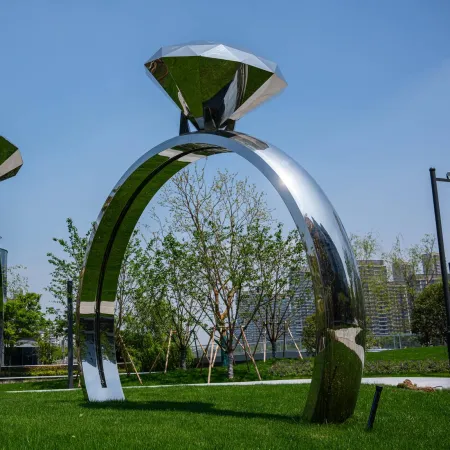
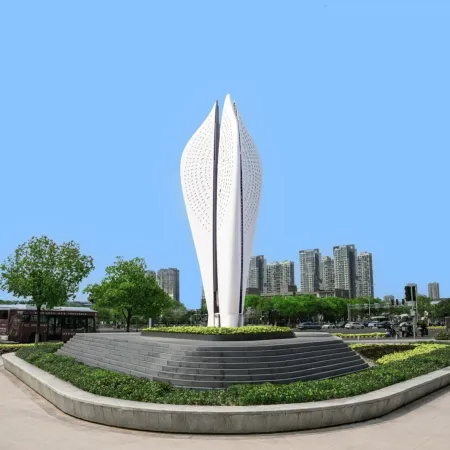
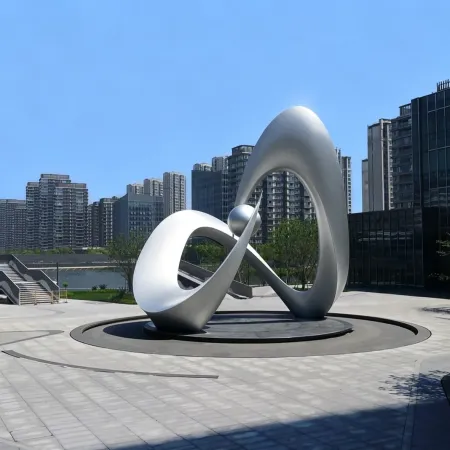
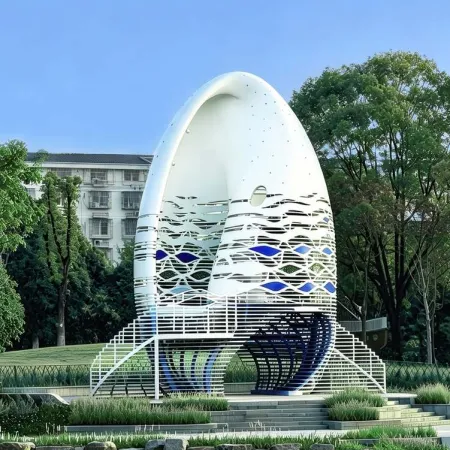
See original works born from their places in Homing Nesting, Peach Blossom and Fishbone Corridor.
The Brief: Where Good Custom Work Begins
Custom public art design lives or dies on the quality of the brief, because a vague brief invites a vague proposal and a sharp brief attracts a sharp one. The brief should say what the place is and who uses it, what the work must do, whether it should mark an entrance, calm a waiting area, celebrate a history or challenge a community, what the constraints are, the budget, the timeline, the planning context and the maintenance capacity, and what the client hopes the work will mean in ten years. The best briefs also say what the client does not want, because knowing what to avoid is as useful to a designer as knowing the destination.
A good studio will not simply accept the brief and disappear; it will interrogate the brief, testing its assumptions and drawing out the ambitions behind it. The studio should visit the site, walk the routes, feel the scale and meet the people who will live with the work, and it should come back with questions that sharpen the client thinking. If a studio produces a polished proposal without ever asking a searching question about the place, it is probably proposing a design it has proposed before, and that is not custom public art design at all.
| Stage | What happens | The client decision |
|---|---|---|
| Site reading | The studio studies place and people | Sharing the real ambitions and limits |
| Concept | Several directions offered, not one | Choosing the idea the place deserves |
| Development | Scale, material and detail resolved | Approving the resolved design |
| Delivery | Engineering, fabrication, installation | Inspecting at the agreed gates |
Concept: Many Ideas, One Choice
The concept stage is where custom public art design earns its name, and a confident studio offers the client a genuine choice between directions rather than a single fait accompli. Each concept should grow from a different reading of the site, one that celebrates its history, one that responds to its architecture, one that engages its community, one that plays with its light or water, and each should be presented with enough clarity, sketches, models, reference imagery and honest discussion of cost and risk, for the client to judge what it would truly be like to live with. The choice between concepts is the most important creative decision of the whole project, and it belongs to the client.
Choosing well is not about picking the prettiest image; it is about picking the idea with the deepest fit. The client should ask of each concept whether it will still feel right in ten years, whether it speaks to the people who will actually use the place, whether its materials and maintenance suit the community budget, and whether the client can defend it when the first criticism comes, because every public work attracts criticism and the client must believe in the idea enough to stand by it. The studio should advise honestly, naming the concept it believes strongest and why, while respecting that the final choice carries the client name.
Development: Turning an Idea Into a Buildable Work
Once a concept is chosen, custom public art design moves into the discipline of development, where the poetry of the idea meets the prose of engineering. The chosen concept must be resolved at full scale, its proportions tested against the site, its materials selected with certificates and reasons, its structure engineered for wind, load and foundation, its surface finished for the climate, its lighting designed if it has lighting and its maintenance planned with the people who will care for it. This is the stage where weak concepts are exposed, because an idea that cannot be engineered, built, transported and maintained is an idea that was never finished, whatever its sketch looked like.
The client role in development is to approve with understanding rather than to micromanage. The studio should present the resolved design through drawings, material samples and scale models, and the client should test it against the memory of the concept they chose, asking how each change serves the original idea. This is also the moment to lock the budget honestly, because development reveals the true cost of the ambition, and a responsible studio will flag cost pressures early with options, a simpler finish, a different material, a smaller scale, rather than letting the work shrink silently to fit the figure.
Community Engagement That Makes the Work Better
Custom public art design is never complete until the community has had its say, because a public work belongs to the public and its success depends on their response. Engagement should happen early enough to shape the work, with workshops, open sessions and honest listening that treat the community as a source of insight rather than an obstacle to be managed; residents know their place in ways no studio can learn from a site visit alone, and their stories, fears and hopes regularly improve the concept. The studio should be clear about what is open to change and what is fixed, so the engagement builds trust instead of false expectations.
The reward of genuine engagement is adoption. A community that has shaped a work arrives at its unveiling already owning it, defending it against criticism, protecting it from damage and weaving it into the stories they tell about their place; a community that first sees the work on installation day starts from suspicion and must be won over slowly, if ever. The studios that deliver the most loved public works are consistently the ones that treat engagement not as a compliance step but as a creative resource, and the client who insists on it is protecting the work long before it is built.
The Shape of a Successful Commission
A sharp brief that says what the place needs and fears
A genuine choice between several distinct concepts
Honest development of cost, material and engineering
Engagement that makes the community co-author
Delivery: Protecting the Idea to the Last Day
The delivery of custom public art design is where the studio discipline shows, because a beautiful idea can be lost in a careless fabrication or a rushed installation. The work should be built to the approved design with material certificates and inspection points, protected through transport, installed on foundations engineered for the site and handed over with the documentation that lets the owner care for it, and the studio should remain accountable after the unveiling, returning for the first maintenance season and standing behind the warranty. The client should expect to inspect at agreed gates rather than trusting to hope, because inspection is what catches problems while they are cheap.
Every stage of delivery should trace back to an approval the client actually gave, which is why documentation matters as much as craft. The record of decisions, the material choices, the engineering assumptions and the inspection results is the map that lets future maintainers, future funders and future generations understand the work, and it is the evidence that protects both sides if a dispute arises. Our studio has taken custom works from brief to unveiling across more than twenty countries since 2003, and the commissions that went smoothly were the ones whose clients understood their role in each stage, deciding with clarity, inspecting with care and trusting the process they had chosen.
Frequently Asked Questions About Custom Public Art Design
How is custom public art design priced?
Usually in stages: concept and design fees, then engineering and fabrication, then installation. A transparent studio presents the full picture early and flags cost pressures with options instead of hiding them.
How many concepts should a studio present?
Typically three or more distinct directions. If a studio offers only one idea without searching questions about your site, ask whether the proposal is truly original or simply recycled.
What if we do not like any of the concepts?
Say so, and say why. Good studios expect iteration and treat honest rejection as information. The contract should define how many concept rounds are included before additional fees apply.
Who owns the design when the commission ends?
The contract should transfer the design and reproduction rights to you while the artist keeps moral rights. Settle this in writing before fabrication, not after the unveiling.
How long does a custom public work take?
From several months to over a year depending on scale, material and approvals. A staged schedule with clear gates lets you track progress and decide at the moments that matter.
Custom public art design is a partnership in creation, and it rewards the client who engages with each stage, who writes a sharp brief, chooses between real concepts, approves with understanding and inspects with care. The work that results carries the risk of originality but also its reward: a piece that belongs to its place, its community and its moment, that could exist nowhere else and that will be measured in decades. Every stage of the journey is a decision, and every decision is a chance to make the work truer to the place it serves.
Begin custom public art design with a studio that will interrogate your brief, and your commission will carry your place story into the future.