What an Outdoor Large Scale Sculpture Contractor Must Deliver
An outdoor large scale sculpture contractor carries a responsibility that no gallery supplier will ever know: taking a monumental artwork from drawings and foundations to a finished installation that stands safely in the open for decades. The contractor is the bridge between the artist's vision and the reality of wind, weather, cranes, concrete and public safety, and when that bridge is weak the whole commission fails, no matter how brilliant the design. After more than a decade delivering outdoor large scale sculpture across twenty-three countries, I have learned that the contractor's competence decides the fate of more public art than any other single factor.
This guide explains the disciplines a true contractor must command and how to verify them before you trust one with a monumental commission.
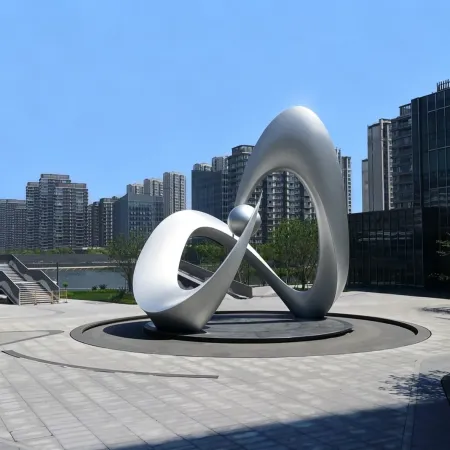
Our design and installation services describe the contractor role we play, the installed works archive documents completed outdoor commissions, and the Butterfly Dance shows a large outdoor work delivered and installed for a public site.
The Contractor Is More Than a Supplier
The difference between a sculpture supplier and an outdoor large scale sculpture contractor is the difference between delivering a crate and delivering a standing work. A supplier's responsibility ends at the workshop door, but a contractor's responsibility runs through the foundation design, the transport, the cranage, the site works, the erection and the final handover, and it carries the engineering and safety obligations that public installation demands. When a commission fails, it is usually not the art that failed but the contracting, and the client who understands this chooses a contractor with the same care as the sculptor.
The contractor must also speak both languages of a monumental commission, the language of the artist and the language of the site engineer. It must protect the artistic intent while satisfying the structural requirements, the planning conditions and the safety regulations that govern public works, and it must translate between the two worlds when they conflict. A contractor that understands sculpture will find ways to preserve the art within the engineering, while one that only understands construction will sacrifice the design to the easiest build, and the difference is visible in every completed work.
The Disciplines a True Contractor Commands
A genuine outdoor large scale sculpture contractor must command a set of disciplines that most single firms lack. It must understand structural engineering well enough to coordinate foundations and connections with the design; it must manage logistics, from seaworthy packing to oversized transport to the customs of international borders; it must plan cranage and site access so that heavy sections arrive and lift safely; and it must run the installation itself with crews who have erected monumental works before. Each discipline is a place where things can go wrong, and the contractor that masters all of them protects the client from every one.
The contractor should also hold the full chain from workshop to site, because every handoff between separate firms is a place where quality and accountability leak away. When the same organisation that engineers the work also packs it, ships it, cranes it and erects it, there is one standard, one schedule and one responsible party, and the client is never left listening to several companies blame each other. This is the model our studio follows, and it is the model we believe every monumental commission deserves.
| Discipline | Responsibility | Risk if Weak |
|---|---|---|
| Engineering | Foundations, structure and connections | Structural failure and approval delays |
| Logistics | Packing, shipping and customs | Damage, delay and lost cargo |
| Cranage | Lifting plans and site access | Accidents and damaged sections |
| Installation | Erection and final alignment | Poor finish and misalignment |
Foundations: Where the Work Truly Begins
The installation of an outdoor large scale sculpture begins underground, and the foundation is the contractor's first responsibility. The contractor must work with the site engineer to design a foundation that carries the weight and the wind overturning forces of the sculpture, respects the ground conditions and any buried services, and satisfies the local authority's requirements. The foundation must also be placed accurately, because a mistake of centimetres in the concrete will become a visible error in the finished sculpture that no amount of adjustment can fully hide.
The connection details between foundation and sculpture are where theory meets practice. Holding-down bolts, base plates, levelling systems and the sealing of the interface must all be designed and executed so that the sculpture stands plumb, drains correctly and can be maintained or removed in the future. A contractor with deep installation experience brings proven details to this moment, while one without it improvises on the most important joint of the entire project, which is why the foundation stage deserves as much scrutiny as the art itself.
Transport and Cranage: Moving the Monument
Moving a monumental sculpture from workshop to site is an operation that demands planning worthy of a military campaign. The work must be packed in cradles engineered for the voyage, loaded onto transport that can carry its weight and dimensions, moved through ports and customs with correct documentation, and delivered to a site where access has been verified for the trucks and cranes required. Each stage has its own risks, from vibration damage at sea to low bridges on the final road, and an experienced outdoor large scale sculpture contractor has managed all of them many times.
Cranage is the most visible and most dramatic stage of installation. The contractor must select cranes of sufficient capacity and reach, plan the lifts so that every section can be placed without damage, and supervise the rigging so that the sculpture is never subjected to forces it was not designed to bear. The erection of a large outdoor work is a moment of high risk and high drama, and it belongs in the hands of crews who have lifted monumental sculpture before, because there is no rehearsal and no second chance if a lift goes wrong.
- Engineer the foundation: the work begins underground
- Plan every lift: cranage has no rehearsal and no second chance
- Hold the chain: one contractor from workshop to site
- Protect the intent: engineering must serve the art
A Serious Contractor Protects Your Commission
Engineering that satisfies every authority
Logistics that deliver the work undamaged
Installation crews with monumental experience
One accountable partner from start to handover
Verifying a Contractor Before You Commit
Before trusting an outdoor large scale sculpture contractor with a monumental commission, verify the claims that matter. Ask to see delivered installations of comparable scale, not renderings, and where possible speak to the owners or site engineers of those works; ask who will lead the installation and confirm that the named crew has erected monumental sculpture before; and review the contractor's engineering and logistics documentation to confirm that the disciplines are real rather than advertised. A contractor that has done this work before will welcome every question.
The contract should also reflect the full scope of the contractor's responsibility. It should define the engineering deliverables, the inspection points, the transport terms, the installation schedule, the safety obligations and the handover criteria, and it should tie payment to milestones that can be verified on site. Since 2003 our studio has contracted, delivered and installed outdoor large scale sculpture across twenty-three countries, and we put the full scope of that responsibility in writing, because a monumental commission deserves a contract as serious as the work itself.
Frequently Asked Questions About an Outdoor Large Scale Sculpture Contractor
What exactly does a sculpture contractor do?
A contractor carries a monumental work from drawings to standing installation: engineering, foundations, transport, cranage, erection and handover, holding the responsibilities that a pure art supplier never takes on.
Why can't the artist or studio handle installation alone?
Monumental installation demands engineering, logistics, cranage and site management that many studios do not possess. A contractor supplies those disciplines while protecting the artistic intent of the work.
Who designs the foundation for a large sculpture?
The contractor coordinates the foundation design with the site engineer, calculating the loads and ground conditions and satisfying the local authority. Accuracy here is critical to the finished work.
How do you move a sculpture that is too large for a road?
Monumental works are fabricated in sections, transported on engineered cradles and re-erected on site. The contractor plans the transport route, the access and the cranage before anything moves.
What should the installation contract include?
Engineering deliverables, inspection points, transport terms, installation schedule, safety obligations and handover criteria, with payment tied to verifiable milestones on site.
An outdoor large scale sculpture contractor is the quiet guarantor of every monumental commission, the team that turns a beautiful drawing into a standing work that the public can trust. Choose a contractor with proven installations, real engineering and crews who have done it before, and your sculpture will rise safely and stand for decades.
Let our studio act as your outdoor large scale sculpture contractor, and we will carry your work from foundation to finished landmark with the discipline it deserves.