Why Environmental Stainless Steel Art Keeps Its Mirror in the Landscape
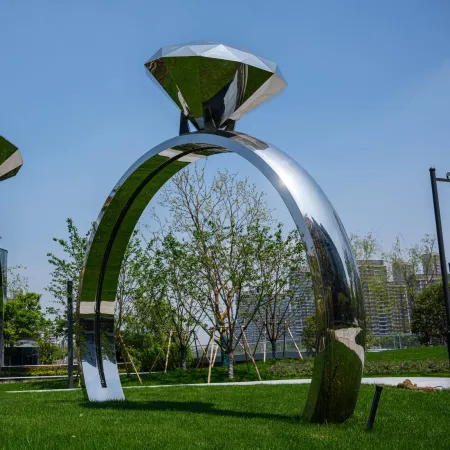
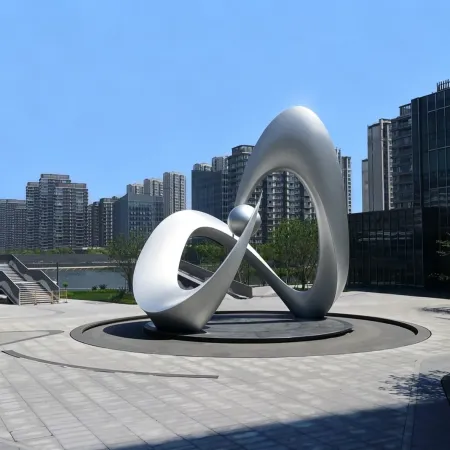
Environmental stainless steel art endures because the material does what no painted surface can: it lets the landscape paint the work, reflecting sky, trees and passers-by in a mirror that stays bright for decades when the grade, the finish and the detailing are specified correctly. I have fabricated stainless public sculpture for more than a decade, and clients are always surprised by how much discipline sits behind the apparently simple mirror surface. This guide explains what makes stainless steel the defining material of modern environmental art and how to commission a stainless piece that keeps its brilliance outdoors.
We will look at the grades and finishes, the mirror-making craft, the engineering that keeps large surfaces true and the care that keeps the reflection alive.
Our services page explains our stainless capability, the project archive shows stainless works in their landscapes, and the Fish Swarm kinetic piece shows polished stainless in constant outdoor motion.
Choosing the Right Grade for the Environment
Environmental stainless steel art begins with the grade, and the grade must be chosen for the site. The common 304 alloy serves most inland and urban environments well, but coastal air and winter road salt demand higher-alloy stainless such as 316 or marine-grade material, because salt attacks standard grades and causes the pitting and rust streaking that ruin mirrors. The studio should ask where the work will stand and specify accordingly, and should provide material certificates so the client knows exactly what was supplied. A stainless sculpture is an investment in decades, and the difference between grades is the difference between a mirror that lasts and a mirror that weeps rust.
The Mirror Is Made, Not Bought
A true mirror finish on an environmental sculpture is the product of a demanding sequence of grinding and polishing that removes every weld mark, scratch and imperfection before the final buffing stages. The process is where most stainless failures hide, because a surface that looks smooth in the workshop can reveal every flaw once it stands in open light, and no amount of polishing later can fix a weld that was ground too aggressively or a sheet that was scratched before assembly. The client should approve finish samples on real material before production and should visit or video-inspect the polishing stage, because the mirror is the art and its quality is decided by craft that photographs cannot capture.
| Stainless Finish | Visual Character | Best Use |
|---|---|---|
| Mirror polish | Full reflection of the landscape | Landmark and statement works |
| Satin brush | Soft, low-glare texture | Residential and intimate sites |
| Perforated | Patterned light and shadow | Screening and canopies |
| Coloured / coated | Tinted reflections, colour range | Brand and artistic statements |
Engineering Large Surfaces That Stay True
Mirror surfaces are brutally honest about structure: any distortion, oil-canning or uneven support becomes visible as a wobble in the reflection. Environmental stainless steel art therefore demands engineering that keeps large surfaces flat and true, with internal frames, stiffening and controlled welding sequences that prevent heat distortion. The fabrication drawings must specify how panels are supported and joined so the mirror stays calm across the whole form, and the workshop must have the experience to weld thin polished sheet without pulling it out of true. When you evaluate a studio, ask how it controls distortion on large stainless surfaces, because that answer separates mirror-makers from sheet-metal shops.
The Landscape Paints the Work
The genius of stainless in environmental art is that the work is never finished, because the landscape repaints it with every cloud, every season and every passing visitor. A mirror form compresses the world around it, bending trees and buildings into its curves, so a sculpture that reflected a bare winter garden becomes a different work when the leaves return. Designers use this quality deliberately, shaping surfaces to compress, stretch or fragment the reflections and placing the work where the landscape offers the richest imagery. This dialogue between metal and environment is why mirror stainless remains the defining material of contemporary environmental art.
- Grade for the site: 316 or marine alloys where salt threatens the mirror
- Sample approval: the actual finish approved on real polished metal
- Distortion control: engineering that keeps large mirrors calm and true
- Care planning: a realistic cleaning regime agreed before handover
Signs of a Serious Stainless Studio
It asks about your distance from the sea
It shows you polishing work in progress
It explains how it controls distortion
It volunteers the care regime honestly
Caring for the Mirror Through the Years
A stainless mirror keeps its brilliance with care that is simple but must be planned. Regular cleaning removes the deposits that dull the surface, and in coastal or urban sites a more frequent regime prevents staining before it begins. Drainage must be detailed so water does not sit and dry in streaks, and any minor scratches can be dressed by a skilled finisher. The studio should hand over a care guide with realistic intervals and simple methods, and should be honest that a mirror demands more attention than a satin or textured finish. Clients who understand that trade-off choose their finish with open eyes and enjoy their mirror for decades.
Fingerprints, Cleaning and Setting Realistic Expectations
The honest conversation about mirror stainless is that it shows everything, including the fingers of the people who cannot resist touching it, and clients who understand this from the start make better decisions about where and how to use the finish. A mirror work in a busy public space will collect fingerprints and smudges that are easily cleaned but need cleaning on a realistic schedule, while the same finish in a more formal setting stays pristine with far less attention. The design can also manage the expectation, using mirror on upper surfaces that few can reach and textured or satin finishes at hand height, or embracing the patina of touch as part of the work life. The studio should present this trade-off honestly with the proposal, not after installation.
The cleaning regime itself is simple, mild detergent, soft cloths and regular rinsing, but it must be planned and budgeted like any maintenance. We hand over a care guide with every stainless commission, specifying the safe products, the intervals and the method for dressing minor scratches, and we advise clients on the finish choice that matches their maintenance capacity. When the expectations are set honestly, the mirror becomes a source of daily pleasure rather than a source of anxiety, and the work is cared for consistently because the care is easy. Stainless that is specified, crafted and maintained with this honesty does not just keep its mirror; it keeps the trust of the people responsible for it, which is the foundation of every lasting public work.
For sites where a full mirror would demand more care than the owner can sustain, the design can mix finishes to keep the best of both worlds, reserving the mirror for the surfaces that define the silhouette while using satin or textured treatments where hands will reach. This combination keeps the landmark presence of polished stainless while making the daily care realistic, and it is a conversation we have with every client before the finish is frozen. The choice should follow the site life, a formal corporate setting may sustain a full mirror, while a busy family park is better served by a more forgiving surface with mirror accents above reach. When the finish strategy is matched honestly to the maintenance reality, the work stays beautiful because the care stays possible.
Frequently Asked Questions About Environmental Stainless Steel Art
Does stainless steel rust?
Stainless is corrosion-resistant rather than corrosion-proof. The right grade for the environment resists attack for decades, while the wrong grade in coastal salt can pit and stain. Correct specification and drainage are what keep stainless truly stainless.
Which finish should we choose for our site?
Mirror polish gives the full reflection and demands more care; satin gives a soft glow with less maintenance. Choose by the visual ambition and the maintenance your team can sustain, and approve samples before production.
How is a mirror finish actually achieved?
Through successive grinding and polishing stages that remove every weld mark and scratch before final buffing. It is skilled handcraft supported by machinery, and its quality is judged on real material in open light, not in photographs.
Can stainless be combined with other materials?
Beautifully. Stainless pairs with weathering steel, stone, water and planting, and the mirror can be set against textured or coloured neighbours. The junctions need careful detailing to avoid galvanic corrosion between dissimilar metals.
How do we verify the stainless grade after delivery?
Demand material certificates as part of the handover pack. A serious fabricator supplies certificates tracing the alloy to its mill, so you can verify that the grade you paid for is the grade standing in your landscape.
Environmental stainless steel art rewards the disciplines of grade, craft and care, and at its best it becomes a living mirror of the landscape, changing with every sky and season while its own brilliance never fades. Since 2003 our studio has fabricated stainless environmental art delivered across twenty-three countries, with the polishing craft, the distortion control and the engineering honesty that mirrors demand. That is the standard we bring to every stainless commission.
Tell us about your site and your vision, and we will show you what environmental stainless steel art can reflect back at the world.