How to Choose a Public Art Sculpture Supplier That Actually Delivers
A public art sculpture supplier is a procurement relationship as much as a creative one, and clients who treat the choice with the rigour of any serious vendor selection, qualifications, references, contracts, inspection and delivery terms, get reliable partners while those who choose on beauty alone get educated by experience. The sculpture is the product, but the supplier is the risk, and the risk must be managed.
This guide explains how to select a public art sculpture supplier, from the request for quotation through the contract to the delivery and acceptance, and how to build a relationship that serves clients who commission repeatedly. Our studio has supplied more than 3,000 installed works across 23 countries since 2003, to developers, architects, agencies and institutions, and we write this from both sides of the procurement table.
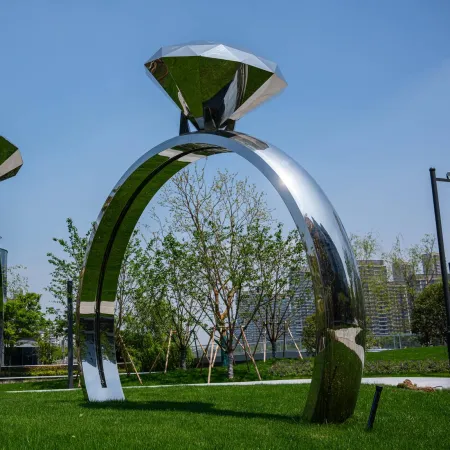
See what a full supplier offers through our services, the supplied range in the project gallery and a supplied landmark like Butterfly Dance.
Qualifying Suppliers Before the Quotation
The selection of a public art sculpture supplier should begin with qualification, not quotation, because a price is only meaningful when the party quoting can actually deliver the work. The qualification should confirm relevant experience, works of similar scale and material installed in real sites; production capacity, the floor, the equipment and the team; financial stability, since a supplier who fails mid-project leaves the client stranded; and references, which should be called and the questions asked about schedule, quality and communication.
Qualification is also the moment to test responsiveness, because the supplier's behaviour during the sales process predicts their behaviour during the project. Does the studio answer questions promptly and specifically? Do they visit the site or request the information a serious maker needs? Do they push back honestly where the brief is unrealistic? A supplier who is attentive, curious and candid before the contract is very likely the same after it, and those qualities are worth more than a low number on a spreadsheet.
| Selection step | What to verify | Red flag to avoid |
|---|---|---|
| Qualification | Relevant delivered works | Portfolio of unrelated work |
| Capacity | Floor, equipment, team | Vague about the workshop |
| Quotation | Itemised and complete scope | One number, vague scope |
| Contract | Terms, milestones, inspection | Handshake and hope |
| Acceptance | Inspection before acceptance | Payment before verification |
The Quotation: Reading Between the Lines
A quotation from a public art sculpture supplier should be read as a statement of understanding, because what is omitted tells as much as what is priced. A serious quotation itemises the scope: design development, engineering, materials, fabrication, finishing, crating, transport, foundations, installation and the documentation, so the client can see where the money sits and compare suppliers on the same basis. A quotation that offers one round number for a complex public sculpture has either guessed or hidden something.
The assumptions behind the price should be explicit. What material grade is specified and what does it assume about the site climate? What transport is included and to which point of delivery? Who installs and who supervises? What is excluded, foundations, power supply, permissions, and who carries those? When suppliers quote on identical assumptions, the comparison is honest, and when the assumptions differ, the client can see exactly where the difference lies and question it.
Contracts, Milestones and the Payment Structure
The contract with a public art sculpture supplier should protect both parties through the natural risks of a custom fabrication. It should fix the scope, the schedule, the quality standard and the inspection rights, and it should tie payments to milestones that the client can verify, a deposit with the order, a stage payment at design approval, a stage payment at inspection, and the balance on delivery or acceptance. Payment tied to verifiable progress aligns the supplier's incentive with the client's interest.
The contract should also handle the changes that every real project brings. A formal change process, pricing each variation with its schedule impact before approval, keeps the budget transparent, and a defined dispute path, escalation to named people before lawyers, keeps problems solvable. Clients sometimes fear that contracts signal distrust, but the opposite is true: a supplier who welcomes a clear contract is confident in their delivery, and clarity is the foundation of the trust that a long relationship needs.
- Qualify before quoting, on delivered evidence, not promises.
- Demand itemised quotations so comparisons are honest.
- Fix the assumptions, material, transport, installation, exclusions.
- Tie payments to milestones the client can verify.
- Write the change process so the budget never drifts.
What Supplier Discipline Secures
A comparison made on honest terms
A budget protected by clear scope
Payments tied to verifiable progress
A relationship built for the long run
Delivery, Acceptance and the Long-Term Relationship
Acceptance is the moment a public art sculpture supplier proves the delivery, and the client should inspect before signing. For works that travel, the inspection happens in two stages, at the factory before shipment and on site after installation, and the client should reserve the right to reject work that does not match the approved standard. The supplier should document the acceptance with records of the inspection, the commissioning and the care handover, so the client owns a complete file rather than a sculpture alone.
Clients who commission repeatedly should evaluate the supplier as a partner rather than a one-off vendor. The best relationships reward both sides: the client receives priority scheduling, consistent quality and a supplier who understands their taste, while the supplier gains a predictable pipeline and the satisfaction of work that returns. After more than 3,000 delivered works, many of our commissions come from clients who first bought one sculpture and stayed for the partnership, which is the truest measure of a supplier who actually delivers.
Managing Risk Across the Sculpture Supply Chain
Procuring sculpture from a supplier means managing a supply chain with real risks, and the client should understand where they sit and how the contract handles them. Material prices move, currencies fluctuate, freight schedules slip and production capacity tightens at busy times, and each of these can touch a custom fabrication that has no substitute source. The quotation and the contract should state clearly what is included, in which currency, valid for how long and subject to which adjustment, so that a price rise or a delay is governed by an agreed rule rather than by surprise.
The client can also reduce risk through its own behaviour and the supplier's. Ordering early locks materials and workshop capacity; paying by milestones rather than in advance keeps leverage where it protects the client; inspecting before shipment catches defects while correction is cheap; and retaining a sensible balance until acceptance gives the supplier a reason to finish well. Insurance should be verified on both sides, for the work in the workshop and in transit, and the delivery terms should name the point at which risk passes from the supplier to the client. A public art sculpture supplier who discusses these risks openly and writes them into fair terms is a partner; one who waves them away is asking the client to carry them silently, and that asymmetry is a risk in itself.
The delivery terms should also define acceptance so that both sides know what a finished delivery looks like. The agreement should state the inspection points, the documentation the supplier must provide with the work, the criteria by which the client will accept or reject it and the remedy if the work does not meet the standard, so that a disagreement is resolved by the contract rather than by argument. The client should receive a complete file with the delivery, the material certificates, the inspection records, the as-built notes and the care documentation, because that file is what makes the sculpture maintainable and the relationship auditable. A public art sculpture supplier who defines acceptance clearly and documents every delivery is treating the client as a long-term partner, and partnerships built on that clarity are the ones that survive the inevitable difficulties of custom making.
Frequently Asked Questions About Choosing a Public Art Sculpture Supplier
How do I qualify a sculpture supplier?
Verify relevant delivered works, production capacity, financial stability and references, and test responsiveness during the sales process itself.
What should a quotation include?
An itemised scope with explicit assumptions about material, transport, installation and exclusions, so suppliers can be compared on the same basis.
How should payments be structured?
Tied to verifiable milestones, deposit on order, stage payments at design and inspection, and the balance on delivery or acceptance.
When should I inspect the work?
At the factory before shipment and on site after installation, reserving the right to reject work that does not match the approved standard.
How do I build a long-term supplier relationship?
Choose a supplier who delivers consistently, communicates honestly and learns your taste, then reward the partnership with repeat and referral work.
Choosing a public art sculpture supplier is a procurement decision that deserves the same rigour as any critical vendor selection. Qualify on delivered evidence, demand itemised quotations with explicit assumptions, contract with verifiable milestones and inspect before acceptance, and the supplier you choose will deliver the work and earn the relationship.
If you are qualifying a public art sculpture supplier and want one with a 23-country delivery record and transparent terms, send us your enquiry and we will respond with the itemised clarity a serious client deserves.