Urban Public Art Design Solutions for Districts, Developers and Cities
Urban public art design solutions are the complete answer to a district's need for identity, bringing together the strategy, the design, the fabrication, the installation and the aftercare that turn a place into a destination. Cities, developers and communities no longer ask for a single sculpture; they ask for solutions, and the organisations that deliver them are those that can hold the whole journey together.
This guide explains what urban public art design solutions include, how they are built around the needs of different clients and how to commission an integrated programme that delivers identity, value and endurance.
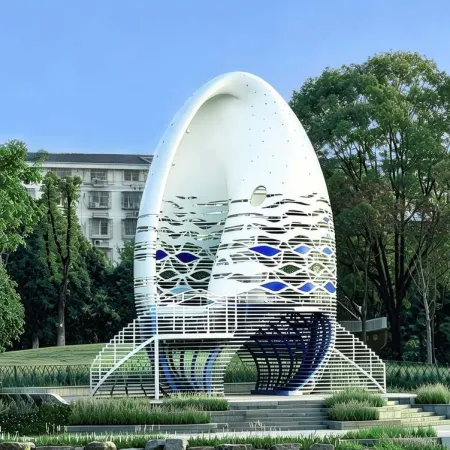
See integrated urban solutions in Wisdom Tree, Honeycomb Pavilion and the full services behind them.
What a Complete Solution Contains
Urban public art design solutions begin with strategy and end with aftercare, and a complete solution contains every stage between them. The journey opens with the reading of the place, its communities, its routes and its ambitions, and the writing of a strategy that names what the art should achieve; it moves through the design of the individual works, developed with the community and approved by the client; it continues through the engineering, the fabrication and the installation, managed as one accountable process; and it closes with the documentation, the maintenance planning and the aftercare that keep the works healthy for decades. The client who buys a solution buys the whole journey, and the value is in the wholeness.
The wholeness is also what protects the client from the gaps that fragment a project into problems. When strategy, design, fabrication and installation are separate purchases, every handover is a place where the vision can dilute and the responsibility can blur; when they are one solution, the organisation that wrote the strategy carries it through the making and stands behind the result. The single point of accountability is the deepest value of the solution model, because the client who buys a solution has a partner who answers for the whole, from the first site visit to the first maintenance season.
| Solution stage | What it delivers | Client benefit |
|---|---|---|
| Strategy | A vision and a plan for the art | Identity that adds up over time |
| Design | Works shaped by site and community | Originality with genuine adoption |
| Making | Engineering, fabrication and finishing | Craft controlled through the making |
| Delivery | Installation, handover and aftercare | Works that last and stay healthy |
Solutions for Developers: Identity That Sells
For developers, urban public art design solutions are an investment in the value of the place, because a development with a distinctive artistic identity sells faster, rents higher and holds its value longer than an anonymous one. The solution begins with the masterplan, naming the themes and the sites that will give the development its character; it continues through the works that mark the arrival, anchor the plaza and reward the residents; and it integrates the art with the landscape, the lighting and the architecture so that the whole reads as a designed place rather than a collection of purchased objects. The art is not an extra at the end of the budget; it is part of the placemaking from the start.
The developer solution should also protect the investment through the life of the asset, because art that is not maintained becomes a liability rather than an asset. The solution should include the maintenance planning, the documentation and the aftercare that keep the works looking their best, and it should build the engagement that makes the first residents and tenants feel the art is theirs, because a community that adopts the art protects the developer's investment long after the sales office has closed. The developers who treat public art as an asset with a management plan are the developers whose places are remembered, and remembered places are the ones that command a premium.
Solutions for Cities: Programmes That Build Identity
For cities, urban public art design solutions are the machinery of civic identity, and the solution model fits the scale and the longevity of the civic task. The city solution may begin with a district masterplan, identifying the corridors, the squares and the gateways where art can shape the experience of the city; it may deliver the landmark works that give the district its symbols, balanced with the smaller works that carry the identity into the neighbourhoods; and it may include the temporary programmes that keep the city feeling alive while the permanent collection matures. The programme is designed to be built over years, with each phase learning from the last.
The city solution should also serve the public process with integrity, because civic art belongs to the public and the way it is commissioned teaches citizens whether their voice matters. The strategy should be shaped with genuine community engagement, the selections should be made on published criteria by balanced juries and the concepts should be presented honestly with the reasoning explained; and the delivery should be documented so that the city has the records to maintain and interpret its collection for generations. A city that commissions its art through a solution built on engagement and transparency is a city whose art will be adopted, protected and loved, and that adoption is the true return on the civic investment.
Solutions for Communities: Art the People Own
For communities, urban public art design solutions are a way of claiming a place and telling its story, and the solution model works best when the community is a true partner rather than a consulted audience. The solution should begin by listening, to the stories the community tells about itself, the histories it wants honoured and the hopes it holds for its streets; it should give the community real choices, not a single concept presented as a conclusion; and it should build the local pride that makes people protect the work, photograph it and introduce it to their children. The art that results belongs to the community in a way that no imposed work can ever belong.
The community solution should also leave capacity behind, because the deepest value of art in a community is the confidence it builds that the community can shape its own place. The process should involve local artists where they can grow, local young people who may become the next generation of makers and local institutions that will care for the work; and the documentation and the stories of the work should be left with the community so that the meaning is passed on. A solution that empowers a community to continue its own cultural life is a solution that keeps paying long after the unveiling, and that is the highest ambition of urban public art.
A Solution, Not Just a Sculpture
Strategy, design, making and aftercare as one
A single partner accountable for the whole
Engagement that makes the people owners
Documentation that protects the decades
Building the Solution Around Your Need
The right urban public art design solutions are built around the client's need rather than sold from a fixed menu, and the first duty of a solution provider is to understand which problem is actually being solved. A developer may need identity to sell; a city district may need a programme to build over a decade; a community may need a way to honour its story and claim its place; and each need calls for a different shape of solution, different in scale, in process and in emphasis. The provider should begin by asking the questions that reveal the real need, then propose a solution shaped to it, and the client should be wary of any provider that offers the same package to every client.
The solution should also be proportionate, because not every project needs the full machinery of a civic programme and an honest provider will say so. A single plaza may need a focused solution of design, making and installation without a decade-long masterplan; a growing district may need the masterplan first and the works later; and a community project may need more engagement and less monument. Our studio has delivered urban public art design solutions across more than twenty countries since 2003, and the solutions that served their clients best were those shaped to the real scale of the need, neither undersold nor oversold, with the scope written clearly so that every stage and every cost was understood from the start.
Frequently Asked Questions About Urban Public Art Design Solutions
What is the difference between a work and a solution?
A work is a single object; a solution is the whole journey of strategy, design, making, installation and aftercare that delivers identity. The solution model gives the client one accountable partner and works that add up.
How is a solution tailored to a developer?
It begins with placemaking strategy, delivers works that anchor the arrival and the plaza, and includes the maintenance planning that protects the asset. The art becomes part of the value of the development.
How long does a full urban solution take?
A focused project may run many months; a district programme is measured in years. The provider should stage the solution so the client sees progress and value at every phase.
Can a solution include temporary as well as permanent art?
Yes, and the strongest programmes balance both. Temporary works keep a place feeling alive and test ideas, while permanent works build the long identity, and a solution can orchestrate the mix.
What does aftercare include in a solution?
Maintenance documentation, scheduled inspections, the warranty and a named partner who answers when a work needs attention. Aftercare is what turns a purchase into a lasting collection.
Urban public art design solutions are the complete answer to a place's need for identity, and they reward the clients who commission them with works that add up, partners who answer for the whole and places that are remembered. Build the solution around the real need, shape it to the true scale and hold the whole journey to one standard, and the district, the development or the community will gain an identity that grows in value with every year. The places people love are rarely the products of scattered purchases; they are the products of solutions, conceived with vision, delivered with craft and cared for with commitment, and that is the standard every urban place deserves.
Choose urban public art design solutions that carry your place from first vision to lasting identity, and your district will be remembered for what it became.