How to Vet a Public Art Sculpture Fabricator Before You Commit
A public art sculpture fabricator turns the design you approved into the object the public will live with, and choosing the wrong one converts a beautiful concept into a costly disappointment that no contract clause can fully rescue. The vetting process is your only chance to judge the workshop, the people and the quality systems before your vision is committed to steel.
This guide explains how to evaluate a public art sculpture fabricator with the rigour the decision deserves, what to inspect in the workshop and in the portfolio and which questions separate a genuine sculpture maker from a metal shop that will learn on your project. We have fabricated more than 3,000 installed works since 2003 and we welcome the scrutiny we recommend, because a confident workshop has nothing to hide.
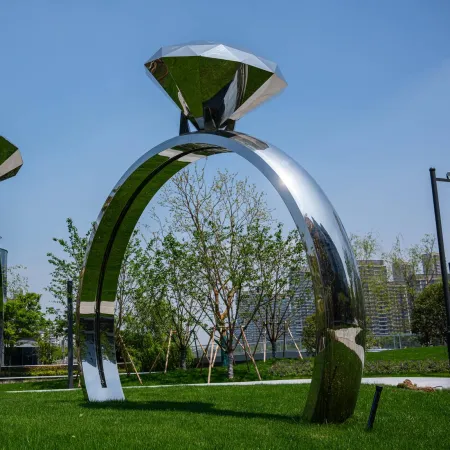
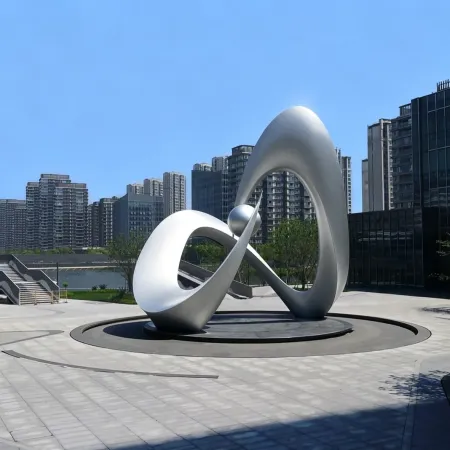
See the fabrication capability behind delivered works in our services, the range produced in the project gallery and a complex fabrication such as Eye of the Phoenix.
Reading the Portfolio for the Right Evidence
The portfolio of a public art sculpture fabricator should be read for evidence of range, scale and honesty rather than for beauty alone. Look for works of the size and material you are commissioning, because a fabricator who has joined a 10-metre stainless form understands sectioning and distortion in ways that a maker of tabletop pieces does not. Look for public works specifically, since the engineering, the finishes and the approval requirements of public sculpture differ from private commissions.
Then test the honesty of the presentation. Does the portfolio show works in their sites, with the weathering and the public life visible, or only studio photographs that flatter? Can the fabricator name the engineer, the installer and the client for the works shown, and will those references speak? A fabricator who can point to a delivered public work, name the people behind it and invite you to verify is presenting evidence, while one who offers only glossy images is presenting hope.
| What to inspect | What it reveals | Warning sign |
|---|---|---|
| Portfolio range | Relevant scale and material skill | Only small or unrelated work |
| Workshop floor | Organisation and real capacity | Empty bays, tidy showroom |
| People | Skill and continuity of the team | No one can name the makers |
| Quality systems | How quality is actually assured | Vague answers about inspection |
| References | Delivered reality, not promises | References that never answer |
Walking the Workshop With a Critical Eye
The workshop visit is the heart of vetting a public art sculpture fabricator, because a floor in production tells the truth that a presentation cannot. Look at the work actually in progress: is the housekeeping organised, are the materials stored properly, are the welds on the pieces under construction clean and consistent? A workshop that is busy with real sculpture, with jigs built for one-off forms and samples on the wall, is showing you its normal state rather than a staged performance.
Meet the people who would build your work. The project manager should be able to explain the schedule and the quality plan; the lead welder should be able to discuss how your design would be sectioned and joined; and the finisher should know how your specified surface would be achieved and maintained. If the fabricator cannot introduce the actual team, ask why, because the gap between the sales presentation and the workshop floor is where projects go wrong.
Quality Systems and the Inspection You Can Trust
A serious public art sculpture fabricator runs on documented quality systems rather than on the goodwill of its welders. Ask how materials are verified on arrival, how welds are inspected and recorded, how dimensions are checked against the approved geometry and how the finishing specification is controlled. The answers should be specific, with named procedures and records, and the fabricator should welcome your inspection at agreed milestones because verification is how trust is earned.
Third-party inspection is a reasonable demand on larger commissions, and the fabricator's response to the request is itself a signal. A workshop confident in its quality will agree to independent checks at defined points and will provide the access and the documentation the inspector needs; one that resists or complicates the process is telling you something important. The inspection plan should be written into the agreement before fabrication begins, so that quality is assured by process rather than by hope.
- Demand relevant evidence, delivered public works of your scale.
- Walk the live workshop and judge the work in progress.
- Meet the actual makers, not only the sales team.
- Probe the quality system for documented procedures.
- Write inspection in before the first cut is made.
What Good Vetting Prevents
A fabricator learning on your budget
Quality discovered after shipment
A vision compromised in translation
Disputes that a contract cannot fix
Engineering, Logistics and the Questions Only Makers Answer
Ask the fabricator the questions that only a maker can answer well, and judge the depth of the responses. How would this design be sectioned for transport, and where would the joints fall? What material grade would you specify for this climate and why? How would the finish be applied and what maintenance would it need? How would the installation be sequenced, and who would supervise it? A fabricator with real public sculpture experience answers these specifically, while a general metal shop answers in generalities.
The engineering question deserves particular weight, because it protects both safety and the design. Confirm that the fabricator works with structural engineering for public loading and wind, that the foundations interface will be documented and that the approvals your site requires will be supported. The right fabricator treats engineering as part of the making, not as a document to be produced and forgotten, and that attitude is visible in how it discusses your specific work.
Coordinating the Fabricator With Your Wider Team
A public art sculpture fabricator works best when the wider team around the project is coordinated with clear interfaces, because most fabrication problems arrive through the gaps between parties rather than from the workshop itself. The designer, the structural engineer, the landscape architect, the general contractor and the installer all touch the work at different moments, and the fabricator needs a single, current source of truth for the drawings, the specifications and the site conditions. The client should establish who answers technical queries, how drawing revisions are distributed and who holds the master schedule, so that the fabricator never builds from an outdated document.
The client can also protect the fabricator's performance by giving it the site information early and completely. Ground conditions, access constraints, delivery windows and the installation contractor's capabilities all shape how the work should be fabricated and sectioned, and a fabricator who receives them at the start designs the making around reality rather than around assumptions. Where the client lacks a technical owner, the fabricator should be invited to coordinate directly with the relevant parties under a clear protocol, because a workshop that is allowed to ask questions before it cuts is a workshop that will not need to make excuses after. Clear coordination is cheap; miscoordination is expensive, and it is almost always avoidable.
The coordination tools are simple and powerful when they are used consistently. A request-for-information log gives every technical question a number, an owner and a response date, so nothing is lost between meetings; a drawing register names the current version of every document and who holds it, so no one builds from an outdated revision; and a short interface meeting at each project phase lets the fabricator, the designer and the site team agree what each needs from the others before the need becomes a delay. The client does not have to run these tools, but the client should require that they exist and ask to see them at the milestones. A public art sculpture fabricator who works through clear interfaces is a fabricator whose problems stay small, and small problems are what a smooth project is made of.
Frequently Asked Questions About Choosing a Public Art Sculpture Fabricator
What should a fabricator's portfolio prove?
Relevant scale and materials, genuine public works installed in real sites and the ability to name the engineers, installers and clients behind them.
What should I inspect in the workshop?
Work actually in production, housekeeping and material storage, weld quality on current pieces and the jigs and samples that show one-off making.
How do I verify quality control?
Ask for documented procedures on materials, welds and dimensions, and write agreed inspection milestones or third-party checks into the contract.
Is third-party inspection worth it?
On larger commissions yes, and a confident fabricator welcomes it, providing access and documentation at defined milestones while corrections are still cheap.
What questions reveal a true sculpture maker?
Sectioning and joints, material grade for your climate, finish and maintenance, installation sequencing and engineering, answered with specifics rather than generalities.
Choosing a public art sculpture fabricator is a decision worth weeks of diligence, because the workshop you select will carry your vision through the hardest part of its journey. Read the portfolio for real evidence, walk the live floor, meet the makers, probe the quality system and write the inspection in before you commit.
If you are vetting a public art sculpture fabricator and want to inspect a workshop with a 23-country delivery record, arrange a visit and judge our capability against the standards above.