Why Modern Stainless Steel Sculpture Suits Contemporary Places
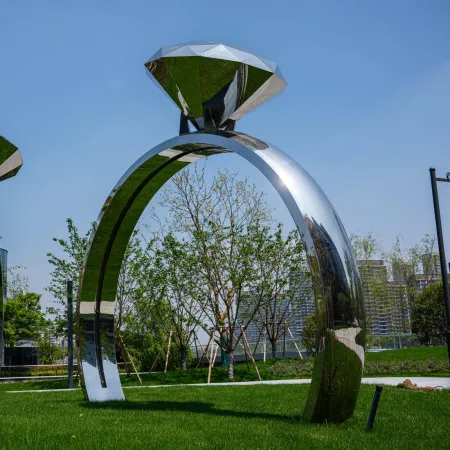
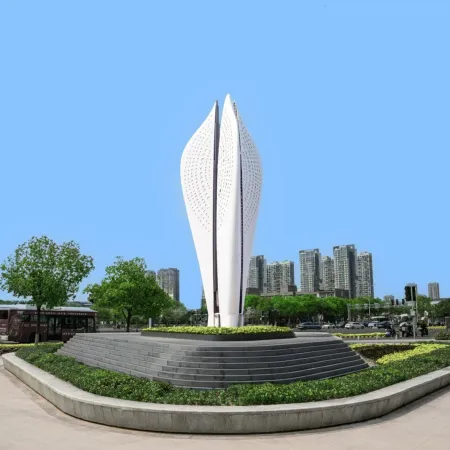
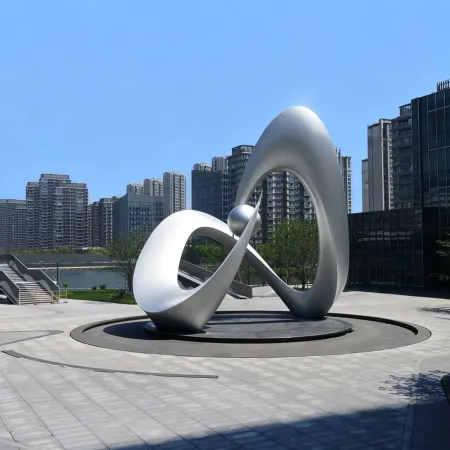
A modern stainless steel sculpture belongs naturally in the places built in the last thirty years, because it shares their language. Clean geometry, disciplined surfaces and a restrained palette are the same qualities that define contemporary architecture and landscape design, and a stainless work can sit beside glass, concrete and stone without competing. Where a bronze figure speaks of history, a stainless form speaks of now, and that difference should guide the choice of material as much as any aesthetic preference.
Yifeng Sculpture Studio has produced contemporary stainless work since 2003, with more than 3000 delivered pieces across 23 countries, and we have watched how these pieces settle into new districts. The works that succeed are not the most spectacular; they are the ones whose scale, surface and placement were resolved with the architecture and the public realm. A modern stainless steel sculpture is a piece of the place, not an object dropped onto it.
What Makes a Modern Stainless Steel Sculpture Read as Contemporary
The first quality is formal clarity. Contemporary design favours forms that can be understood quickly and that hold their identity from a distance, whether that is a bold curve, a precise geometry or an elegant loop. The second is restraint in colour and detail: a stainless surface is usually left as stainless, or treated in a single tone, rather than decorated. The third is integration with light, because modern places are designed for day and night, and a sculpture that only works in daylight will look like a leftover after dark.
Surface treatment carries much of the contemporary character. A mirror finish gives lightness and reflection, a brushed finish gives calm and precision, and a blasted finish gives mass and quiet. Each of these reads differently against the materials that surround it. A polished form in front of a glass facade can become confusing, while a brushed form against the same building reads as deliberate. We test the finish choice against the actual context rather than in isolation.
| Setting | Contemporary response | Finish that works best |
|---|---|---|
| Glass office district | A calm counterpoint to reflective facades | Brushed or bead blasted |
| New civic square | A landmark that gives the space an identity | Polished for presence |
| Waterfront promenade | Movement and light tied to water | Satin with kinetic elements |
| Residential landscape | A quiet focal point among planting | Satin or brushed |
| Transit forecourt | A wayfinding landmark that survives heavy use | Brushed, robust and easy to clean |
Coordinating With Architecture and Landscape
Contemporary projects are designed as a whole, which means the sculpture should be part of the design conversation rather than an addition at the end. When the sculptor is involved with the architect and the landscape designer, the work can share the paving grid, align with a facade, occupy a view line that was left open on purpose or provide the focal point that the masterplan was missing. Coordination at this level costs almost nothing and changes the result completely.
Lighting is where modern settings often separate the good projects from the rest. A contemporary place is used in the evening, and the sculpture should be lit as part of the lighting design, not with a spotlight added later. The colour temperature of the light, the direction of the beam and the control system all affect how the surface reads after dark, and a brushed or polished surface responds very differently to each. Agreeing these details early keeps the work looking intentional at every hour.
- Join the design team early: align the sculpture with the architecture and the landscape from the start.
- Share the grid: foundations, paving and planting designed around the sculpture rather than adjusted to it.
- Design for night: integrate lighting so the work reads well after dark as well as in daylight.
- Test finishes in context: assess surface samples against the actual buildings and light of the site.
- Consider the residents: a new district needs works that reward daily contact as well as first impressions.
Contemporary Design Priorities
Formal clarity that reads from a distance
Restraint in colour and surface treatment
Integration with architecture and landscape design
A night time presence designed, not added
Durability and the Long View
Modern districts are built to last, and the sculpture should match that ambition. Stainless is inherently durable, but durability depends on the grade, the detailing and the maintenance regime, and a contemporary work should be specified with a service life in mind rather than for the opening day. Fixings, drainage and access for cleaning are unglamorous parts of the design that decide whether the piece still looks sharp in twenty years.
The long view also includes change. A new district will evolve, and the sculpture should be robust enough to remain relevant as its surroundings mature. That usually means a form that is strong in its own right rather than one that depends on a particular building or view, and a surface that can be maintained easily by whatever team the site employs in future. A modern stainless steel sculpture designed with those realities in mind becomes a permanent part of the place rather than a period piece.
- Specify for service life: grade, detailing and fixings chosen for decades rather than for handover.
- Plan the maintenance: access, drainage and cleaning provision designed into the base and the surrounding works.
- Keep it self sufficient: a form that holds its identity without depending on a particular view or building.
- Document everything: drawings, finish specification and a maintenance plan handed over for future teams.
- Allow for evolution: design so the work can be cleaned, repaired or relocated as the district changes.
Materials, Colour and a Modern Stainless Steel Sculpture
Contemporary design works through a restrained palette, and a modern stainless steel sculpture should respect that discipline. The metal itself, or a single applied tone, is usually enough, and the interest comes from the form, the reflections and the way the surface changes with the light. Introducing several colours or a mix of materials often dilutes the effect and can make a piece look busy beside architecture that was designed to be calm.
Where the setting already contains strong colours, a neutral stainless surface acts as a counterweight rather than a competitor. Where the surroundings are grey and uniform, a single accent of colour can give the district a memorable marker. The decision should be made by looking at the actual context, including the paving, the planting and the facades, rather than by choosing a colour in isolation and hoping it settles in.
Surface treatment carries the same weight as colour. A polished surface reflects the city and changes constantly, a brushed surface holds a consistent sheen and reads as precision, and a blasted surface absorbs light and reads as mass. Each of these can be contemporary, and each suits a different setting, so the finish should be chosen for the place and the light rather than for a trend.
Night is where many contemporary works succeed or fail. A modern stainless steel sculpture that is lit deliberately becomes a different piece after dark, with highlights and reflections that extend its presence into the evening economy of the district. Coordinating the lighting with the sculpture design, rather than adding fittings afterwards, is the difference between a work that belongs to the place and one that merely occupies it.
A modern stainless steel sculpture that is resolved in the context of its neighbours, rather than in isolation, is the one that looks as though it was always meant to stand there.
Frequently Asked Questions About Modern Stainless Steel Sculpture
Is stainless too industrial for a residential scheme?
Not when the scale, the finish and the planting are right. A brushed or satin surface among greenery reads as calm and contemporary rather than industrial.
Will it date?
A strong form and a restrained surface tend to age well, while pieces that chase a fashion in colour or novelty detail are the ones that look dated within a decade.
How do we choose between polished and brushed?
Look at what surrounds the work. Against glass and bright facades a satin finish usually reads better, while in an open square a polish can give the presence the space needs.
Can the sculpture be integrated with seating or planting?
It can, and integrated works often serve a place better than freestanding ones, but the design must be coordinated with the landscape architect so the functions support each other.
Do you work with landscape architects?
Regularly, and the best contemporary projects are the ones where the sculptor, the architect and the landscape designer agree the placement and the scale before the layout is fixed.
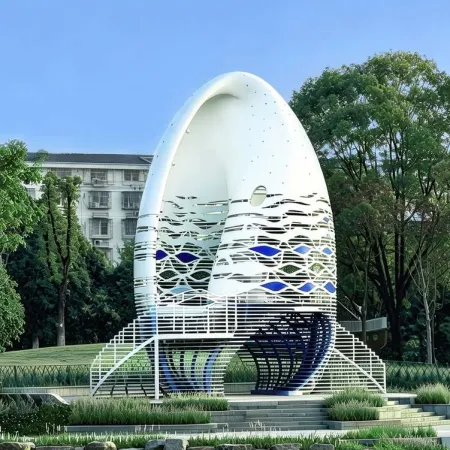
How we work with design teams is described in the services overview, and a contemporary stainless structure that creates its own public space is Honeycomb Pavilion. More contemporary commissions appear in the project gallery.
Send us the masterplan and the architecture, and we will propose a form that belongs to both. Designed as part of the place, a modern stainless steel sculpture gives a new district the identity it was otherwise going to wait years to earn.