How Outdoor Public Art Consulting Prepares Works for the Elements
Outdoor public art consulting exists because a work that stands in the open air faces a harsher jury than any design review, a jury of rain, frost, salt, ultraviolet light and the endless reach of public hands, and advice that ignores that jury produces art that fails within years no matter how beautiful it looked in the render. The outdoors is not a neutral backdrop; it is an active partner in every decision about material, structure and finish.
This guide explains what outdoor public art consulting must cover, from site climate to engineering and maintenance, and how to commission outdoor work that still serves its place decades after installation.
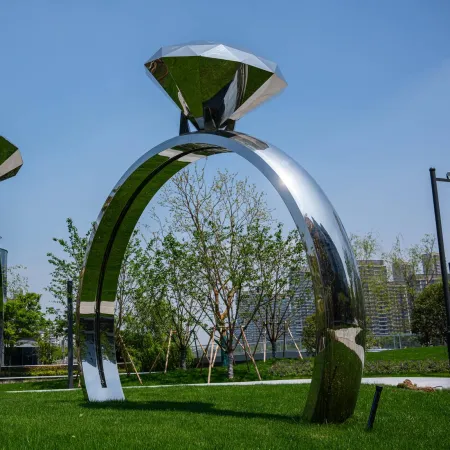
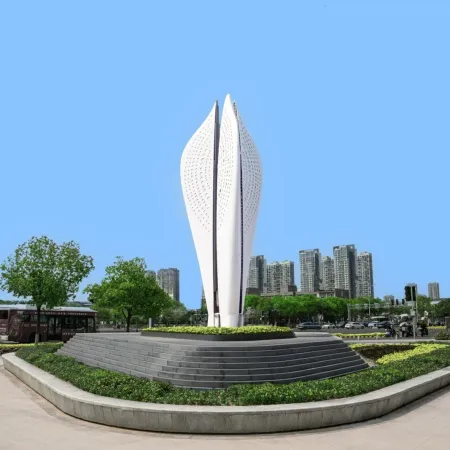
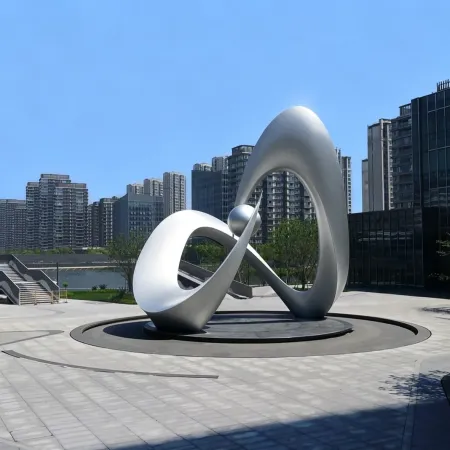
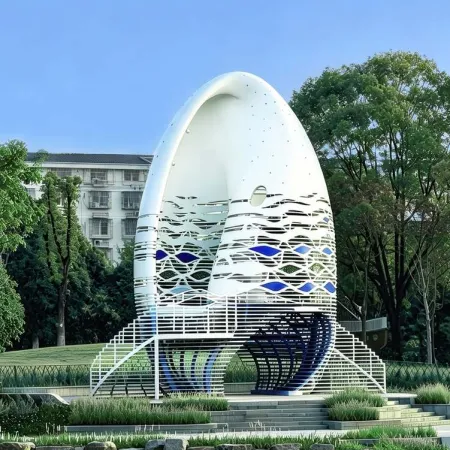
See outdoor endurance proven in Wind Sail, Butterfly Dance and Rainbow Windmills.
Reading the Site Before Advising Anything
Serious outdoor public art consulting begins with a study of the place and its climate, because the same design that thrives beside a mild coast may fail on a mountain plaza or in a desert city. The consultant asks what the site endures through the year: the temperature range and the freeze-thaw cycles, the rainfall and the drainage, the salt or pollution in the air, the strength and direction of prevailing winds, the exposure to low sun and the shadows that will frame the work. Each answer narrows the honest range of materials and forms, and a consultant who skips this study is guessing in the most expensive way.
The reading must also include the people who will share the space. Outdoor art is rarely seen from a single viewpoint; it is passed daily by commuters, played around by children, photographed by visitors and touched more often than artists like to admit. The consultant considers how the work will be approached, where people will stand and sit, how it will read at night and in winter when the planting retreats, and how it will tolerate the affectionate wear of public life. Site reading of this depth is what separates advice that fits the place from advice that merely fits the brochure.
Materials Honest to the Outdoors
Material selection is the heart of outdoor public art consulting, because every family of material carries a different contract with the weather. Stainless steel offers brilliance and corrosion resistance, though the grade must match the site, with coastal and polluted atmospheres demanding higher alloys. Bronze weathers with dignity and needs little beyond patience. Painted and coated metals give full colour but depend on their coating systems and the care they receive. Stone endures almost anything but carries weight and structural demands. A consultant's job is to match the artist's vision to the material that will honestly carry it outdoors.
The consultant must also advise on how materials behave together, because junctions are where outdoor works fail first. Dissimilar metals must be separated or isolated to prevent galvanic corrosion; drainage details must keep water from pooling in crevices; seals and fixings must tolerate thermal movement; and every hidden surface must be protected as carefully as the visible ones. We have built outdoor commissions since 2003 in more than twenty countries, and every climate taught us the same lesson: the detailing no one sees decides how long the beauty everyone sees will last.
| Environment | Main threat | Material implication |
|---|---|---|
| Coastal air | Salt corrosion | Higher stainless grades and sealed joints |
| Cold climates | Freeze and thaw | Drainage that sheds water before it freezes |
| Urban pollution | Acid and grime | Finishes chosen for wash-down care |
| Exposed plazas | Wind loading | Structural study and robust foundations |
| Sunny regions | Ultraviolet fading | Lightfast pigments and stable substrates |
Engineering, Foundations and Wind
An outdoor work is a structure before it is a sculpture, and outdoor public art consulting must treat engineering as a creative partner rather than a bureaucratic hurdle. Wind loads on a tall or open form can be far greater than intuition suggests, and a slender element that looks elegant in elevation may demand serious internal structure, ballast or tie-downs to survive a storm. Foundations must carry the weight, resist overturning and tolerate the ground conditions of the actual site, which is why geotechnical study belongs early in the programme rather than late.
The consultant also plans for the moment of installation, because many outdoor works are damaged not by weather but by the lifting, transport and handling that bring them to the site. Access for cranes, the capacity of roads and gates, the sequence of assembly and the protection of finishes during installation should all be studied before fabrication begins. When engineering and logistics are foreseen, the work arrives and stands with confidence; when they are left to chance, every risk becomes a cost. Good outdoor public art consulting protects the client from both.
Maintenance as a Design Discipline
Every outdoor work will be cleaned, inspected and occasionally repaired, and outdoor public art consulting should design for that future from the first sketch. Surfaces should be specified so that washing is simple and safe; vulnerable details should be accessible rather than buried; finishes should be chosen with an eye to how they will age and how they will be renewed; and the client should leave with a maintenance schedule they can actually follow. A work that is easy to care for is a work that will be cared for.
The consultant should also be honest about what each material demands over its life, because clients deserve to choose with their eyes open. A mirror-polished stainless work may need periodic cleaning to keep its brilliance; a painted work will need recoating on a schedule; a bronze work will develop a patina that some love and others must learn to love. When the maintenance story is told before the commission, there are no surprises after it, and the relationship between owner and artwork stays healthy for decades rather than souring in the first year.
- Study the climate: site conditions decide the material range
- Engineer for the wind: structure and foundations belong early
- Detail the junctions: hidden detailing decides outdoor life
- Plan the care: maintenance designed in, not discovered later
Outdoor Advice That Endures
Site climate studied before materials are chosen
Materials and finishes matched to the weather
Structure, foundations and logistics foreseen
A maintenance plan the owner can follow
Choosing a Consultant for the Outdoors
Not every public art consultant is equipped for the outdoors, and the questions you ask should test their depth honestly. Ask what outdoor works they have guided through real winters and summers, and ask to visit or inspect works that have stood for several years; ask how they approach wind engineering and foundation design; ask which materials they would exclude for your specific site and why; and ask how maintenance is documented and handed over. A consultant who answers from experience rather than theory is worth their weight in the commission.
Prefer a consultant or studio with fabrication depth, because outdoor advice is only trustworthy when the advisor has built outdoor work and learned where it fails. A studio that fabricates can speak of weld detailing, drainage and finish protection from direct experience, can price its advice against real workshop cost and can carry a commission from the first site walk to the installed work. Outdoor public art consulting of this depth protects your investment in the one way that matters: the work is still standing, still beautiful and still loved when the consultant is long gone.
Frequently Asked Questions About Outdoor Public Art Consulting
Why does outdoor art need separate consulting?
Outdoor work faces weather, wind, public contact and maintenance demands that indoor work never meets. Separate consulting ensures material, structure and finish are chosen for that harsher life from the start.
Which materials last longest outdoors?
Weathering steel, stainless steel in a grade matched to the site, bronze and stone all endure well when detailed correctly. The right choice depends on your climate, your site and the look you want to keep.
When should engineering be involved?
At concept stage. Wind, weight and foundation requirements shape the design itself, so engineering advice given late forces expensive compromises that early advice would have avoided.
How do we plan maintenance for an outdoor work?
Ask the consultant for a written care schedule covering cleaning, inspection and renewal for every material. Design the work so that care is simple, and budget for it from the start.
Can outdoor consulting include fabrication too?
Ideally yes. A studio that both advises and fabricates understands detailing from direct experience, prices honestly against real workshop cost and carries the commission seamlessly from concept to installed work.
Outdoor public art consulting turns the harshness of the open air into a design advantage, because the same constraints that destroy careless work give thoughtful work its endurance and its authority. When climate is studied, materials are chosen honestly and engineering is welcomed early, the sculpture that stands in your plaza will still be earning its place when the seasons have turned many times.
Bring us your outdoor site and let outdoor public art consulting design a future the weather cannot defeat.