How Urban Public Art Consulting Strengthens the Life of Cities
Urban public art consulting exists because the city is the most demanding gallery art will ever enter, a place of competing claims, dense history and relentless change, where a work must earn its keep among the traffic, the commerce and the daily lives of thousands. Art that succeeds in the city does more than decorate; it gives the city places to gather, stories to tell and reasons to be proud.
This guide explains how urban public art consulting works within the complexity of the city, what it takes for a work to earn a permanent place and how to commission art that strengthens urban life rather than merely occupying urban space.
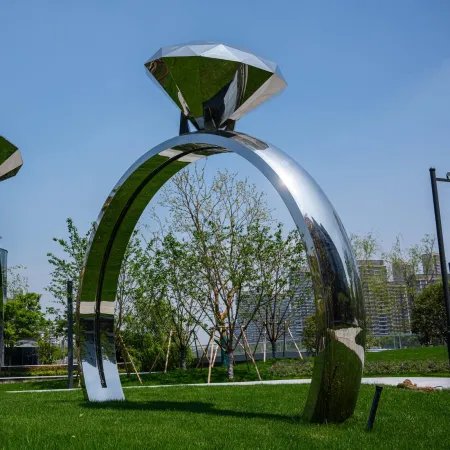
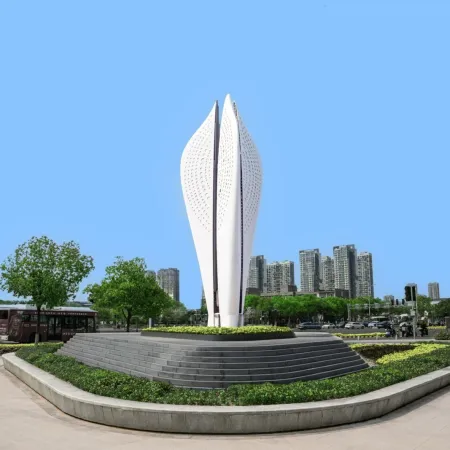
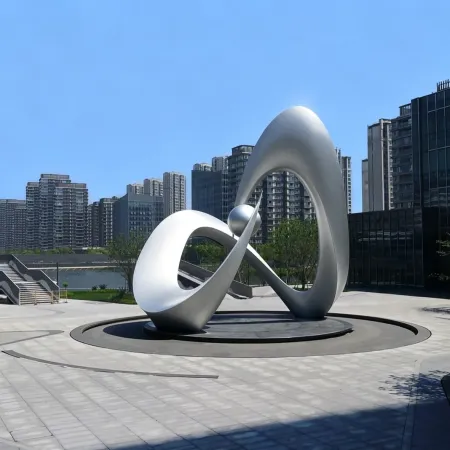
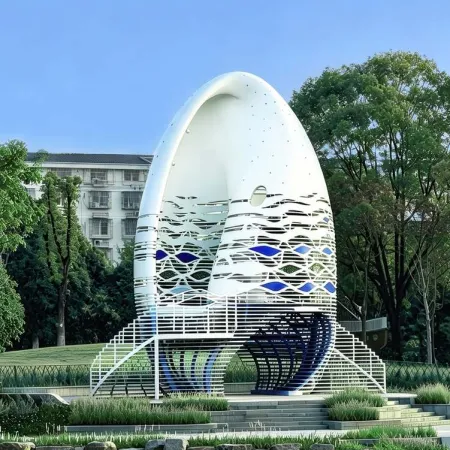
See urban works earning their places in Eye of the Phoenix, Rainbow Windmills and The Diamond Rings.
Reading the City Before Placing the Art
Urban public art consulting begins with the city itself, because a work that ignores its urban context will be ignored in return. The consultant reads the district and its history, the architecture that frames the streets, the flows of people and traffic, the edges where communities meet and the places where the city already gathers, and the consultant reads the politics of the place as carefully as its paving, because urban art is adopted or rejected as much by institutions as by individuals. Context of this depth is the foundation of every recommendation.
The reading also attends to the city's pace and scale. Urban art is seen at speed from vehicles, at walking pace from pavements and at rest from benches and cafés, and a work that serves all three speeds must reward the glance, the stroll and the long look together. Scale is judged against the buildings and the street width, materials against the city's weather and its grime, and placement against the sightlines that carry the eye through the urban fabric. Urban public art consulting of this thoroughness gives a work the best possible chance of being seen, understood and kept.
Art as an Instrument of Urban Life
The most successful urban art does not merely sit in the city; it serves the city's life, and urban public art consulting should aim at that service. A work can turn a forgotten corner into a meeting point, give a district the identity that draws visitors, calm a street that felt unsafe, celebrate the community that others overlook or mark the spot where the city's story turned. The consultant asks what this part of the city needs and what art could give it, and the answers shape commissions that earn their place by working for the people around them.
Urban art also serves the city's economy and ecology in ways that planning now takes seriously. A landmark work raises the value and the footfall of its district, supporting the shops and cafés that make streets lively; a thoughtful work can improve wayfinding, calm traffic or shade a public space; and a commissioned work can carry the city's commitment to culture into the everyday environment. Urban public art consulting articulates these benefits so that clients, from municipalities to developers, can see art as infrastructure for a better city rather than as an ornament to be afforded when times are good.
| Urban challenge | How art responds | The urban gain |
|---|---|---|
| Anonymity | A landmark that gives identity | A district people can name and find |
| Fragmentation | Threads of connection across sites | Streets that feel composed |
| Decline | Reason to visit and linger | Footfall that supports local life |
| Forgetting | Memory given form | History the city can see and tell |
| Disconnection | Places that invite gathering | Community life given ground |
Navigating the Urban Approval Maze
Every city work must pass through the city's own systems, and urban public art consulting exists to navigate them with skill and patience. The consultant maps the approvals the work will need, the planning permissions, the highways consents, the heritage and safety reviews, the community consultations and the political endorsements, and builds their timetables into the programme from the start. The consultant also prepares the case that carries the work through those systems, the clear statement of why this art, in this place, for this city, that turns sceptics into supporters.
The political dimension demands the same care as the technical one, because urban art lives or dies by the alliances that surround it. The consultant helps build the coalition of support that a permanent public work needs, the elected members who champion it, the officials who administer it, the businesses that benefit from it, the community that adopts it and the press that tells its story, and keeps that coalition informed and engaged through the long journey of delivery. Urban public art consulting of this completeness treats the city's approval as a creative problem to be solved with the same rigour as the design itself.
Endurance, Care and the Long Urban Life
A work that earns a place in the city must be built for the city's long life, and urban public art consulting plans for that endurance from the first sketch. The materials must survive decades of weather, pollution and public contact; the structure must stand against wind and time; the finishes must be renewable by the crews the city can actually deploy; and the maintenance must be affordable within the budgets the city actually holds. A work that the city cannot care for will decline, and a work that declines discredits the very idea of public art.
Our studio has practised urban public art since 2003, from academic roots through commissions in more than twenty countries, and the works that still serve their cities are the ones whose future was engineered as carefully as their present. Urban public art consulting carries that long view, planning the documentation, the maintenance regime and the stewardship that keep a work worthy of its place for the decades a city thinks in, and when the care is planned, the work the city adopted in year one is still a work the city is proud of in year thirty.
- Read the whole city: context, politics and pace all matter
- Serve urban life: art should work for the people around it
- Navigate the maze: approvals and alliances built early
- Plan the decades: endurance and care from the first sketch
Art the City Will Keep
A work read against the city's full context
A commission that serves urban life directly
Approvals and alliances built with skill
Endurance and care planned for the decades
The Night Life of Urban Art
Urban public art consulting must consider the night, because half of a city's life happens after dark and a work that disappears at sunset is only half a work. The consultant advises on the lighting that extends the sculpture into the evening, the lighting that reveals the form without blinding the street, that creates presence without glare and that invites the photograph that carries the work to the world; and where the budget allows, the lighting is designed as part of the art rather than added to it, so that the work changes character as the city does and rewards the evening as richly as the day.
The night also tests the safety and the welcome of the public realm, and a well-lit work can make a street feel watched over and alive. A sculpture that glows at a dark corner gives the corner a reason to be passed and a sense of being cared for; a work that lights a route draws the evening stroller along it; and an installation that changes through the hours gives the night its own reason to visit. Urban public art consulting that plans the dark hours gives the city works that serve the full cycle of its life, and the city that keeps its art lit is a city that keeps its streets alive.
Frequently Asked Questions About Urban Public Art Consulting
Why is urban art so hard to get right?
Because the city is complex, a dense weave of people, politics, history and movement. Urban public art consulting reads that weave before placing a work, so the art enters as a native rather than a stranger.
How do we get art approved by the city?
By mapping the approvals, building the technical case and forming the coalition of support early. The consultant treats the city's systems as part of the creative problem, not an obstacle to it.
Can urban art really help a struggling district?
Art alone cannot save a district, but a landmark can give it identity, footfall and pride that support wider renewal. The consultant is honest about what art can and cannot do.
What makes urban art last for decades?
Materials matched to the city's climate and pollution, structure engineered for the long term, finishes the city can renew and a maintenance regime the city can afford. Endurance is planned, not hoped for.
Who should commission urban art?
Municipalities, developers, business districts and community groups all commission urban art. The consultant tailors the process to the client, because a developer and a city council need different kinds of support.
Urban public art consulting gives the city works that earn their place by serving its life, because when art is read against the city's context, built for its endurance and carried through its systems with skill, it becomes part of the city's identity rather than a visitor to it. The works the city keeps are the works that work for the city, and that is the standard urban public art consulting exists to uphold.
Let urban public art consulting give your city a work it will still be proud of in thirty years.