How Outdoor Garden Sculpture Gives Public Green Spaces a Lasting Identity
Outdoor garden sculpture brings art into the green spaces where communities gather, children play and visitors wander, and it transforms an attractive landscape into a place with a memory. From botanical gardens and heritage parks to civic gardens and resort grounds, the right sculpture gives green space a voice that planting alone cannot provide.
This guide is written for garden owners, landscape architects and public clients planning outdoor garden sculpture, covering selection, siting, durability and commissioning for green environments.
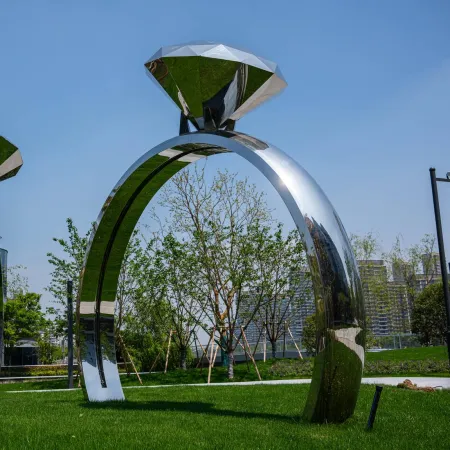
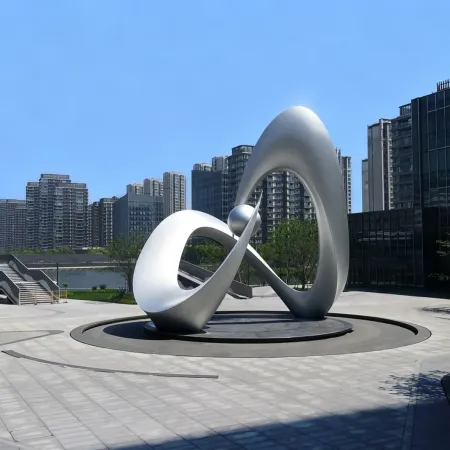
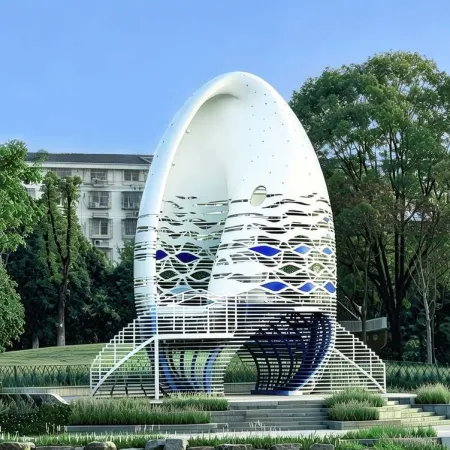
Study how sculpture joins planting in Fishbone Corridor, the landscape presence of Wisdom Tree and the garden welcome of Hello Conch.
What Sculpture Adds to a Public Garden
A garden of plants alone is beautiful but anonymous, while outdoor garden sculpture gives it landmarks, stories and reasons to return. A sculpture can mark an entrance, anchor a lawn, end a vista, surprise visitors around a corner or give children something to remember, and in doing so it turns a passive landscape into a sequence of discoveries. Gardens that commission sculpture find that visitors photograph the art, share it and come back to see it in different seasons, which is exactly the loyalty every garden owner wants.
Sculpture also extends the garden's life beyond the growing season. In winter, when planting retreats and colour fades, a well-sited work stands as a permanent structure in the landscape, giving the garden bones that hold the eye through the dormant months. For botanical gardens that draw visitors year-round and for civic gardens that must work hard in every season, this all-year presence is a genuine asset, and it is one reason sculpture programmes have become central to the world's great gardens.
Matching Sculpture to the Garden's Character
The best outdoor garden sculpture respects the character of its garden rather than competing with it. A formal botanic garden may suit classical or botanical themes, a naturalistic garden may be enriched by organic abstract forms, a children's garden calls for playful and interactive pieces, and a heritage garden may ask for work that echoes its history. The sculpture programme should be planned as part of the landscape, with each piece chosen or commissioned for its specific site rather than scattered without intention.
Scale and siting follow the garden's geometry. Large works suit open lawns and major axes where they can be seen from a distance; smaller works belong in intimate corners, beside paths and among planting where they are discovered up close. The relationship between sculpture and specimen planting needs thought, since a rare tree or a fine view should not be compromised, and the garden's maintenance regime matters too, because machinery, irrigation and seasonal works must all be able to operate around the art. A garden sculpture plan developed with the landscape team integrates these practicalities from the start.
| Garden type | Sculpture character | Siting note |
|---|---|---|
| Botanical garden | Botanical and organic themes | Clear of specimen collections |
| Civic park garden | Community and landmark works | Visible from main routes |
| Children's garden | Playful, safe, interactive | Soft ground and no hazards |
| Heritage garden | Echoes of history and tradition | Respects historic fabric |
| Resort and private estate | Elegant and atmospheric | Compose views and gathering spots |
Durability in the Garden Environment
Outdoor garden sculpture must tolerate conditions that differ from the urban plaza, because gardens bring irrigation, fertiliser, soil splash, leaf litter and constant horticultural activity. Materials should be chosen for these realities, bronze and granite for their quiet permanence, stainless steel in marine or treated-water settings, weathering steel where its rust harmonises with the landscape, and painted finishes only where the coating system is maintained. The studio should advise on what each material demands in a garden specifically, not merely outdoors in general.
Public safety is equally a garden concern, because gardens host children, dogs and casual visitors in informal settings. Works should be stable, with no sharp edges at child height, surfaces that do not burn in sun or grow slippery in rain, and bases that cannot be undermined. Interactive and climbable sculpture should be designed and engineered deliberately for that use rather than risking accidental climbing on fragile forms, and the garden's maintenance team should receive clear guidance on caring for both the art and the space around it.
Planning a Garden Sculpture Programme
Garden owners achieve the best results by planning sculpture as a programme rather than acquiring pieces one by one. A programme begins with a master plan that identifies the sites where sculpture will work, the themes the garden wants to explore and the budget available over time, and it may mix permanent commissions with rotating exhibitions to keep the garden fresh. This approach builds a coherent collection that strengthens the garden's identity, rather than a random scatter of objects.
Commissioning within a programme follows the same discipline as any public art project. Define the brief for each site, select artists or studios whose work suits the garden, agree the engineering and maintenance requirements and manage the approvals carefully. For gardens that prefer not to own sculpture permanently, loan and rental programmes with artists offer flexibility, while permanent commissions give the garden its own landmarks. Either way, the sculptures should be chosen with the same curatorial care as the planting, because a garden's art is part of its collection, not an afterthought.
- Plan as a collection: a master plan beats random acquisition
- Match the garden: character, scale and siting together
- Design for the regime: irrigation, machinery and seasons
- Protect the public: safety engineered into every piece
Commissioning for Green Settings
When commissioning outdoor garden sculpture, choose a studio that understands both art and landscape. The team should ask about the garden's history, its planting, its visitors and its maintenance before proposing forms, and it should work with the landscape architects so that the sculpture and the planting are designed together rather than meeting as strangers. This collaboration produces the happiest results, works that seem to have grown in their places, because every sightline, every seasonal change and every practical constraint was considered from the start.
The studio should also deliver what the garden needs to care for the work over decades: a clear maintenance guide, access details for cleaning and re-finishing, and honest advice on the lifespan of materials in a garden environment. A garden is never finished, and the sculpture should be conceived as a permanent member of a living collection that will be pruned, planted and replanted around it. When art and garden are composed together with patience and skill, outdoor garden sculpture gives green space the identity that makes it a destination.
What Garden Sculpture Delivers
Landmarks that make a garden memorable
All-season structure in the landscape
A collection planned with curatorial care
Art and planting designed together
Sculpture Trails and the Visitor Journey
Many of the world's most loved gardens have discovered that sculpture is most powerful when it is woven into a journey, and a sculpture trail turns a garden visit into a sequence of discoveries rather than a single glance. The trail should be planned with the garden's paths, planting and viewpoints, placing each work where it rewards the walker, a piece glimpsed through trees, a work that closes a vista, a surprise around a bend, so that the route itself becomes part of the art. Wayfinding, interpretation and seating should support the journey, letting visitors pause with each work and understand its place in the collection.
A well-planned trail also extends the garden's season and its audience. Garden visitors who come for the planting return for the sculpture, schools find the works a rich resource, photographers arrive for the images and the garden gains a reason to be visited again in different seasons as the light and the planting change around the art. The maintenance of the trail, the paths, the interpretation and the works themselves, should be planned together so the experience stays as fresh in year ten as on opening day. When a garden commissions outdoor garden sculpture as a journey rather than a scatter, it gives its visitors a reason to wander and a memory to carry home.
Frequently Asked Questions About Outdoor Garden Sculpture
Where should sculpture be placed in a public garden?
At entrances, on open lawns, at the ends of vistas, beside paths and in gathering areas where it will be seen and enjoyed. Each site should suit the scale and character of the piece.
Which materials suit a garden best?
Bronze, granite and weathering steel need the least care and age gracefully among planting. Stainless steel suits modern gardens, especially in marine settings, while painted finishes require a maintained coating system.
Can sculpture be interactive or climbable?
Yes, when designed and engineered deliberately for that use. Interactive pieces should be robust, safe and maintained, and gardens should decide whether climbing is welcomed and design accordingly.
How do we protect sculpture from garden maintenance?
Siting should keep machinery clear, bases should resist strimmer damage, and the maintenance team should receive guidance on cleaning and care. Choosing robust materials reduces the risk from routine garden work.
Should we commission or loan sculpture for our garden?
Permanent commissions build a garden's own identity and landmarks, while loans and exhibitions add freshness and variety. Many gardens combine both, commissioning key works and rotating temporary pieces around them.
Outdoor garden sculpture is how a green space becomes a place with a memory, giving visitors landmarks to find, images to carry home and reasons to return through every season. Planned with curatorial care and composed with the landscape, it serves the garden for generations.
Plan outdoor garden sculpture for your green space with our landscape and art specialists.