What Public Art Sculpture Examples Teach Before You Commission
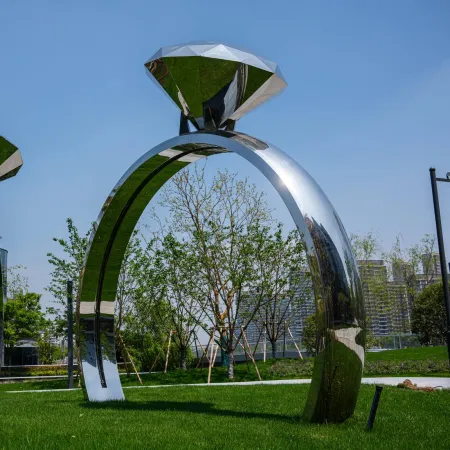
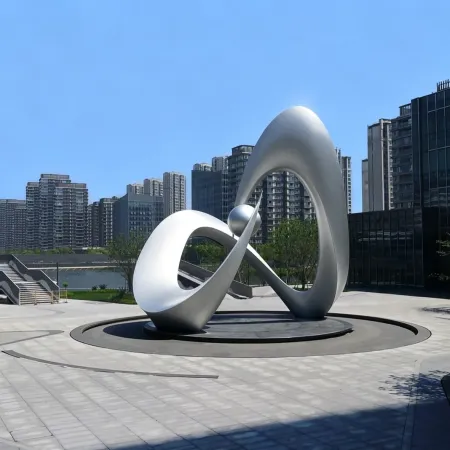
Public art sculpture examples are the closest thing the industry has to a textbook, because a work that has stood in its site for years carries lessons no rendering can teach about scale, weathering, public behaviour and the gap between what was proposed and what was adopted. Reading examples with a critical eye prepares a client to commission better than any amount of theory.
This guide explains how to study public art sculpture examples for the lessons that matter, the questions to ask of every work you see and how to use those observations to build a stronger brief for your own project. Our studio has delivered more than 3,000 installed works across 23 countries since 2003, including the Hello Conch landmark and the 20.8-metre Peach Blossom gateway, and we have watched which examples teach clients the most.
Study delivered works yourself in the project gallery, understand how they were made through our services and examine an adopted landmark like Hello Conch.
Reading a Work in Its Site, Not in Its Photograph
The first lesson of public art sculpture examples is that a photograph lies kindly, and the real education happens in the site. A professional image flatters the light, removes the context and hides the weathering, so the client who studies examples only through brochures learns the wrong lessons. Visit works in person where you can, at different times of day, and ask how the sculpture relates to the buildings, the foot traffic and the life of the space around it.
In person, the questions change. Does the work hold its corner of the plaza or disappear into it? Is the scale confident or bullying? How has the surface aged, where is the finish worn, what does the base look like after years of weather and contact? These observations, collected across several examples, teach more about what to commission than any portfolio presentation, because they show the long settlement of a work rather than its opening day.
| What to study | The question to ask | Lesson it teaches |
|---|---|---|
| Scale | Does it hold its space or vanish? | Proportion is decided by the site |
| Materials | How has the surface aged? | Grade and finish decide longevity |
| Use | How do people actually behave? | Interaction is designed, not assumed |
| Care | Who maintains it and how well? | Maintenance is a design input |
| Adoption | Is the work loved or ignored? | Meaning must belong to the place |
Learning From Both Success and Failure
Public art sculpture examples worth studying include the failures, because a work that failed in its site teaches the boundaries that a successful work only confirms. A sculpture that is always empty may reveal a design that never invited its community; one that is fenced off may reveal an engineering or safety failure that should have been designed out; one that looks dated within a decade may reveal a reliance on novelty rather than on meaning. The client who can name why a work failed has already avoided that failure in their own brief.
Success teaches just as precisely. A landmark that people photograph, give directions by and gather beneath succeeded because its meaning matched its place and its scale matched its role, and the client who can articulate that match can demand it from a studio. We encourage clients to bring us the examples they admire and the ones they dislike, because the conversation reveals their taste and their priorities faster than any abstract discussion of style, and it lets us design toward what they truly value.
Turning Observations Into a Stronger Brief
The purpose of studying public art sculpture examples is a better brief, and the observations must be distilled into requirements rather than left as impressions. Write down what the admired works have in common, the scale relationship, the material honesty, the way they host daily life, and what the failed works share, the ignored context, the fragile surface, the borrowed meaning. Those patterns become the criteria against which you will judge every concept your studio proposes.
A brief built from examples is also easier to communicate. When you tell a studio that you want the confident scale of one work and the material warmth of another, the studio understands your taste far better than when you describe a feeling in the abstract. The best commissions we have joined arrived with such references, and they progressed quickly because the client's eye was already educated and the design conversation could start from a shared language of real works.
- Visit works in person and read them in their real context.
- Study failures as well as successes to learn the boundaries.
- Ask who maintains each work and how the care shows.
- Distil patterns into criteria for judging new concepts.
- Bring references to the studio so taste becomes a shared language.
What Examples Give a Client
An educated eye for scale and materials
A shared language with the studio
Criteria to judge concepts fairly
Confidence in the choices you make
The Limits of Learning From Examples
Public art sculpture examples teach powerfully and incompletely, because every work is a response to a site that will never repeat exactly. The lesson of one landmark cannot be copied onto another ground, and the client who treats examples as templates risks commissioning a work that belongs to someone else's place. The examples should educate the eye and sharpen the brief, but the concept itself must still be born from your site, your community and your story.
That is the final and most valuable lesson of the best examples: they are all originals. The works that become institutions were not imitations of earlier successes but fresh responses to their own conditions, and the client who commissions in that spirit, informed by examples but not bound by them, gives the studio the freedom to create the work that only this place could hold.
Building a Studio Shortlist From the Works You Admire
The most reliable way to build a shortlist of studios is to work backwards from the public art sculpture examples you admire, because the makers of the works that move you are, by definition, capable of the qualities you value. When a sculpture earns your attention, find out who designed it and who fabricated it, visit the studio's own portfolio to see whether the quality repeats across other sites and then approach them with a specific compliment and a specific question. Studios respond to clients who have done their homework, and the conversation starts from a shared appreciation rather than from a cold enquiry.
The interview should then test the practical record behind the admired work. Ask what the engineering required and who did it, how the installation was managed and whether the schedule held, what the maintenance has demanded and what the studio would do differently today. The answers reveal whether the beautiful result rested on deep process or on luck, and whether the studio's account of its own work matches the reality the work shows. Choose the studio whose examples you love and whose answers you trust, because a public sculpture is a long marriage, and the partner you select should be one you can respect through every season of it.
Between the site visits and the studio interviews, the client should distil what the admired examples teach into a written brief, because writing forces clarity. Gather the images and the notes from every work studied, mark what each one does well and where it falls short and then draft the requirements your own sculpture must meet, the relationship to the site, the scale, the materials, the maintenance capacity and the feeling the place should have. That document becomes the yardstick for every concept the shortlisted studios present, and it makes the final choice a matter of evidence rather than of charm. Clients who brief from studied public art sculpture examples arrive at the design conversation with an educated eye, and the studios they choose respond with concepts that respect the bar the examples have set.
Frequently Asked Questions About Public Art Sculpture Examples
How should I study sculpture examples?
Visit works in person where you can, read them at different hours and ask how scale, materials, use and maintenance have fared in the real site.
What do failed examples teach?
They mark the boundaries: ignored context, fragile surfaces, borrowed meaning and uninvited communities are failures a careful client can name and avoid.
Can I copy a successful example?
No, because every work answers its own site; let examples educate your eye and brief, but require a concept born from your place and community.
What should I look for on a studio's portfolio?
Range rather than repetition, works that respond to different sites, and evidence of how each piece has aged and been adopted by its community.
How do references improve my brief?
Concrete references communicate taste precisely, giving the studio a shared language and criteria against which to design and judge concepts.
Public art sculpture examples teach the client who studies them in person and with curiosity, revealing how scale, materials, maintenance and meaning play out over years of public life. Distil those lessons into a sharper brief, but let your own concept be born from your own place, informed by the best examples yet bound by none of them.
If you want to discuss public art sculpture examples you admire and how their lessons could shape your commission, send us your references and your site and we will continue the conversation from there.