How Sculpture Design for Landscape Architecture Strengthens the Whole Project
Sculpture design for landscape architecture is a collaboration between two disciplines that both shape space, and the strongest projects are born when the sculptor joins the landscape team early enough to influence the design rather than decorate it. A sculpture conceived beside the planting, the paving and the water is not an addition to the landscape; it is a completion of it.
Yifeng Sculpture Studio has provided sculpture design for landscape architecture since 2003, delivering more than 3000 works across 23 countries. Our studio works regularly beside landscape architects, and our works in parks, plazas, waterfronts and campus landscapes have taught us how art and landscape can be composed as one continuous design.
Why Sculpture Belongs in the Landscape Design Team
When sculpture design for landscape architecture begins after the landscape is drawn, the sculpture can only be fitted into leftover space, and leftover space is rarely where art does its best work. When the sculptor joins the design team early, the art can define the destination that the paths lead to, the pause point that the seating frames and the identity that the planting sets off, so the sculpture and the landscape strengthen each other from the first concept.
The early collaboration also solves practical problems that become expensive later. The sculpture's foundation can be coordinated with the groundworks, its lighting can share the landscape's electrical planning, its base can be integrated into the paving detail and the planting can be chosen to frame the work as it matures. Every one of these coordinations is cheaper and better when the sculptor is inside the landscape team rather than waiting outside it.
The Integrated Design Conversation
The table below sets out how sculpture and landscape design decisions interlock, showing why sculpture design for landscape architecture must be a single conversation rather than two sequential ones.
| Landscape element | Sculpture opportunity | Shared decision |
|---|---|---|
| Paths and circulation | A destination that draws people forward | Where the view opens to reveal the work |
| Planting | A living frame that changes with seasons | Species, height and maturing sightlines |
| Water | Reflections, movement and sound | Position, materials and edge treatment |
| Paving and hardscape | A base that anchors and invites gathering | Base detail, materials and integrated lighting |
| Lighting | A night presence that extends the place | One lighting plan for landscape and sculpture |
The Sculpture the Landscape Completes
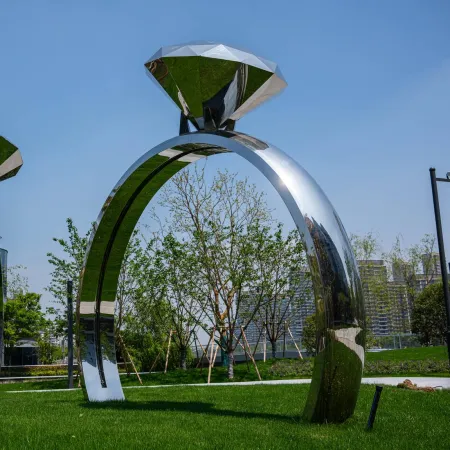
Sculpture design for landscape architecture is at its best when the landscape completes the sculpture over time. The planting chosen to frame a form will grow into that role, the water that mirrors a work will animate it with every breeze, and the seasons will repaint the whole composition so the sculpture offers something new in spring, summer, autumn and winter. The designer must therefore think in landscape time, imagining the work at five years, at twenty years, when the trees have grown and the place has aged.
That long view also governs the material choices. A mirror surface that must live among trees, a painted finish that must hold its colour in an open meadow, a weathering steel that must find its place in a designed planting, all demand decisions made with the landscape's future in mind. The integrated design team makes those decisions together, so the sculpture and the planting age as partners rather than as competitors.
What the Sculptor Brings to the Landscape Team
- A focal identity: the sculptor creates the memorable moment that gives the whole landscape a name and a destination.
- Scale judgment: the artist's eye for proportion helps calibrate the size of spaces, plantings and openings against the human body.
- Material craft: the sculptor's knowledge of metal, stone and finishes adds a durable, expressive vocabulary to the palette.
- Story and meaning: the artist helps the landscape carry narrative and identity, turning a designed place into a place people remember.
- Public imagination: the sculptor designs the moments people will photograph, share and return to, making the landscape magnetic.
These contributions are why landscape architects who have worked with serious sculptors tend to bring them in early on every project after.
Collaboration in Practice
The most productive collaborations have a clear shape. The sculptor and landscape architect share the early concept conversations, each responding to the other's moves; the sculptor presents directions that the landscape team tests against planting, drainage and maintenance reality; and the integrated design is then documented with both disciplines' details resolved. See how sculpture and landscape have been composed together across our delivered projects in our project gallery, review the services a landscape team can draw on through the services overview, and study Peach Blossom, where a 20.8-metre gateway was composed with the planting and approach of its site.
The collaboration should also plan for the long term. The maintenance of the sculpture, the care of the planting around it and the way both will be renewed over the years should be agreed and documented, so the integrated design keeps its quality as it matures. When the two disciplines plan that future together, the landscape and the sculpture continue to serve each other long after the designers have moved to other projects.
What Sculpture Brings to Landscape Architecture
A destination that gives the landscape its identity
Scale and proportion calibrated to the human body
A material voice that ages with the planting
Moments people photograph, share and return to
Bringing the Sculptor Into Your Landscape Project
Landscape architects and their clients benefit from bringing the sculptor into the project at the concept stage rather than the tender stage. The ideal moment is when the masterplan is still flexible, when the destinations, the sightlines and the planting structure are being decided, because that is when sculpture design for landscape architecture can shape the whole rather than fill a corner. The landscape architect should invite the sculptor to the early workshops, share the full design context and treat the art as an integrated layer of the place.
The client's role is to make that collaboration possible, in the programme, the budget and the expectations. When sculpture is budgeted as part of the landscape from the start, the art is not an optional extra competing for leftover funds; it is a designed element of the place, protected and planned like the planting and the paving. Projects structured that way produce the landscapes people remember, where the sculpture and the land are one work, and that unity is the true promise of sculpture design for landscape architecture.
Documenting the Integrated Design for the Client's Future
An integrated sculpture and landscape design must be documented so that its full intention survives into construction and beyond, and that documentation is a joint responsibility of the sculptor and the landscape architect. The drawings should show the sculpture's position, its foundation and its relationship to the planting, the specifications should name the materials and finishes with the reasons behind them, and the maintenance plan should cover both the sculpture and the planting that frames it, so the people who build and care for the place understand the design as one continuous idea.
That shared documentation also protects the client when teams change. Construction managers, maintenance crews and future landscape consultants will all meet the sculpture through its documents, and clear records let them care for the integrated design without the original designers present. We deliver our part of that documentation with every landscape collaboration, so the sculpture's intent, its technical requirements and its relationship to the planting are preserved for the life of the place. When the documentation is as integrated as the design, the sculpture and the landscape continue to work together long after the design team has moved on.
Frequently Asked Questions About Sculpture Design for Landscape Architecture
What is sculpture design for landscape architecture?
A collaboration in which sculpture is designed as an integrated element of a landscape project, sharing decisions on planting, paths, water and lighting.
When should the sculptor join the landscape team?
At the concept stage, while the masterplan is still flexible, so the art can shape destinations and sightlines rather than fill leftover space.
How do sculpture and planting work together over time?
The planting frames and reveals the sculpture as it matures, while the sculpture gives the planting a focal identity, if both are designed together.
What should a landscape architect ask a sculptor?
Ask for delivered works in landscape settings, for how the studio coordinates with planting and water, and for materials that age well outdoors.
How is sculpture budgeted in a landscape project?
Best as a designed element from the start, with its own budget line, so the art is protected and planned like the planting and the paving.
Sculpture design for landscape architecture turns a designed landscape into a memorable place, when the sculptor joins the team early enough to shape the whole. Choose a studio with landscape experience, material craft and a collaborative instinct, and your project will be the one people remember.
If you are designing a landscape that deserves a work of art at its heart, invite us into the early conversations, and we will show you what sculpture design for landscape architecture can add to the whole.