How Memorial Park Sculpture Turns a Public Garden Into a Place of Remembrance
A memorial park sculpture enters a landscape that is already alive, and it must learn to share that life, standing among trees, children, walkers and the ordinary joy of a public garden while still holding the weight of remembrance. The park is where grief and daily life meet most gently, and a memorial placed there must be intimate enough for a family to visit alone and strong enough to hold a civic ceremony, all within the rhythm of a place that belongs to everyone. After more than two decades placing commemorative works in parks across twenty-three countries, I have learned that the best park memorials do not interrupt the garden, they deepen it.
This guide explains how memorial sculpture is designed to belong to a park, and how parks and memory can serve each other.
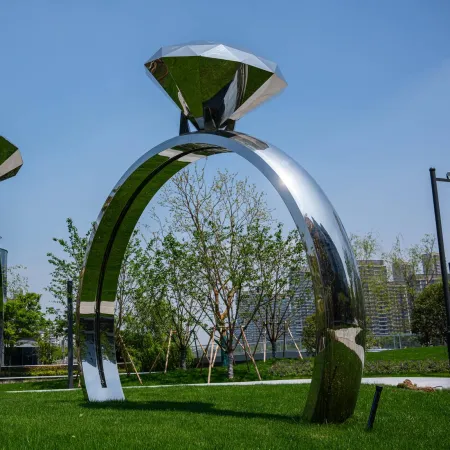
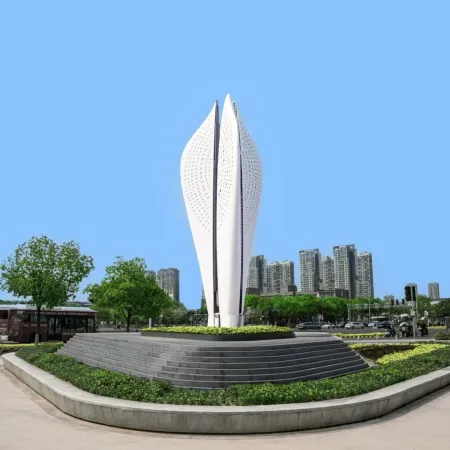
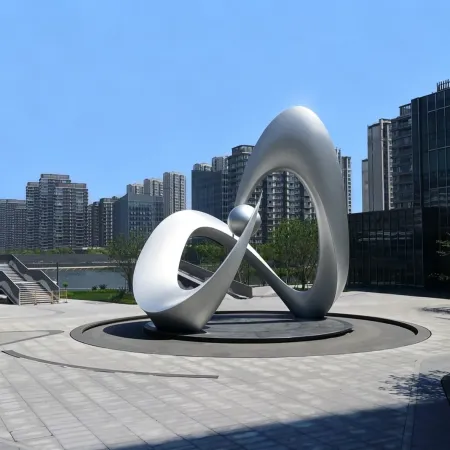
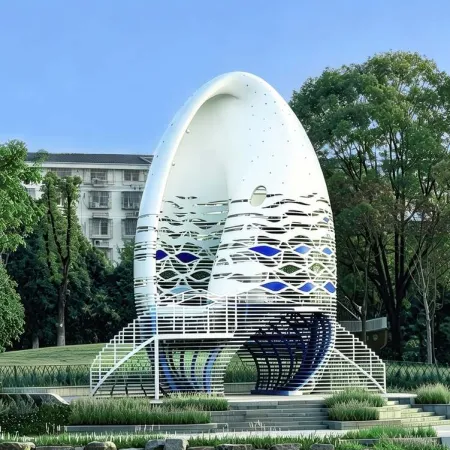
Our park sculpture services create commemorative works that live with their landscape, the Homing Nesting work shows memory expressed through nature, and the Butterfly Dance demonstrates how sculpture and planting can share a space.
Why Parks Have Become Homes for Memory
Parks have become the natural home of modern remembrance because they offer what grief needs and what city streets cannot: space, silence and the company of living things. A memorial park sculpture set among trees gives the visitor a reason to slow down, to sit, to return with the seasons, and the natural cycle of the garden echoes the cycle of life and memory that the memorial honours. Families who lose someone often find that a bench in a garden or a stone beneath a tree holds more comfort than a monument in a crowded square.
The park setting also changes the language of the memorial. In a park, a sculpture can be symbolic rather than heroic, contemplative rather than commanding, because the landscape itself provides the dignity that a civic plaza must draw from the monument. A weathered steel form among the trees, a bronze figure beside a pond, a carved stone at the turning of a path, these works belong to the park's own grammar, and their power grows as the planting matures around them.
Designing With the Trees, Paths and Seasons
A memorial park sculpture must be designed in dialogue with the landscape that surrounds it, and that dialogue begins with the site itself. The position of the work should respect the mature trees and their root systems, the lines of the paths and the views that the park offers; the scale should relate to the clearings and canopy rather than to the buildings of a city; and the materials should harmonise with the natural palette of bark, stone, water and sky. A park memorial that ignores its landscape will always feel like an intruder.
The design must also think in seasons, because a park changes more dramatically than any other setting. The memorial that stands in dappled summer shade will face bare winter branches and low sun; the sculpture that is open to the sky will carry snow; the one beneath a deciduous tree will be showered with leaves. We design park memorials with the full cycle in view, choosing materials and forms that grow more beautiful as the landscape moves through its year.
| Park Setting | Memorial Character | Design Priority |
|---|---|---|
| Quiet woodland corner | Intimate and contemplative | Private space for families |
| Open lawn | Visible from the approaches | Strong readable silhouette |
| Waterfront edge | Reflective and serene | Water-safe materials |
| Garden of remembrance | Dedicated commemorative area | Sequence of places and works |
Materials That Age Gracefully With the Garden
The materials of a memorial park sculpture should age as the park ages, growing into the landscape rather than standing apart from it. Weathering steel develops a rust-brown surface that harmonises with bark and autumn leaves, and its elegiac tone speaks directly of time and memory. Stone, especially granite and other frost-resistant varieties, carries a gravity that suits contemplative memorials and will outlive the trees around it. Bronze gains a natural patina in the garden air, and painted or stainless works bring a brighter contemporary note where the design calls for it.
Park conditions are specific, and the specification must respect them. Shade keeps surfaces damp for longer, leaf litter holds moisture against the base, sprinkler systems spray finishes that were not designed for water, and frost comes earlier in open clearings. We specify park memorials with these realities in view, choosing grades, finishes and drainage details that will keep the work sound in the particular microclimate of its own corner of the garden.
Safety and the Public Life of the Park
A memorial park sculpture shares its space with children, runners, maintenance vehicles and the full public life of the park, and it must be designed for that company. Edges should be safe for play, surfaces should tolerate the touch of thousands of hands, and the work must not create hiding places or climbing hazards that park managers will regret. The memorial that is loved by the community is the one that has proven itself a good neighbour to everyone in the park.
The relationship between memorial and community is also a design question. A park memorial that welcomes the daily walker as well as the grieving family becomes part of the park's ordinary life, and that ordinariness is not a loss of dignity but a form of healing, because memory that lives beside daily joy is memory that has found its place in the world. We design park memorials to be approached, touched and lived with, so that remembrance is woven into the happiness of the garden rather than walled off from it.
Commissioning a Park Memorial With the Park Authority
Commissioning a memorial park sculpture means working with the park authority, the landscape architects and the community who will share the space, and the process should begin with their consent and guidance. Parks have policies about what may be placed where, about trees that must be protected and about the long-term care of donated works, and a studio that understands parks will navigate these requirements with respect rather than fighting them. The result is a memorial that the park authority is proud to maintain.
Since 2003 our studio has designed and installed memorial park sculpture across twenty-three countries, working with families, communities and park authorities to create works that belong to their landscapes. We bring the full chain, design, fabrication, foundation and installation, under one roof, and we would be honoured to help you find the corner of your park where a life or a loss can be remembered with the dignity the garden itself provides.
- Let the park speak: the landscape shapes the memorial's language
- Design through the seasons: the garden changes more than any city
- Age with the garden: choose materials that grow into the landscape
- Be a good neighbour: safety and daily life belong to the design
A Park Memorial Deepens the Garden
A quiet place for families to visit and return to
A work that belongs to the trees and the seasons
Materials that age gracefully with the landscape
Memory woven into the daily life of the park
Commemorative Benches, Trees and Smaller Works
Not every park memorial is a sculpture, and a complete approach to memorial park sculpture often includes the smaller gestures that give a park its texture of remembrance. A commemorative bench placed at a favourite view, a tree planted in a name and marked with a stone, a plaque set in a path, a small bronze at the turning of a walk, these modest works can hold a memory as truly as a monument, and they are often the form that families and park authorities find easiest to sustain. Their power lies in their ordinariness, in the way they weave remembrance into the daily life of the garden.
The smaller works deserve the same design care as the large. A bench must be comfortable and well placed, its inscription legible and its materials suited to years outdoors; a memorial tree must be chosen for the site and given a marker that will not harm it; and every element must be agreed with the park authority so that it is maintained with the rest of the garden. We help families and communities compose these smaller memorials, because a park that remembers in many quiet ways becomes a place where memory itself feels at home.
Frequently Asked Questions About Memorial Park Sculpture
Why place a memorial in a park rather than a square?
Parks offer space, silence and the company of living things, which grief needs and busy squares cannot provide. The garden gives memory a contemplative home that families can visit alone.
What materials suit a memorial in a garden setting?
Weathering steel harmonises with bark and leaves, frost-resistant stone carries contemplative gravity and bronze patinas naturally in garden air. The right choice follows the site and the design.
How do we gain approval from the park authority?
Begin early with the authority and its landscape team, respect park policies on placement, tree protection and long-term care, and design with a studio that understands how parks make decisions.
Can a park memorial also serve daily visitors, not only mourners?
Yes, and it should. A work that welcomes walkers and children becomes part of the park's ordinary life, and memory living beside daily joy has found its place in the world.
How is a donated park memorial maintained long term?
The commissioning family or group typically provides an endowment or agrees a care plan with the park authority. Materials and finishes should be chosen to keep maintenance simple and affordable.
A memorial park sculpture gives remembrance a place among living things, and when it is designed with the garden, the seasons and the community, it deepens the park instead of interrupting it. Choose the corner, the material and the studio with care, and your memorial will grow into the landscape as naturally as the trees around it.
Let our studio help you create the memorial park sculpture that will belong to your garden for generations.